Fire Sprinkler Testing for Office Buildings: NFPA 25 Guide
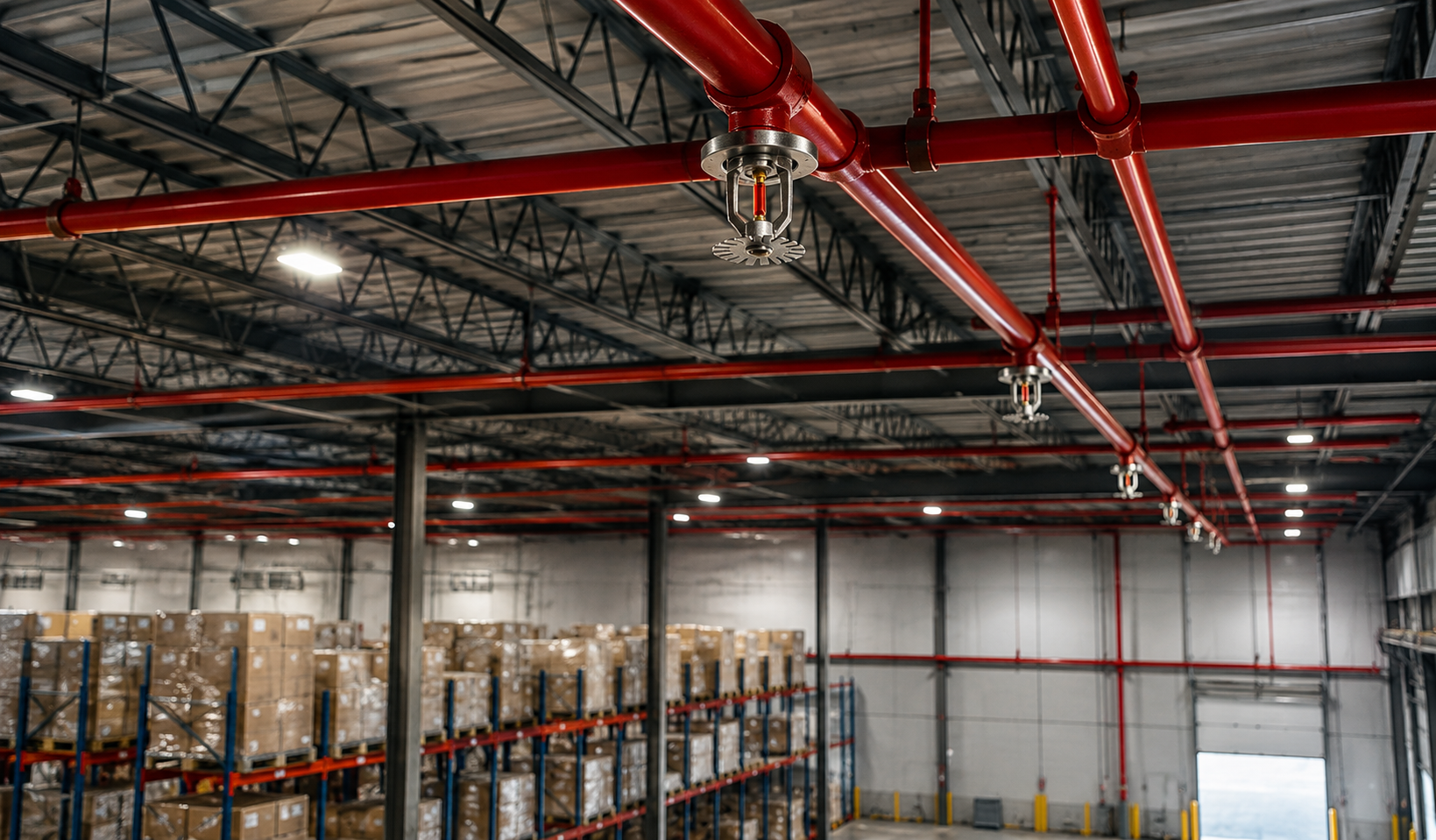
As a Southern California property manager, you have a million things on your plate. Tenant requests, lease renewals, maintenance calls… the list is endless. The last thing you want to worry about is the complex web of fire safety regulations. You see the network of pipes and sprinkler heads on the ceiling of your office building and assume you’re protected. But are you sure?
What if a single, corroded sprinkler head is all that stands between a minor incident and a multi-million dollar disaster? What if a closed valve, forgotten during a minor repair, renders your entire system useless? This isn’t scaremongering; it’s the reality of fire safety. A sprinkler system is your building’s first line of defense, but only if it works.
This guide is here to cut through the noise. We’re going to break down exactly what
NFPA 25—the standard for fire sprinkler testing—means for your office building. We’ll give you a clear, actionable roadmap to ensure you’re not just compliant, but truly protected.
Why Sprinkler Testing is Non-Negotiable for Office Buildings
Office buildings aren't like other properties. They present a unique set of fire safety challenges:
- High-Value Assets: Your tenants rely on you to protect their servers, computers, and critical documents. A single sprinkler discharge can cause hundreds of thousands of dollars in water damage, leading to business interruption and potential legal liability.
- Tenant Density: With hundreds or even thousands of people working in your building, a swift and effective fire response is critical to life safety.
- Complex Systems: High-rises and large office parks often have intricate systems with fire pumps, standpipes, and multiple zones that require expert knowledge to test correctly.
- Business Continuity: A fire, or even a system malfunction, can shut down your tenants' operations for weeks, leading to lost revenue and broken leases. Proactive testing is an investment in uptime.
The Law in California: It’s Not Optional
Let’s be crystal clear: In California, if your commercial office building has a fire sprinkler system, you are required by law to have it professionally tested.
The California Fire Code directly adopts
NFPA 25, the
Standard for the Inspection, Testing, and Maintenance of Water-Based Fire Protection Systems. This isn't a suggestion; it's a legal mandate enforced by your local fire marshal, whether you're in Los Angeles, Orange County, or San Diego.
Bottom Line: Regular, documented testing by a certified professional isn't just a good idea—it's the law. Failure to comply can result in hefty fines, cancelled insurance, and even personal liability in the event of a fire.
Your NFPA 25 Testing Schedule: A Simple Breakdown
NFPA 25 can seem intimidating, but it’s really just a schedule. Think of it like the maintenance schedule for your car—a series of checks to make sure everything works when you need it most. Here’s what your fire sprinkler system needs:
| Frequency | What’s Required | Who Can Do It? |
|---|---|---|
| Weekly/Monthly | Visual Inspections: Checking gauges, control valves, and looking for physical damage or leaks. | Can often be done by trained on-site staff. |
| Quarterly | Physical Tests: Testing water flow alarms and alarm devices to ensure they send a signal. | Requires a certified professional. |
| Annually | Full System Testing: A top-to-bottom physical test of the entire system, including main drain tests and valve operation. | Must be done by a licensed fire protection company. |
| Every 5 Years | Internal Inspection: An internal obstruction investigation of the sprinkler piping to check for corrosion or blockages. | Must be done by a licensed fire protection company. |
| 10+ Years | Sprinkler Head Testing/Replacement: Depending on the type, sprinkler heads must be tested or replaced at set intervals. | Must be done by a licensed fire protection company. |
Feeling overwhelmed by that schedule? You’re not alone. This is precisely why savvy property managers partner with a professional fire protection company.
Ready to simplify your fire sprinkler compliance? Let the experts at Fire Testing Solutions take care of it. Call us today at 866-757-8378 for a free, no-obligation quote for your office building. Also you can book a call.
Frequently Asked Questions (FAQs)
1. How much does fire sprinkler testing cost for an office building?
Costs vary based on the size and complexity of your system. Annual testing typically represents less than 1% of your building's total operating budget, while a 5-year internal inspection will cost approximately 2-3 times more than an annual test. However, the cost of non-compliance—including fines, increased insurance premiums, and potential liability—can be 10-20 times higher than the cost of regular testing.
2. What happens if my building fails a sprinkler test?
If a deficiency is found, it will be noted on the inspection report. Minor issues may be repaired on the spot. Major issues will require a formal proposal for repair. You are required to get the system back into compliance, and the fire marshal may follow up to ensure repairs are made.
3. Can my own maintenance staff perform the tests?
Your staff can (and should) be trained to perform the weekly and monthly visual inspections. However, all quarterly, annual, and 5-year physical tests must be performed by a licensed and certified fire protection professional per California law.
4. What's the difference between an inspection and a test?
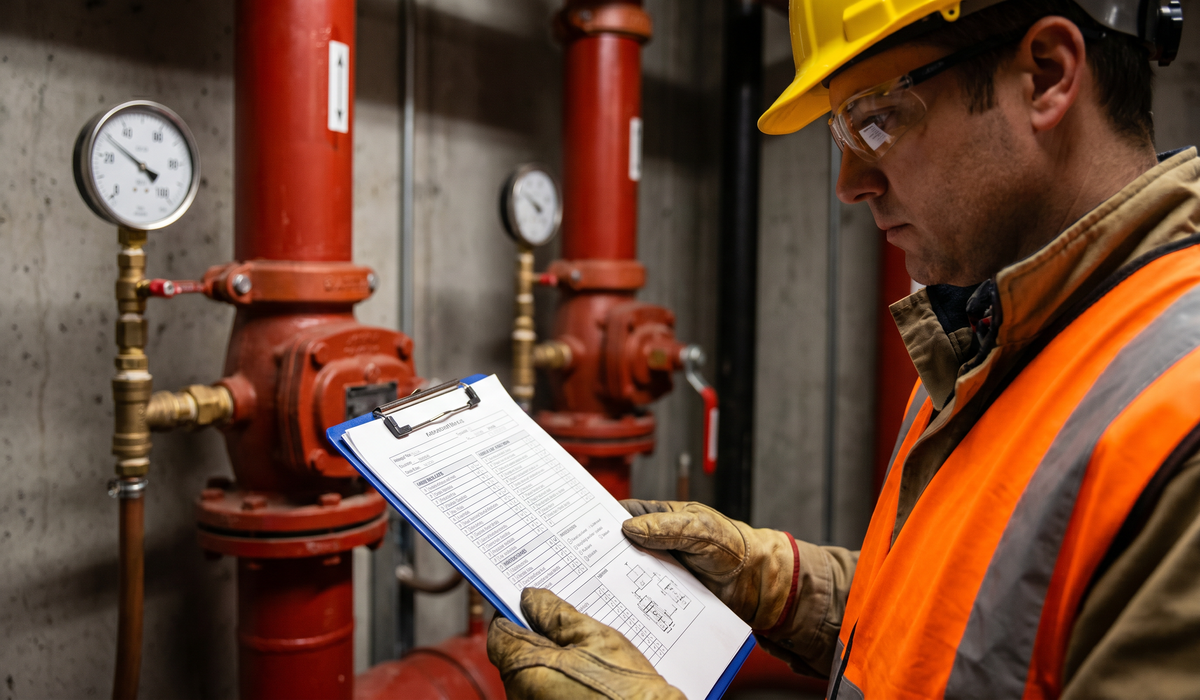
An inspection is a visual check to ensure everything looks correct (e.g., checking that a valve is open). A test is a physical action to ensure a component works (e.g., actually flowing water to trigger an alarm). NFPA 25 requires both.
Your Partner in Compliance and Safety
Managing a Southern California office building is a demanding job. You’re responsible for the safety of hundreds of tenants and millions of dollars in assets. Fire sprinkler compliance is one area where you simply can’t afford to cut corners.
By understanding the requirements of NFPA 25 and partnering with a trusted, certified professional, you can ensure your building’s most critical life safety system is ready to perform when it matters most. It’s an investment in safety, compliance, and peace of mind.
Don’t wait for a failed inspection or a notice from the fire marshal. Take control of your fire safety today.
Ready to Ensure Your Office Building is Compliant?
Let Fire Testing Solutions be your expert partner. Our certified technicians have over 40 years of combined experience helping Southern California property managers stay safe and compliant.
Contact us today for a free, no-obligation compliance evaluation:
- Book a Call:
https://www.firetestingsolutions.com/contact
- Phone: 866-757-8378
- Email: service@firetestingsolutions.com
- Visit Us: 700 W. First St, Suite 10, Tustin, CA 92780
References
- NFPA 25: Standard for the Inspection, Testing, and Maintenance of Water-Based Fire Protection Systems. https://www.nfpa.org/codes-and-standards/all-codes-and-standards/list-of-codes-and-standards/detail?code=25
- California Fire Code: https://osfm.fire.ca.gov/divisions/code-development-and-analysis/california-fire-code/