NFPA 72 Fire Alarm Updates: What Southern California Property Managers Must Know
This article dives deep into the significant changes to NFPA 72, the National Fire Alarm and Signaling Code, as part of the 2026 California Fire Code updates. For property managers in Southern California, understanding these updates is not just about compliance—it’s about ensuring the safety of your tenants and protecting your investment. The 2022 edition of NFPA 72, adopted by California on January 1, 2023, introduces critical new requirements for cybersecurity, remote access, and system components that directly impact how you manage your building’s life safety systems.
Navigating these changes can be complex, but you don’t have to do it alone. This guide will break down the most important NFPA 72 updates in simple terms, explain what they mean for your properties, and show you how a proactive compliance partner can make the entire process effortless.
The 5 Most Important NFPA 72 Updates for Property Managers
The 2022 edition of NFPA 72 brings several major changes. Here are the top five you need to be aware of.
1. Cybersecurity is No Longer Optional (Chapter 11)
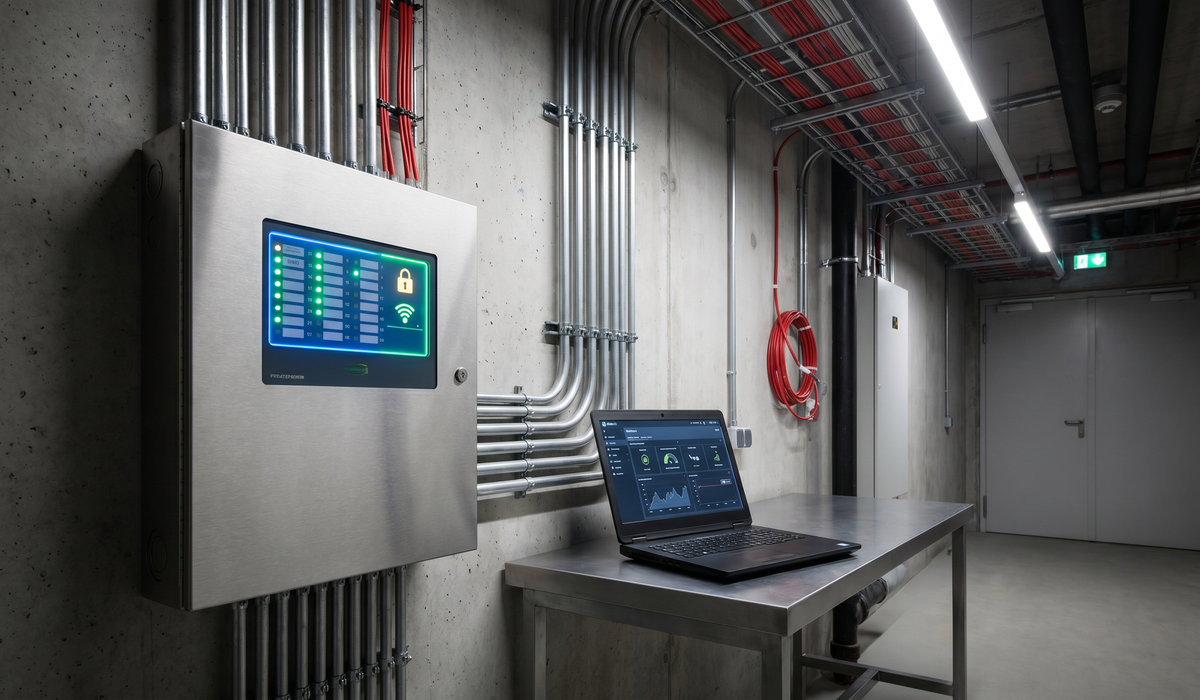
In today’s connected world, fire alarm systems are often part of a building’s network, making them vulnerable to cyber threats. The new Chapter 11 of NFPA 72 formally addresses this risk.
While the 2022 edition recommends cybersecurity protocols, the upcoming 2025 edition will make many of these recommendations mandatory. This means that if your fire alarm system is connected to a network, you must have documented cybersecurity measures in place.
Key Takeaway: You are now responsible for the cybersecurity of your fire alarm system. This includes protecting it from unauthorized access and ensuring the integrity of the system’s software and data.
2. Strict Rules for Remote Access (Chapter 23)
The ability to remotely access fire alarm systems for testing and maintenance is a huge convenience, but it also introduces risks. The new Chapter 23 provides strict guidelines for remote access to ensure safety and security.
| Remote Access Requirement | Description |
|---|---|
| Manual Shut-Off | You must have a physical means to disconnect the remote session at any time. |
| 1-Hour Inactivity Timeout | The remote connection must automatically terminate after one hour of user inactivity. |
| On-Site Qualified Person | A qualified individual must be on-site to silence and reset the system during remote work. |
| Testing Still Required | All software changes made remotely still require on-site testing per Chapter 14. |
3. Stricter Battery Requirements
Backup batteries are the heart of your fire alarm system during a power outage. The 2022 edition of NFPA 72 implements stricter standards for these critical components.
- UL-Listed Batteries:
As of January 1, 2024, all rechargeable batteries used as a secondary power source must be listed by a nationally recognized testing laboratory (like UL).
- Increased Correction Factor: The required battery calculation correction factor has been increased from 20% to 25%, providing a larger safety margin for backup capacity.
4. Owner Access to System Software
In the past, some fire alarm contractors would lock building owners out of their own systems, making it difficult to switch service providers. NFPA 72 2022 puts an end to this practice.
The Code now requires that the building owner or their designated representative be given full access to all software and security credentials for their fire alarm system.
This empowers you to choose the best service provider for your needs.
5. "Observations" vs. "Deficiencies"
NFPA 72 now introduces the term "observation" to describe a suggested improvement that is not yet a code violation or deficiency. This allows inspectors to provide proactive recommendations to improve safety and prevent future issues without triggering a formal deficiency notice. This is a valuable tool for forward-thinking property managers who want to stay ahead of compliance.
How Fire Testing Solutions Simplifies NFPA 72 Compliance
Understanding these new requirements is one thing; implementing them is another. This is where a partnership with Fire Testing Solutions becomes invaluable. We don’t just test your systems; we manage your compliance, making the entire process effortless for you.
- Cybersecurity & Remote Access: Our technicians are trained on the new cybersecurity and remote access protocols. We work with your IT department to ensure your networked systems are secure and that all remote testing is conducted in full compliance with Chapter 23, including providing qualified on-site personnel.
- Battery Management:
We verify that all your backup batteries are UL-listed and that your systems meet the new 25% correction factor. During annual inspections, we check the “best by” dates to ensure batteries have at least 60% of their shelf life remaining, preventing unexpected failures.
- Documentation & Access: We believe in transparency. Upon completion of our services, we provide you with a comprehensive digital report and all access credentials to your system. You own your data and your system, and we ensure you have the documentation to prove it.
- Proactive Maintenance:
Our detailed inspection reports include not just deficiencies but also "observations," giving you a clear roadmap for future maintenance and capital planning. This proactive approach helps you prevent violations before they happen, saving you time, money, and stress.
California Law and Multifamily Properties
For property managers of multifamily residential buildings in Southern California, compliance with NFPA 72 is not just a best practice—it’s the law. California Health & Safety Code Section 13146.2 mandates annual testing and inspection of fire alarm systems in all apartment buildings, condominiums, and other multifamily dwellings. [3] FTS ensures your properties meet these state-mandated requirements, providing the necessary documentation for your records and for any fire marshal inquiries.
Conclusion: Turn Compliance into a Competitive Advantage
The 2022 updates to NFPA 72 represent a significant step forward in fire alarm safety, but they also place new responsibilities on property managers. By understanding these changes and partnering with a proactive compliance expert like Fire Testing Solutions, you can turn these complex requirements into a competitive advantage. A well-maintained, fully compliant fire alarm system not only protects your tenants and your property but also enhances your reputation as a responsible and professional property manager.
Don’t wait for a fire marshal inspection to find out if your systems are up to code. Contact Fire Testing Solutions today for a comprehensive assessment of your fire alarm systems and a clear path to effortless NFPA 72 compliance.
Take the Next Step
Ready to ensure your properties are compliant with the latest NFPA 72 updates? Our team of experts is here to help.
- Book a Call:
https://www.firetestingsolutions.com/contact
- Phone Number: 866-757-8378
- Email: service@firetestingsolutions.com
- Address: 700 W. First St, Suite 10, Tustin, CA 92780