Is Your Santa Ana Property Ready for the NFPA 25 Five-Year Pipe Inspection? A Clear and Simple Guide
As a property manager in Santa Ana, you juggle a dozen different compliance deadlines. But there’s one that often causes a wave of anxiety: the NFPA 25 five-year internal pipe inspection. It sounds intimidating, expensive, and disruptive. What exactly is it? Is it truly mandatory? And what happens if the inspectors find something wrong?
Relax. This guide will walk you through everything you need to know about this critical fire safety requirement. We’ll break down the process in simple terms, explain why it’s required for your Santa Ana property, and show you how to navigate it without the headache. Because when it comes to fire safety, being prepared is your best defense.
This article is a spoke in our comprehensive hub, "Fire Safety Regulations & Compliance Requirements for Santa Ana Commercial Properties." We recommend reading it for a complete overview of your obligations.
What is the NFPA 25 Five-Year Internal Pipe Inspection?
First, let's clear up a common misconception. While many call it an "inspection," the official term in NFPA 25 is an "internal assessment." This isn't just semantics; it highlights the true purpose of the requirement. A simple inspection just looks for the presence of foreign material. An assessment, on the other hand, determines if that material is significant enough to obstruct water flow in an emergency.
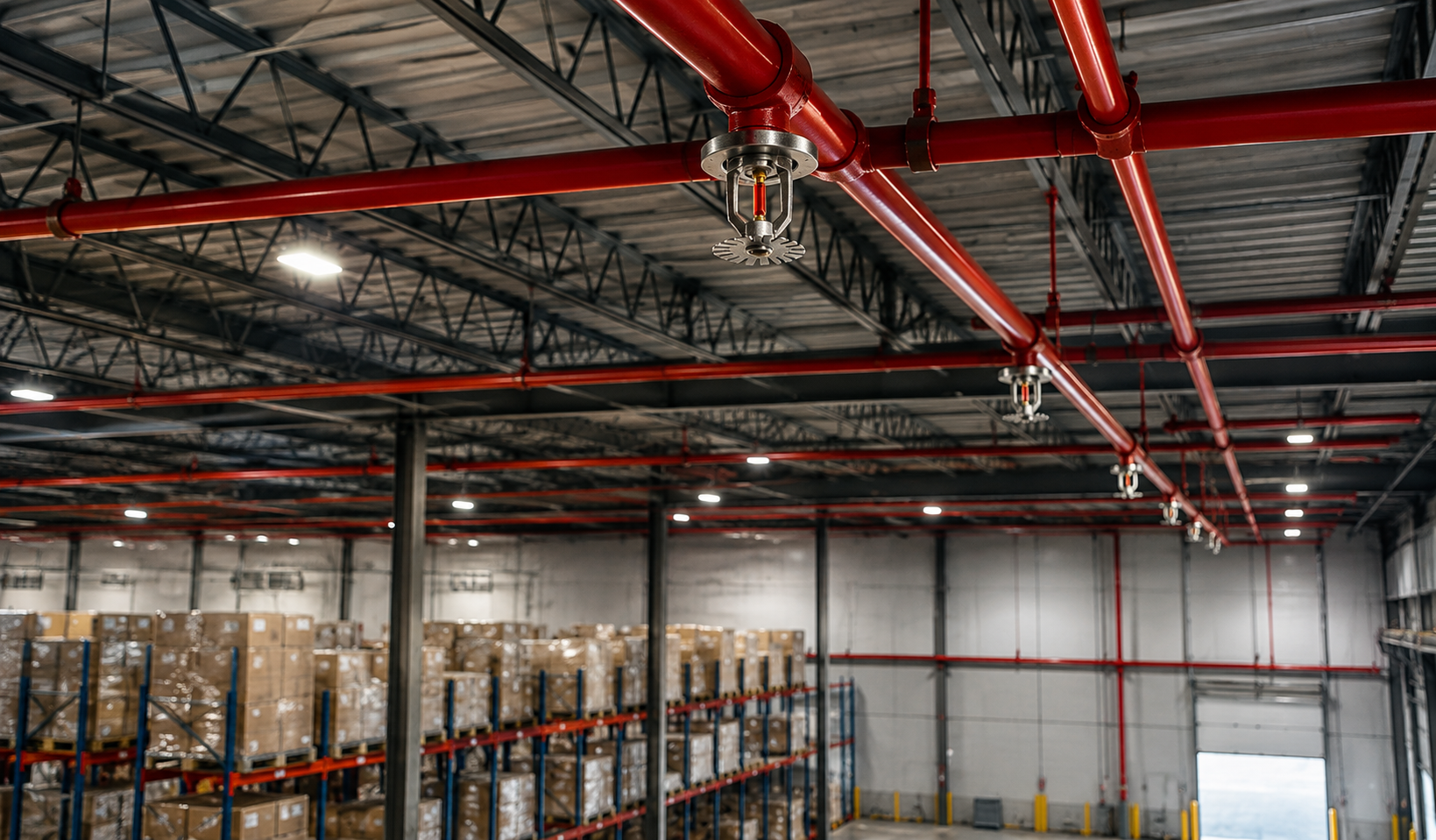
Think of it like a doctor's check-up for your fire sprinkler system's circulatory system. Every five years, a certified technician must examine the inside of your sprinkler pipes to check for corrosion, slime, debris, or any other blockages that could prevent the system from working when you need it most.
This requirement has been part of NFPA 25 since its inception in 1992, so it's not a new rule. However, with increased enforcement in jurisdictions like Santa Ana, it has become a critical compliance item for property managers.
Why is this Mandatory for Santa Ana Properties?
Santa Ana, like all cities in Orange County, falls under the jurisdiction of the Orange County Fire Authority (OCFA). The city has adopted the 2022 California Fire Code, which incorporates NFPA standards by reference. Furthermore, with Santa Ana Resolution 2022-097, the city has underscored its commitment to enforcing these codes, including all local amendments.
This means that for commercial and multifamily properties in Santa Ana, compliance with NFPA 25 is not optional—it's the law. The five-year internal assessment is a key component of this standard, ensuring the long-term reliability of your fire protection systems.
Special Note for Multifamily Properties
For those managing apartment buildings or other multifamily residential properties, California Health & Safety Code Section 13146.2 adds another layer of oversight. This law mandates annual inspections by the local fire department for all residential buildings with three or more units. These inspections verify compliance with all State Fire Marshal regulations, including the five-year internal pipe assessment required by NFPA 25.
| Property Type | Key Regulation | Inspection Frequency |
|---|---|---|
| Commercial Properties | Santa Ana Resolution 2022-097 | Per NFPA 25 (5 years) |
| Multifamily (3+ units) | CA Health & Safety Code 13146.2 | Annual (verifies NFPA 25) |
The Inspection Process: What to Expect
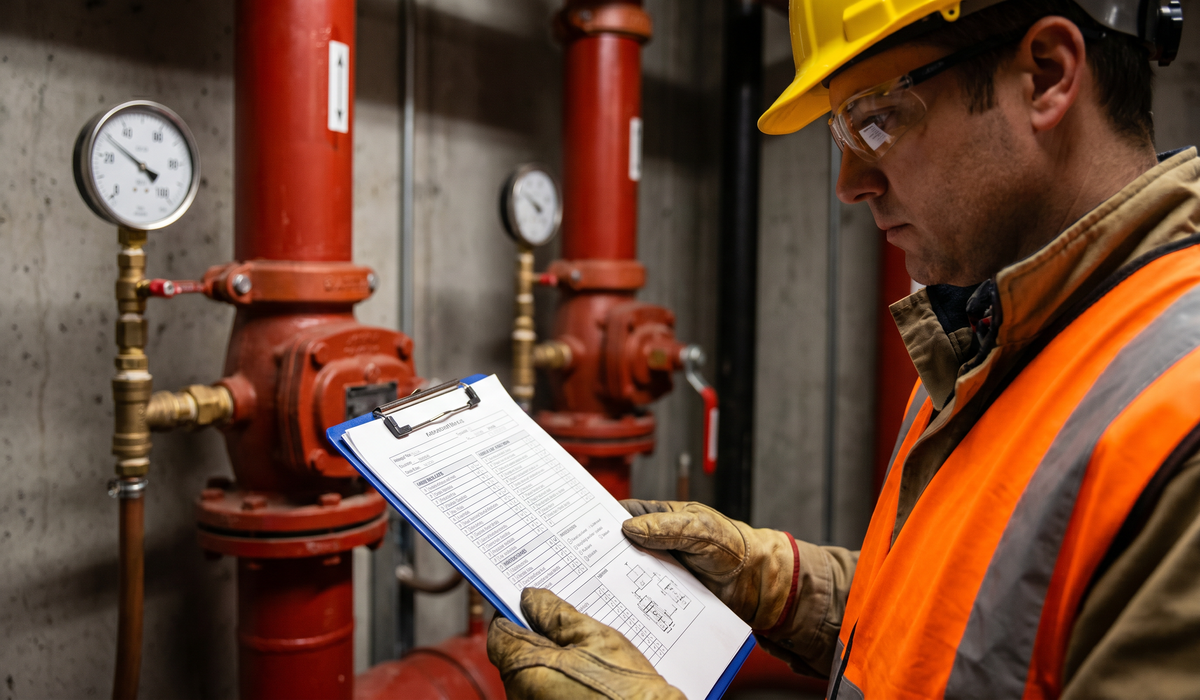
The five-year internal assessment is a systematic process. A certified technician will strategically open the sprinkler system at key points to get a representative view of the pipe's internal condition. They are looking for:
- Foreign Materials:
This can include rust, scale, sediment, or organic matter like biofilm.
- Corrosion: NFPA 25 identifies nine types of corrosion. A common type is Microbiologically Influenced Corrosion (MIC), but often, corrosion is simply caused by trapped water.
- Pipe Wall Thickness: While NFPA doesn't provide a specific pass/fail thickness, the technician will assess if the pipe has lost significant structural integrity.
If the initial assessment points reveal a clean system, the process is documented, and you are compliant for another five years. However, if issues are found, the next step is an obstruction investigation.
Obstruction Investigation: What Happens When Issues are Found?
If the internal assessment reveals foreign material that could obstruct water flow, a more thorough obstruction investigation is required. This is a deeper dive to determine the extent of the problem. The investigation will identify:
- The nature and source of the material.
- How far the obstruction extends through the piping network.
Based on these findings, a course of action is determined. This could range from a targeted pipe flushing to a full or partial pipe replacement. The goal is to restore the system to its original design specifications and ensure it will function reliably in a fire.
How Fire Testing Solutions Simplifies Your Compliance
Navigating the NFPA 25 five-year internal assessment can be complex and stressful. That's where Fire Testing Solutions comes in. We are your trusted partner for fire safety compliance in Santa Ana. Our team of certified technicians understands the nuances of NFPA 25 and the specific requirements of the OCFA.
We handle the entire process for you:
- Initial Consultation:
We review your property's history and system type to develop a tailored assessment plan.
- Professional Assessment: Our technicians perform the internal assessment with minimal disruption to your tenants and operations.
- Clear Reporting: We provide a detailed report with photos and a clear explanation of our findings. You'll know exactly where you stand.
- Action Plan (If Needed): If issues are found, we develop a cost-effective plan to address them, from flushing to pipe replacement.
- Compliance Guarantee: We ensure your system meets all NFPA 25 and local code requirements, giving you peace of mind.
Don't wait for a notice from the fire marshal. Proactively manage your fire safety compliance with a team you can trust.
Ready to schedule your five-year internal pipe inspection?
Book a call:
https://www.firetestingsolutions.com/contact
Phone Number: 866-757-8378
Email: service@firetestingsolutions.com
Frequently Asked Questions (FAQs)
How long does the five-year internal assessment take?
The duration depends on the size and complexity of your sprinkler system. However, for most properties, the assessment can be completed in a single day with minimal disruption.
Will the water need to be shut off?
Yes, the sprinkler system will need to be drained to allow for the internal assessment. We work with you to schedule this at a time that minimizes inconvenience to your tenants.
What is the most common problem you find?
The most common issues are corrosion and the buildup of slime or sediment. These are often caused by the age of the system and the water quality. The good news is that these issues can often be resolved with a professional flushing.
Is this service expensive?
The cost of a five-year internal assessment is a small investment compared to the potential cost of a system failure, property damage, or liability in the event of a fire. We provide a clear, upfront quote with no hidden fees.
Conclusion: Your Partner in Santa Ana Fire Safety
The NFPA 25 five-year internal pipe inspection is a critical component of your property's life safety system. For property managers in Santa Ana, it's a legal requirement that can't be ignored. By understanding the process and partnering with a qualified expert, you can ensure your property is compliant, safe, and prepared.
At Fire Testing Solutions, we are dedicated to making fire safety compliance straightforward and stress-free. From annual tests to five-year assessments, we are your one-stop shop for all your fire protection needs in Santa Ana and beyond.
Don't leave your property's safety to chance. Contact us today for a free compliance assessment.