California School Fire Alarm Requirements: What Every Facilities Manager Must Know
In our comprehensive guide, "Why 25% of Schools Fail Fire Inspections," we revealed a startling statistic: a quarter of schools fail inspections, with expired fire alarm testing being the #1 cause. That article explained why schools fail—vendor contract failures, budget constraints, administrative gaps, and lack of awareness. It also covered the consequences of non-compliance and provided a 5-step prevention plan.
Now, let's take the next step:
understanding the specific California fire alarm requirements for schools. What does the California Fire Code require? What does
NFPA 72 mandate? What gets tested during an annual inspection? And how can you ensure your system meets all compliance standards?
This guide provides the answers. We'll break down the specific requirements of the California Fire Code (CFC), California Education Code, and NFPA 72 for school fire alarm systems. You'll learn what components are required, how often they must be tested, who can perform the testing, and what fire marshals look for during inspections. By the end of this guide, you'll have a clear roadmap to ensure your Southern California school's fire alarm system is compliant, safe, and ready for your next inspection.
The “Why” Behind the Requirements: A Quick Recap
As we covered in our hub article, the consequences of non-compliance are severe. The Wake County, NC case study showed that expired fire alarm testing was the #1 reason for violations. In California, the stakes are just as high. A non-compliant fire alarm system can lead to:
- Citations and Fines:
From the State Fire Marshal or local fire authority.
- Delayed Occupancy: For new construction or modernization projects.
- Increased Liability: In the event of a fire.
- Life Safety Risks: For students, staff, and first responders.
Understanding the specific requirements is the first step to avoiding these outcomes.
California Fire Code (CFC) & Education Code Requirements
California law is very specific about fire alarms in schools. It’s not just a recommendation; it’s a legal mandate.
CFC Section 907.2.29: Public School Automatic Fire Alarm Systems
This section of the California Fire Code requires an automatic fire alarm system to be installed in all new public school buildings. This means the system must be capable of detecting a fire and activating the alarm without human intervention.
California Education Code § 32001: Fire Alarm Signals
This law requires that every public, private, or parochial school be equipped with a fire alarm system. It also mandates that the fire alarm signal be used to initiate fire drills. This is a critical point: the fire alarm system isn’t just for emergencies; it’s a tool for practicing and preparing for them.
NFPA 72: The National Standard for Fire Alarms
NFPA 72 is the national code that provides the most detailed requirements for fire alarm systems. California has adopted NFPA 72, making it legally enforceable in the state. For educational occupancies, NFPA 72 has several key requirements:
Voice Evacuation vs. Horns/Strobes
While traditional horns and strobes are common, NFPA 72 often recommends voice evacuation systems for schools. A voice evacuation system allows for pre-recorded or live voice messages to be broadcast during an emergency. This is particularly effective in schools because it can:
- Reduce Panic:
A calm, clear voice providing instructions is more effective than a loud, blaring horn.
- Provide Specific Instructions: Messages can direct occupants to specific exits or inform them of the nature of the emergency.
- Be Used for Other Announcements: The system can be used for daily announcements, integrating it into the school’s daily operations.
Classroom Notification
NFPA 72 requires that fire alarm signals be both audible and visible in all classrooms. This means:
- Audibility:
The alarm must be loud enough to be heard over ambient noise levels.
- Visibility: Strobes must be installed to alert students or staff who are deaf or hard of hearing.
Integration with Other Life Safety Systems
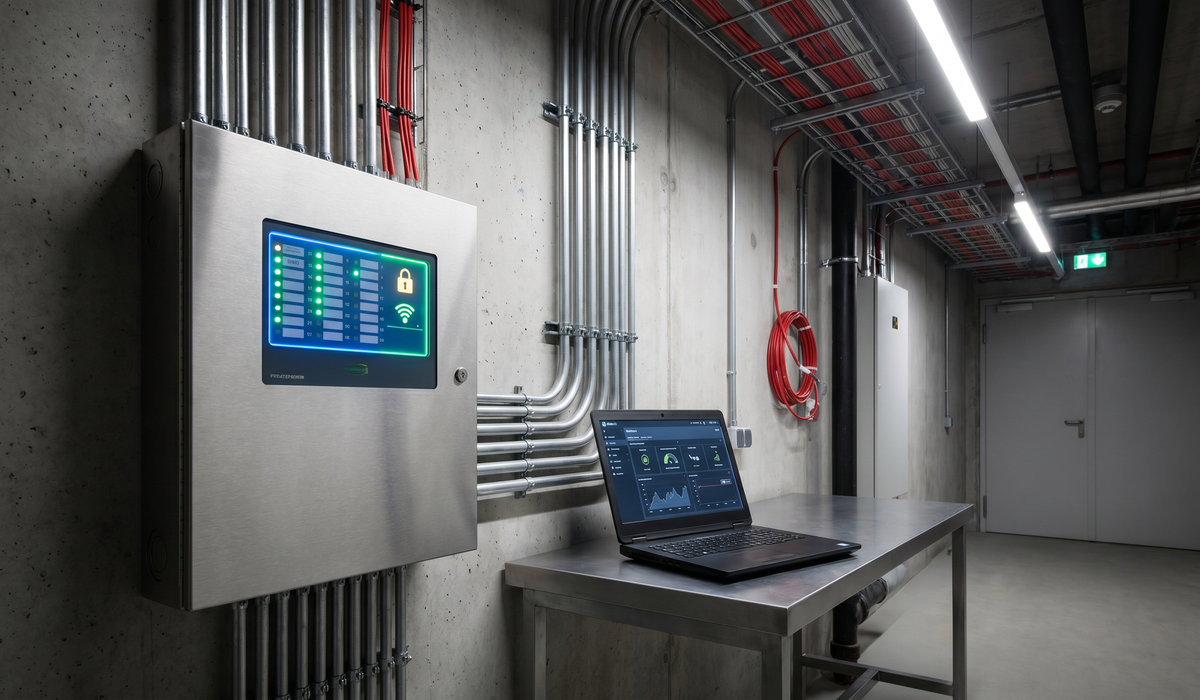
A modern school fire alarm system doesn’t operate in a vacuum. It’s the central nervous system of your building’s life safety ecosystem. Integration with other systems is critical for a coordinated response.
Lockdown & Emergency Communication Systems
In an active shooter or other emergency situation, the fire alarm system can be integrated with lockdown systems. This allows for a single, unified emergency notification system. For example, a lockdown command can trigger a different audible and visual signal than a fire alarm, preventing confusion.
HVAC Systems (Smoke Control)
When a fire is detected, the fire alarm system can automatically shut down the HVAC system. This prevents smoke from being circulated throughout the building, which is a major cause of injury and death in fires.
Access Control Systems
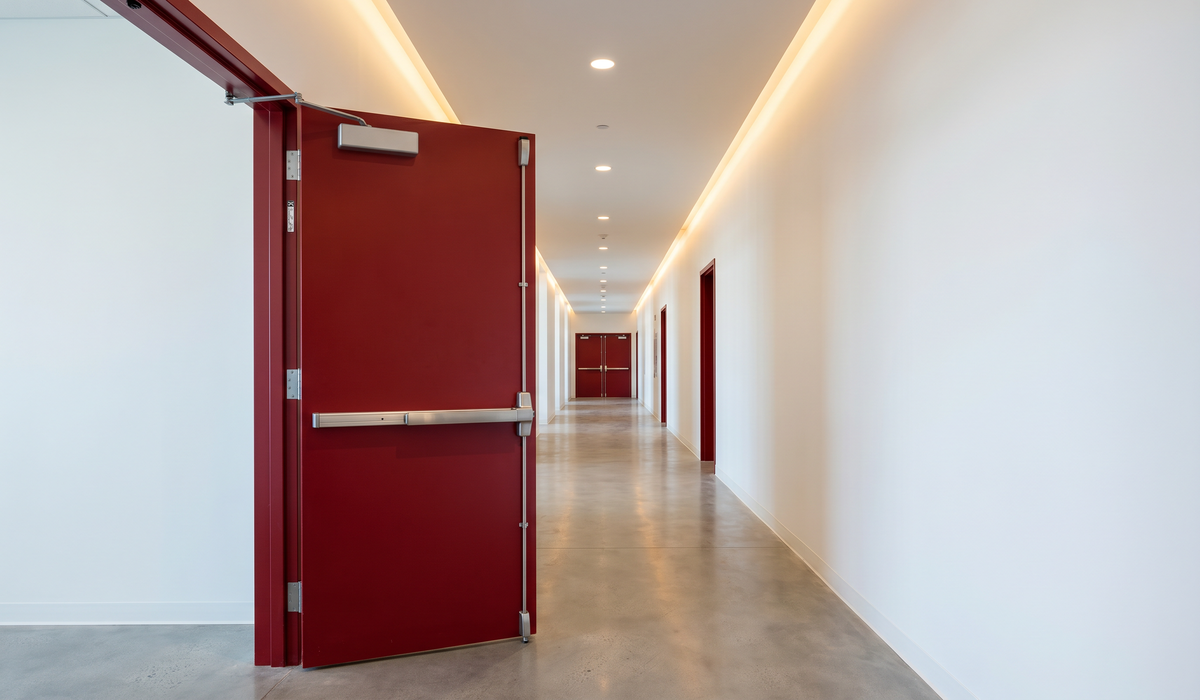
The fire alarm system can automatically unlock doors to allow for easy egress during an emergency. This is a critical integration that ensures security measures don’t impede life safety.
Testing & Inspection Requirements
This is where many schools fall out of compliance. NFPA 72 and the California Fire Code require a strict schedule of testing and inspection.
| Component | Testing Frequency | Who Performs |
|---|---|---|
| Visual Inspection | Monthly | School Staff |
| Functional Test | Annual | Licensed Contractor |
| Sensitivity Testing | Per Manufacturer | Licensed Contractor |
| Battery Backup | Annual | Licensed Contractor |
Annual Functional Test
This is the most comprehensive test and must be performed by a licensed fire alarm contractor with NICET-certified technicians. During this test, every component of the system is tested, including:
- Control Panel: All functions are tested.
- Initiating Devices: Every smoke detector, heat detector, and pull station is activated.
- Notification Devices: Every horn, strobe, and speaker is tested.
- Monitoring Connection: A signal is sent to the monitoring station to verify communication.
- Backup Power: The system is tested on battery backup.
Monthly Visual Inspection
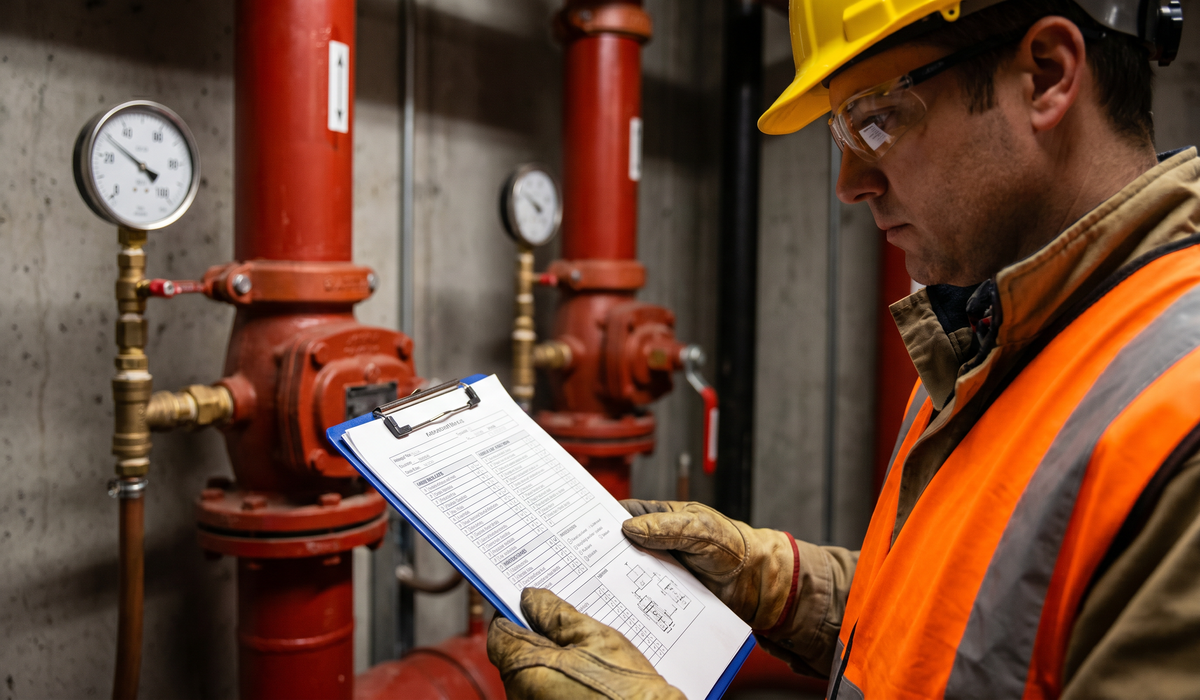
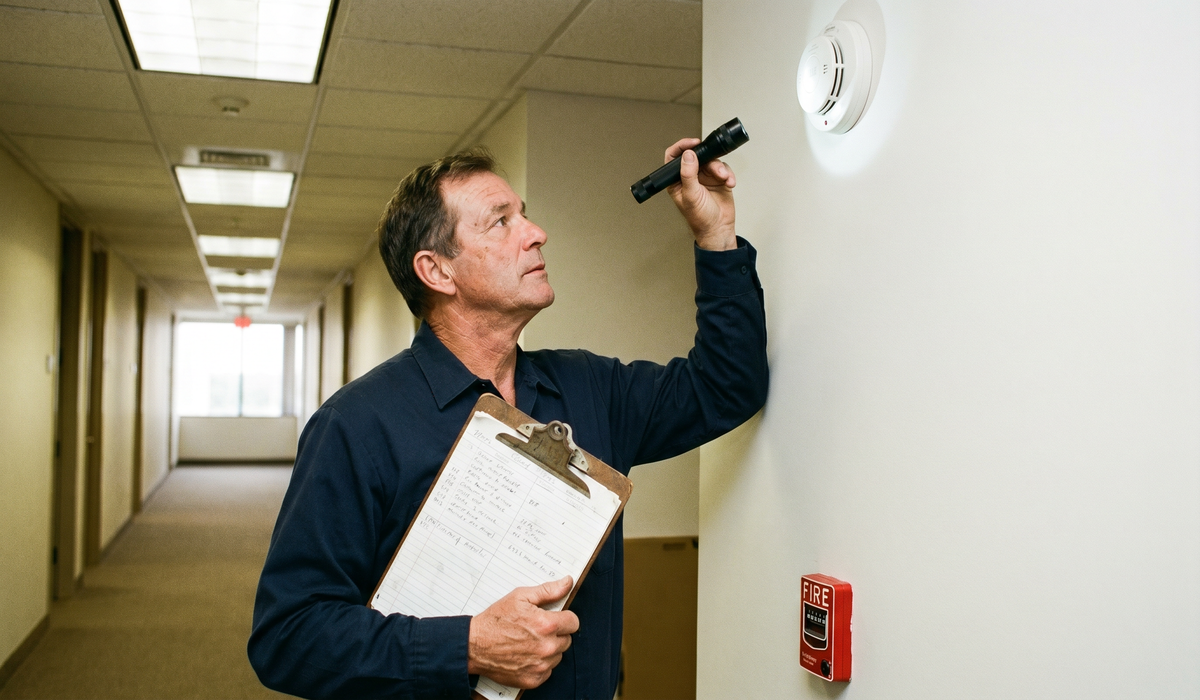
While the annual test must be done by a professional, school staff can and should perform a monthly visual inspection. This simple check can catch problems early and demonstrate a commitment to compliance. Your monthly checklist should include:
- Fire Alarm Control Panel:
Check for any “trouble,” “supervisory,” or “alarm” signals.
- Pull Stations: Ensure they are visible and unobstructed.
- Horns/Strobes: Ensure they are not blocked by decorations, furniture, or equipment.
How Fire Testing Solutions Can Help
Navigating these complex requirements can be overwhelming for busy facilities managers. Fire Testing Solutions specializes in helping Southern California schools stay compliant and safe. Here’s how we can help:
- Comprehensive Testing:
Our NICET-certified technicians perform all required annual testing for your fire alarm, sprinkler, and other life safety systems.
- Detailed Documentation: We provide the detailed compliance documentation that fire marshals require.
- Deficiency Corrections: If we find any issues, we can provide a plan to correct them quickly and efficiently.
- Multi-Year Service Agreements: We can create a multi-year service agreement to ensure your inspections are never missed and to help with budget planning.
With over 40 years of experience serving schools in Orange County, Los Angeles County, Riverside County, and San Bernardino County, we understand the unique challenges you face.
Frequently Asked Questions (FAQs)
1. How often do California schools need fire alarm inspections?
California schools require a full functional inspection and test of their fire alarm systems annually, performed by a licensed contractor. Additionally, school staff should perform a visual inspection of the system monthly.
2. What are the California Fire Code requirements for school fire alarms?
The primary requirements are found in CFC Section 907.2.29, which mandates automatic fire alarm systems in new public schools, and Education Code § 32001, which requires all schools to have a fire alarm system and use it for drills.
3. Who can legally perform fire alarm testing in California schools?
Annual fire alarm testing must be performed by a licensed fire alarm contractor. It is highly recommended that the technicians performing the work are NICET certified, as this is the industry standard for competency.
4. What happens if a school fails a fire alarm inspection?
If a school fails an inspection, the fire marshal will issue a notice of violation with a deadline for correction (typically 30-90 days). Failure to correct the violations can result in fines, repeat inspection fees, and in severe cases, a recommendation to the local education board to restrict occupancy.
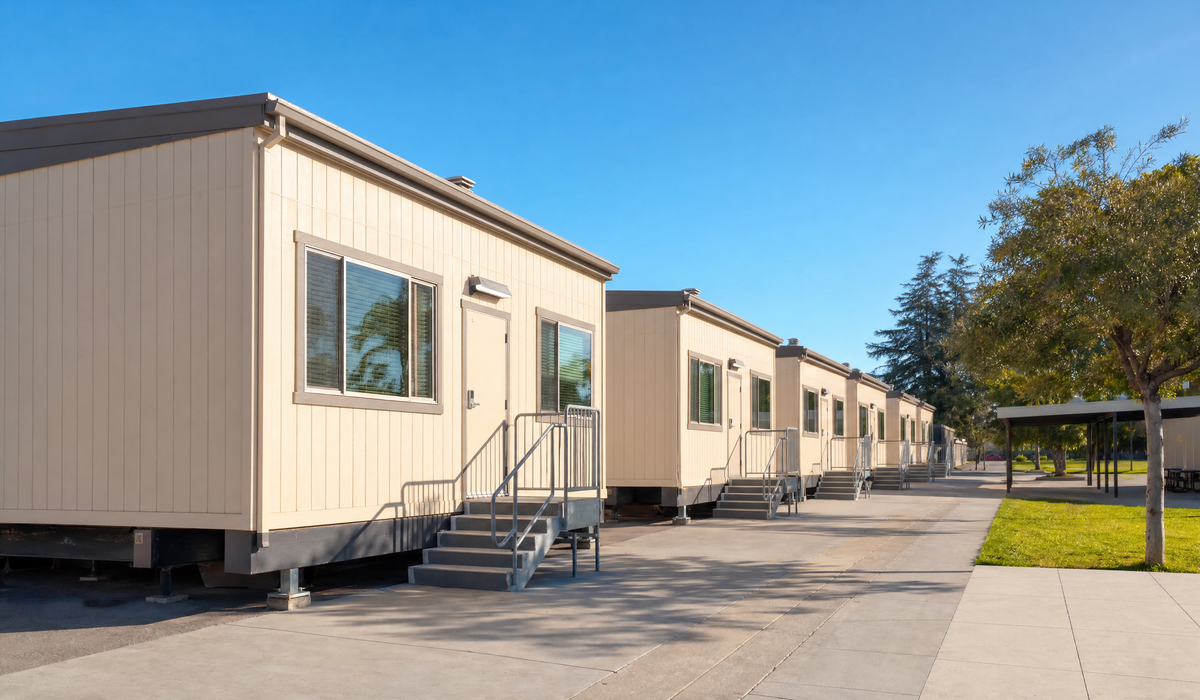
5. Do portable classrooms need fire alarm systems?
Yes. Portable or modular classrooms are required to be integrated into the main school building’s fire alarm system. This is a common point of failure in school fire safety plans.
Conclusion: From Compliance to Confidence
As we saw in the hub article, 25% of schools fail fire inspections, and expired fire alarm testing is the leading cause. The requirements are complex, but they are not insurmountable. By understanding the specific requirements of the California Fire Code, NFPA 72, and the Education Code, you can move from a position of compliance anxiety to one of confidence.
A properly designed, installed, and maintained fire alarm system is the cornerstone of your school’s life safety program. It provides early warning, facilitates orderly evacuation, and protects the lives of students and staff.
Don’t let your school be part of the 25%. If you have questions about your school’s fire alarm system or are due for your annual inspection, the experts at Fire Testing Solutions are here to help.
Contact Us
- Book a Call: https://www.firetestingsolutions.com/contact
- Phone: 866-757-8378
- Email: service@firetestingsolutions.com
- Address: 700 W. First St, Suite 10, Tustin, CA 92780