How to Document Your Fire Protection Systems for Insurance Claims: A California Property Manager's Guide
Why Documentation is Your First Line of Defense
Think of your fire safety documentation as your property's "black box." In the event of a fire, these records provide an objective, third-party account of the health and compliance of your life safety systems before the incident. Without it, you're left trying to prove a negative, an almost impossible task when evidence has been damaged or destroyed.
The burden of proof during a claim investigation falls squarely on you, the policyholder. As we noted in our hub article, a San Bernardino business had a $350,000 fire claim denied due to uninspected sprinkler systems. Proper documentation would have provided indisputable proof of compliance, likely changing the outcome. Your records are your most powerful tool to demonstrate responsible ownership and due diligence.
What Insurers and Fire Marshals Require
When an insurance adjuster or fire marshal investigates a claim, they are looking for a clear, consistent, and complete history of your fire protection systems. Your documentation binder—whether digital or physical—should be audit-ready at all times.
| Document Type | What It Proves | Key Information |
|---|---|---|
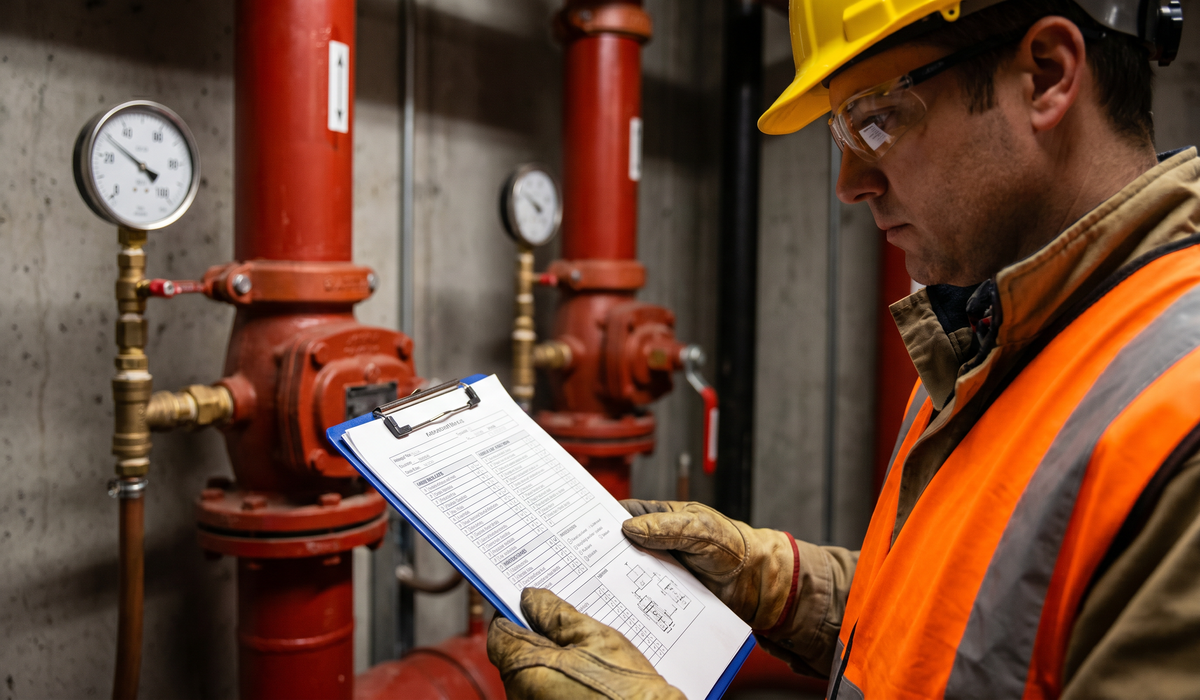
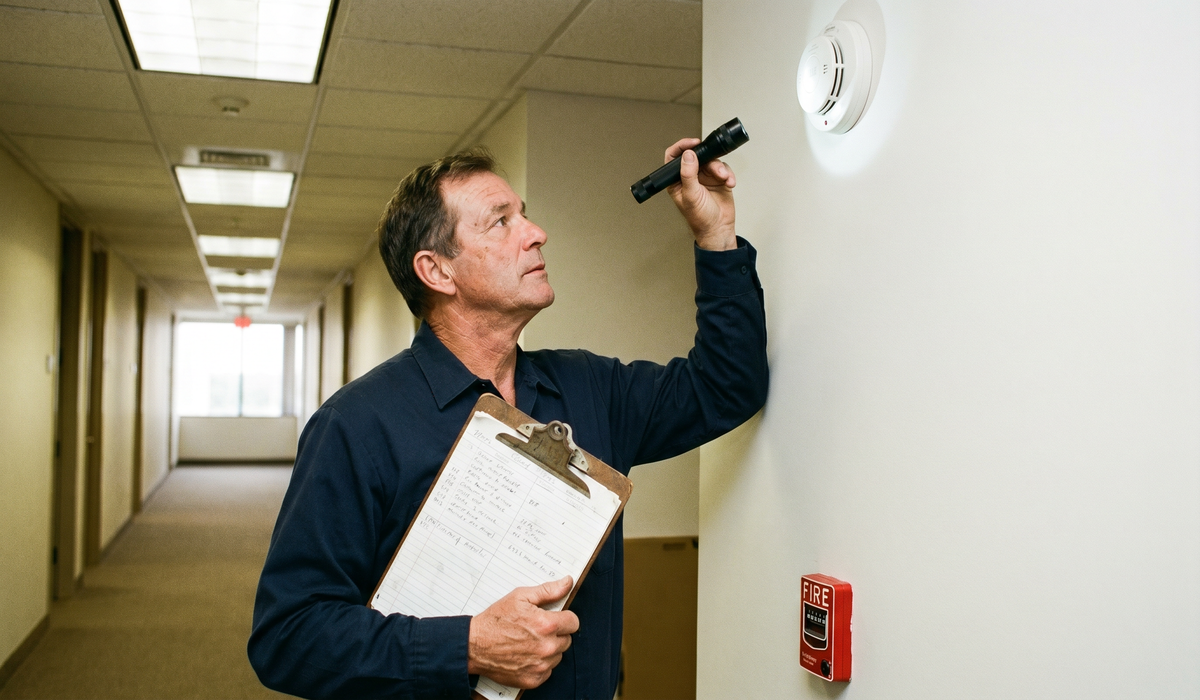
| Inspection & Testing Reports | Third-party verification of system functionality and compliance. | Pass/Fail status, date of test, technician's name, code compliance (NFPA 25, NFPA 72). |
| Maintenance & Repair Records | Proactive ownership and correction of deficiencies. | Date of repair, description of work, parts replaced, who performed the work. |
| System Inventory | A complete record of what you own and what needs protection. | Make, model, serial numbers, installation date, and location of all equipment. |
| Pre-Fire Condition Photos/Videos | Visual proof of the property's condition before the fire. | Date-stamped images of all major systems, equipment, and building areas. |
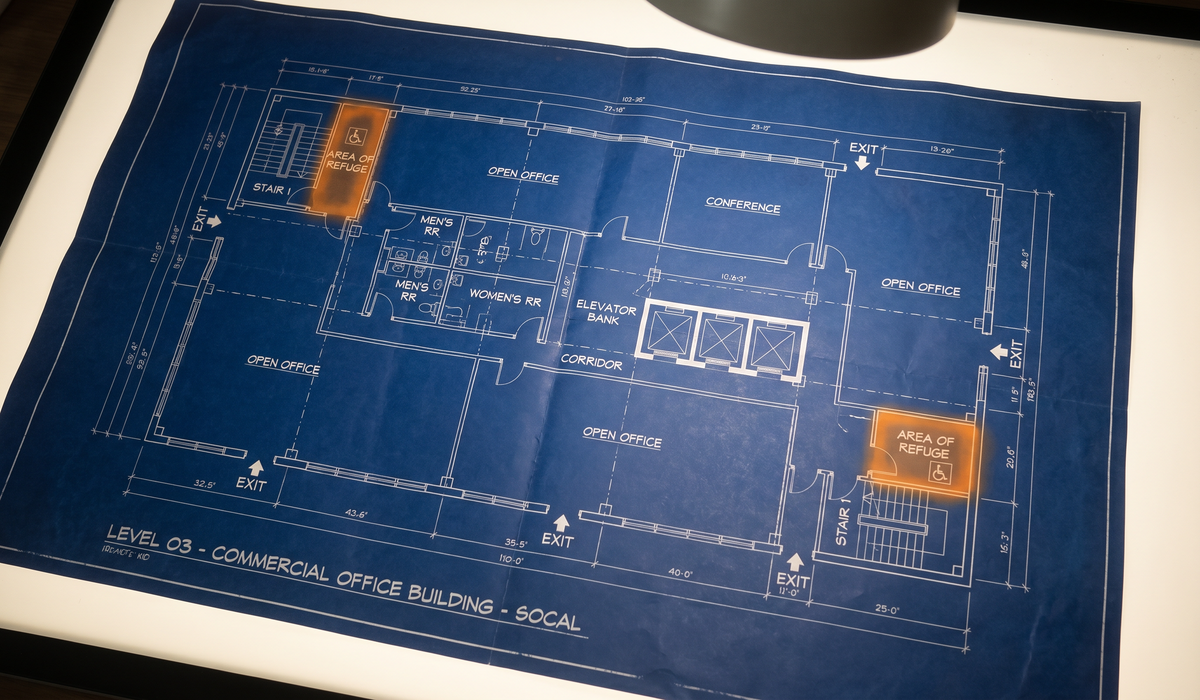
| Building Blueprints/Floor Plans | Shows the layout and location of all fire safety systems. | Locations of fire alarm panels, sprinkler risers, pull stations, and exit paths. |
Creating Your Fire Protection System Inventory
A detailed inventory is the foundation of your documentation strategy. It tells you what you have, where it is, and what needs to be inspected. Walk your property and document every component of your life safety systems:
Fire Alarm System:
Note the make and model of the main panel, the number and location of smoke detectors, heat detectors, and manual pull stations.
- Fire Alarm System: Note the make and model of the main panel, the number and location of smoke detectors, heat detectors, and manual pull stations.
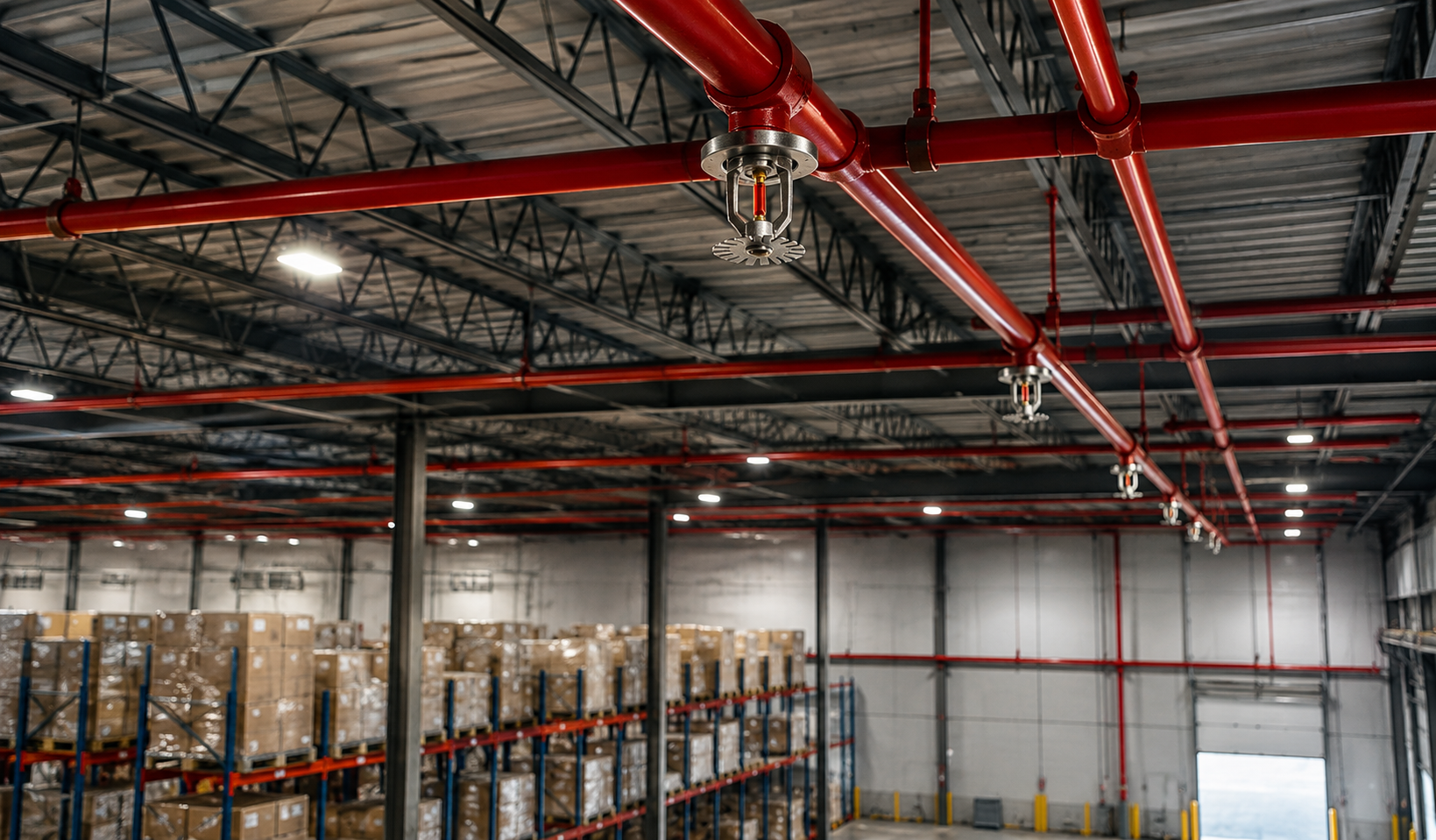
- Fire Sprinkler System: Document the location of risers, control valves, and fire pumps. Note the type of sprinkler heads used in different areas.
- Fire Extinguishers: Create a log of every extinguisher, including its location, type (e.g., ABC, K-Class), and the date on its service tag.
- Kitchen Hood Suppression Systems: For mixed-use properties with restaurants, document the make, model, and last service date of the hood system.
- Emergency Lighting & Exit Signs: Map out the location of every emergency light and exit sign.
Photography & Videography Best Practices
Visual evidence is incredibly powerful. A comprehensive library of "before" photos can stop a denial argument in its tracks.
- Be Thorough: Take photos of everything in your inventory. Get wide shots of rooms and close-ups of equipment tags and gauges.
- Date and Time-Stamp: Use a camera app that automatically embeds the date and time on the image. This makes the evidence more credible.
- Establish a Routine: Take new photos annually, after any major repairs, or when new equipment is installed.
- Store Securely: Keep your photos in a secure, cloud-based folder (like Google Drive or Dropbox) that is separate from the physical property. This ensures your proof survives even if the property doesn't.
California Requirements for Mixed-Use Properties
Mixed-use properties—with retail or restaurants on the ground floor and apartments or offices above—are common in Southern California and present unique documentation challenges. The California Building Code (CBC) and California Fire Code (CFC) have different requirements for different occupancy types.
For example, a
Mercantile occupancy (a retail store) has different fire alarm and sprinkler requirements than a
Residential occupancy (apartments) in the same building. You must maintain separate and complete documentation for each occupancy type. A compliance failure in the retail space could potentially jeopardize an insurance claim for the entire building. Your documentation must clearly show that each part of your mixed-use property meets the specific codes for its designated use.
How Fire Testing Solutions Automates Your Documentation
Managing all this documentation can feel like a full-time job. Fire Testing Solutions simplifies this entire process for property managers across Southern California.
- Digital, Audit-Ready Reports: After every inspection, test, or repair, we provide a detailed digital report that meets NFPA and California State Fire Marshal standards. This report is your proof of compliance.
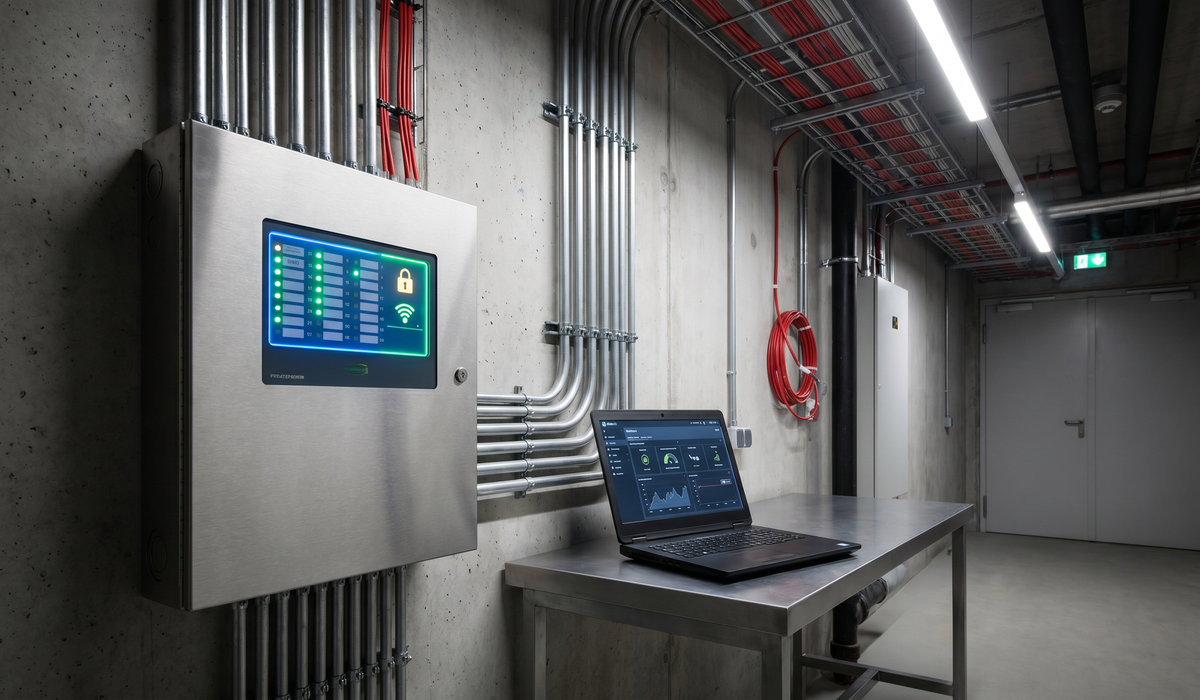
- Secure Online Portal: We provide all our clients with access to a secure online portal. Here, you can view and download all your service records, inspection reports, and compliance documentation 24/7, from any device.
- Automated Record-Keeping: You no longer have to chase down paperwork or worry about losing a report. Our system automatically organizes and stores your entire fire safety history, creating an ironclad record for any potential audit or insurance claim.
-
With Fire Testing Solutions, you get more than just testing; you get a complete documentation management system that provides peace of mind.
Frequently Asked Questions (FAQs)
1. What documentation do insurance companies require for fire protection systems?
Insurers typically require annual inspection and testing reports for all fire protection systems (sprinklers, alarms, etc.), records of any maintenance or repairs performed, and a complete inventory of the systems.
2. How long should I keep fire safety inspection records?
It is best practice to keep all fire safety records for the life of the system. At a minimum, you should have at least the last five years of annual inspection reports readily available.
3. What happens if I don't have proper documentation when filing a fire claim?
Without proper documentation, the insurer may argue that your systems were not properly maintained or compliant with code, which is a common reason for denying a claim or reducing the payout.
4. Who can provide official fire protection system documentation in California?
Official documentation, such as inspection and testing reports, must be provided by a licensed contractor with the proper certifications from the California State Fire Marshal.
5. What's the difference between maintenance records and inspection records?
Inspection records document the testing and functionality of a system at a specific point in time (e.g., an annual fire alarm test). Maintenance records document any repairs, replacements, or service performed on the system.
Conclusion: Turn Your Documentation into Your Best Defense
In the world of insurance, what you can prove is what matters. A well-organized and complete set of fire protection system records is your best defense against the 30-37% of fire claims that get denied. It shifts the conversation from doubt to data, demonstrating your commitment to safety and compliance.
Don't wait for a fire to discover gaps in your records. Start building your documentation strategy today. By creating a thorough inventory, taking pre-fire photos, and partnering with a professional who provides audit-ready digital records, you can protect your investment and ensure your insurance coverage is there when you need it most.
Contact Us
Ready to build an ironclad documentation strategy? Contact us today for a free consultation.
- Book a Call:
https://www.firetestingsolutions.com/contact
- Phone: 866-757-8378
- Email: service@firetestingsolutions.com
- Address: 700 W. First St, Suite 10, Tustin, CA 92780