Fire Claim Denied? Here Are the Top 10 Reasons

Seth Kozlik
When fire devastates your commercial property, you expect insurance coverage. Unfortunately, insurers deny 30-37% of fire claims [1], leaving property owners facing massive out-of-pocket costs.

Building on Our Previous Discussion

We've previously explored why insurers reject claims due to fire compliance mistakes. Now let's dive deeper into all 10 major reasons commercial fire claims get denied—and how to prevent them.

The Top 10 Denial Reasons


1. Insufficient Coverage or Policy Exclusions

The Reality: 75% of US commercial properties are underinsured by nearly 50% [2]. When coverage limits fall short, insurers pay only the policy maximum.


Real Example:
A building worth $10 million insured for $6 million faces devastating shortfalls. For $200,000 in damage, the owner receives only $144,000 due to coinsurance penalties, paying $56,000 out-of-pocket. In total loss scenarios, this creates a $5.5 million gap [2].


Prevention: Review coverage annually and ensure limits reflect current replacement costs.


2. Fire Safety Compliance Violations

The Problem: As detailed in our previous article, insurers expect NFPA compliance. The San Bernardino case showed how a $350,000 claim portion was denied due to uninspected sprinkler systems.


Prevention:
Maintain current inspection records and address maintenance issues immediately.


3. Late Claim Filing

The Issue: Most policies require fire reporting within 24-72 hours. Late filing gives insurers grounds for denial.


Prevention:
Report fires immediately and document all communications with your insurer.


4. Inadequate Documentation

The Problem: Poor documentation makes it impossible to prove losses. Insurers need detailed evidence of damages and pre-fire property conditions.


Prevention:
Maintain comprehensive property records, photos, and inventory lists. Update documentation annually.


5. Arson or Fraud Suspicion

The Reality: Insurers investigate all fires for potential fraud. Suspicious circumstances can lead to claim denial even without criminal charges.


Prevention:
Cooperate fully with investigations and provide complete, accurate information.


6. Pre-existing Damage

The Issue: Insurers won't pay for damage that existed before the fire. Poor property maintenance creates liability.


Prevention: Document property conditions regularly and address maintenance issues promptly.

7. Policy Payment Issues

The Problem: Lapsed policies due to non-payment void coverage entirely.


Prevention:
Set up automatic payments and maintain current contact information with your insurer.


8. Misrepresentation on Applications

The Issue: Inaccurate information on insurance applications can void policies retroactively.


Prevention:
Provide complete, accurate information when applying for coverage. Update insurers about property changes.


9. Failure to Mitigate Further Damage

The Requirement: Policyholders must take reasonable steps to prevent additional damage after fires.


Prevention:
Secure property immediately after fires and document all mitigation efforts.


10. Business Interruption Documentation Issues

The Challenge: Business interruption claims require extensive financial documentation that many businesses can't provide.


Prevention:
Maintain detailed financial records and work with accountants to document actual losses.


Protect Your Investment Today

Don't wait until after a fire to discover coverage gaps. The time to protect your commercial property is now.


Take Action:

  1. Schedule a fire safety assessment to identify compliance issues
  2. Review your insurance policy for coverage gaps
  3. Establish preventative maintenance to reduce claim denial risks
  4. Document everything to support future claims

Contact Fire Testing Solutions

Protect your commercial property with professional fire safety services that prevent insurance claim denials. Our experienced team serves Southern California with comprehensive solutions.


📞 Call 866-757-8378 for immediate consultation

🌐 Book https://www.firetestingsolutions.com/contact

📧 Email info@firetestingsolutions.com


Don't let a fire claim denial devastate your business. Contact Fire Testing Solutions today and ensure your property is protected with proper compliance and documentation.


References

[1] Omar Ochoa Law. (2024). "11 Common Reasons Why Fire Insurance Claims Get Denied." https://www.omarochoalaw.com/blog/reasons-insurance-companies-deny-fire-claims


[2] Insurance Marketing Agencies. "The Escalating Crisis of Underinsurance in U.S. Commercial Properties." https://www.imaagency.com/knowledge-center/cre-underinsurance/


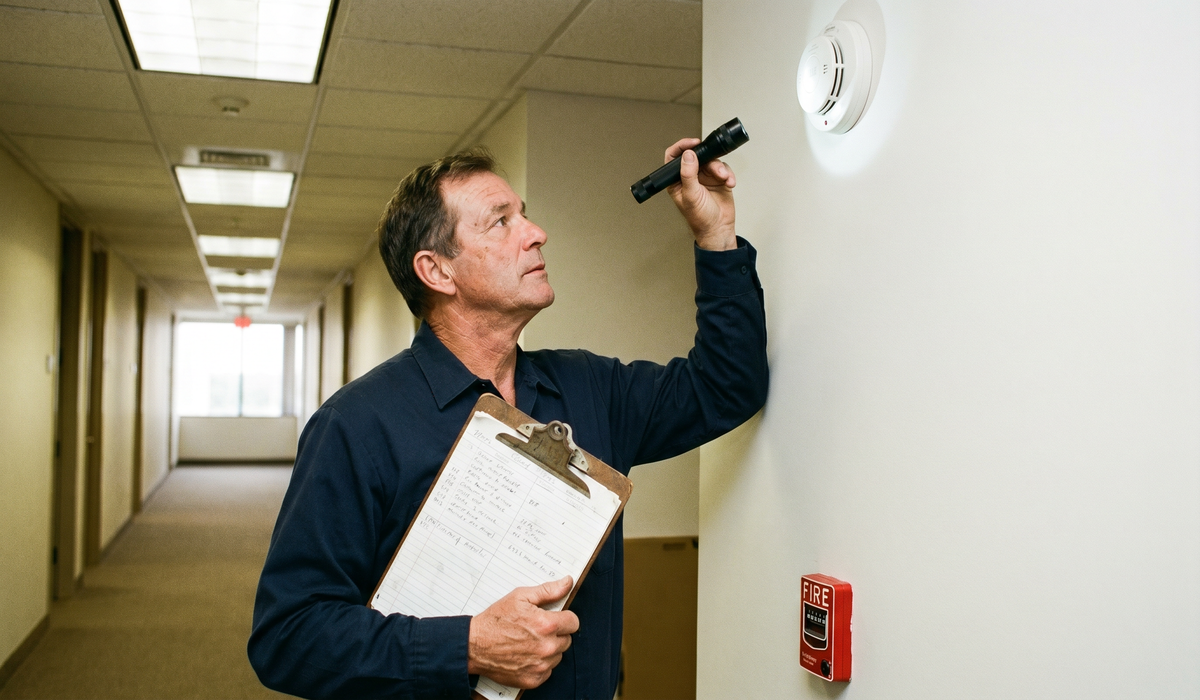
Maintenance worker inspecting a hallway wall with a flashlight and clipboard
By Seth Kozlik April 28, 2026
Not sure who is responsible for fire alarm compliance in your Southern California commercial property? Learn what California law says about property owners, managers, AHJs, and licensed contractors.
Underground parking garage with three parked cars and EV charging stations on the right.
By Seth Kozlik April 22, 2026
Adding EV chargers to your Southern California parking garage? Learn what NFPA 13 and NFPA 88A require for sprinkler systems — and how to stay compliant.
A long, perspective view of a warehouse aisle with pallets stacked high on metal shelving under bright overhead lights.
By Seth Kozlik April 15, 2026
Managing a cold storage facility in Southern California is complex enough without the constant worry of fire code violations. If you are a property manager or compliance officer, understanding how your fire alarm system integrates with your specialized sprinklers is the key to passing your next inspection and keeping your facility safe. Imagine this scenario: It is 2:00 AM at your cold storage distribution center in the Inland Empire. A small electrical fire starts near a forklift charging station. In a standard warehouse, the heat would rise, a sprinkler head would pop, and water would extinguish the flames. But in a freezer environment, standard sprinklers cannot be used because the water inside the pipes would freeze solid, destroying the system and ruining your inventory. Instead, cold storage facilities rely on highly specialized, dry-pipe systems—specifically, double interlock pre-action systems. But here is the catch that catches many property managers off guard: these complex sprinkler systems are entirely dependent on your fire alarm system to function. If the fire alarm integration fails, the sprinklers will not activate. This guide breaks down the critical requirements of NFPA 72 (the National Fire Alarm and Signaling Code) as it applies to cold storage environments. We will explain how these systems work together, what California law requires, and how proactive compliance can actually simplify your facility management.
A person in uniform points to a gauge on red pipes while discussing equipment with a colleague holding a tablet.
By Seth Kozlik April 8, 2026
Everything Southern California property managers need to know about fire & life safety compliance — NFPA 72, NFPA 25, Title 19, California Fire Code, and multifamily requirements. Stay legal and protect your properties.
A technician's workspace inside a van shows tools, a yellow hard hat, and a clipboard, with a building visible outside.
By Seth Kozlik March 31, 2026
A severe shortage of skilled fire protection technicians is creating major compliance risks for Southern California property managers. Learn why you need to act now to avoid violations and secure your building’s safety.
A person in professional attire uses a tablet while checking industrial electrical control panels in a basement.
By Seth Kozlik March 24, 2026
Discover the top 5 fire alarm and sprinkler deficiencies found in Southern California commercial properties. Learn how to fix them and pass your next fire marshal inspection with confidence
A bright red fire hydrant stands on a patch of green grass beside a paved road.
By Seth Kozlik March 17, 2026
Is your commercial property compliant with California's 5-year fire hydrant flow test law? Learn what every property manager needs to know about NFPA 291 and Title 25 to stay safe and avoid fines
By Seth Kozlik March 11, 2026
Is your Southern California warehouse storing hidden hazardous materials? Learn what every 3PL and logistics manager must know about NFPA 400, MAQs, and Group H occupancy to stay compliant.
Warehouse interior with tall shelving, boxes, and a yellow forklift.
By Seth Kozlik March 4, 2026
A complete guide for property managers on modern warehouse fire safety. Covers risks from ASRS and Li-ion batteries, plus specialized fire protection systems to ensure compliance.
More Posts