NFPA 400 for Southern California Warehouses: What Every 3PL and Logistics Manager Must Know
As a warehouse or 3PL manager in Southern California, you operate at the heart of the global supply chain. The Inland Empire alone is the largest logistics hub in the United States, with over 700 million square feet of warehouse space. Your facility is a critical node in a system that moves billions of dollars in goods. But with that responsibility comes a hidden risk that many managers overlook: hazardous materials compliance under NFPA 400.
NFPA 400 is one of the most critical and misunderstood codes for commercial property managers. While many associate it with chemical plants, its reach extends into far more common facilities—especially warehouses. You might think your facility doesn't handle hazardous materials, but the reality is that a single pallet of a common retail product can place your entire operation under a higher level of fire code scrutiny.
This guide will walk you through exactly what warehouse and logistics managers need to know about NFPA 400, how it’s enforced in Southern California, and how you can stay compliant without disrupting your operations.
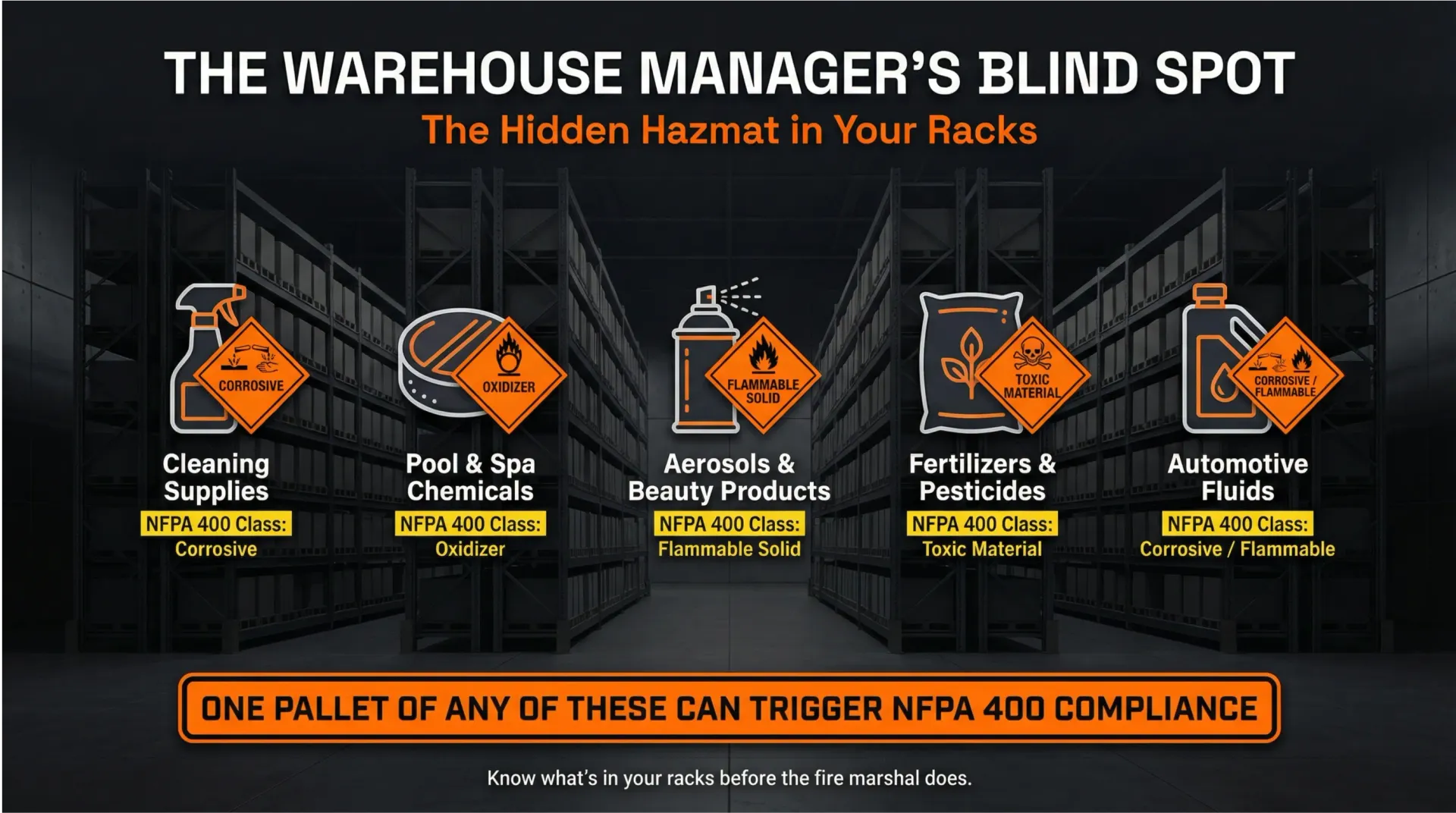
The biggest mistake a warehouse manager can make is assuming they don’t handle hazardous materials. The term doesn’t just apply to barrels of industrial chemicals. Many everyday consumer and commercial products fall under NFPA 400’s classifications. If you store goods for other companies, you are responsible for what’s on their pallets.
One of your clients could introduce a regulated product into your facility without your knowledge, instantly putting you in a state of non-compliance. Here are a few examples of seemingly innocent products that can trigger NFPA 400 requirements:
| Product Category | Common Example | NFPA 400 Hazard Class |
|---|---|---|
| Cleaning Supplies | Industrial-strength degreasers, bleach | Corrosive |
| Pool & Spa Supplies | Chlorine tablets, shock treatments | Oxidizer |
| Beauty & Personal Care | Hairspray, nail polish remover, aerosols | Flammable Solid/Liquid |
| Gardening & Agriculture | Fertilizers, pesticides | Oxidizer, Toxic Material |
| Automotive Products | Brake fluid, transmission fluid, certain additives | Corrosive, Flammable Liquid |
Storing just a few pallets of these items could be enough to exceed the Maximum Allowable Quantity (MAQ) for your facility, triggering a cascade of expensive and complex compliance requirements.
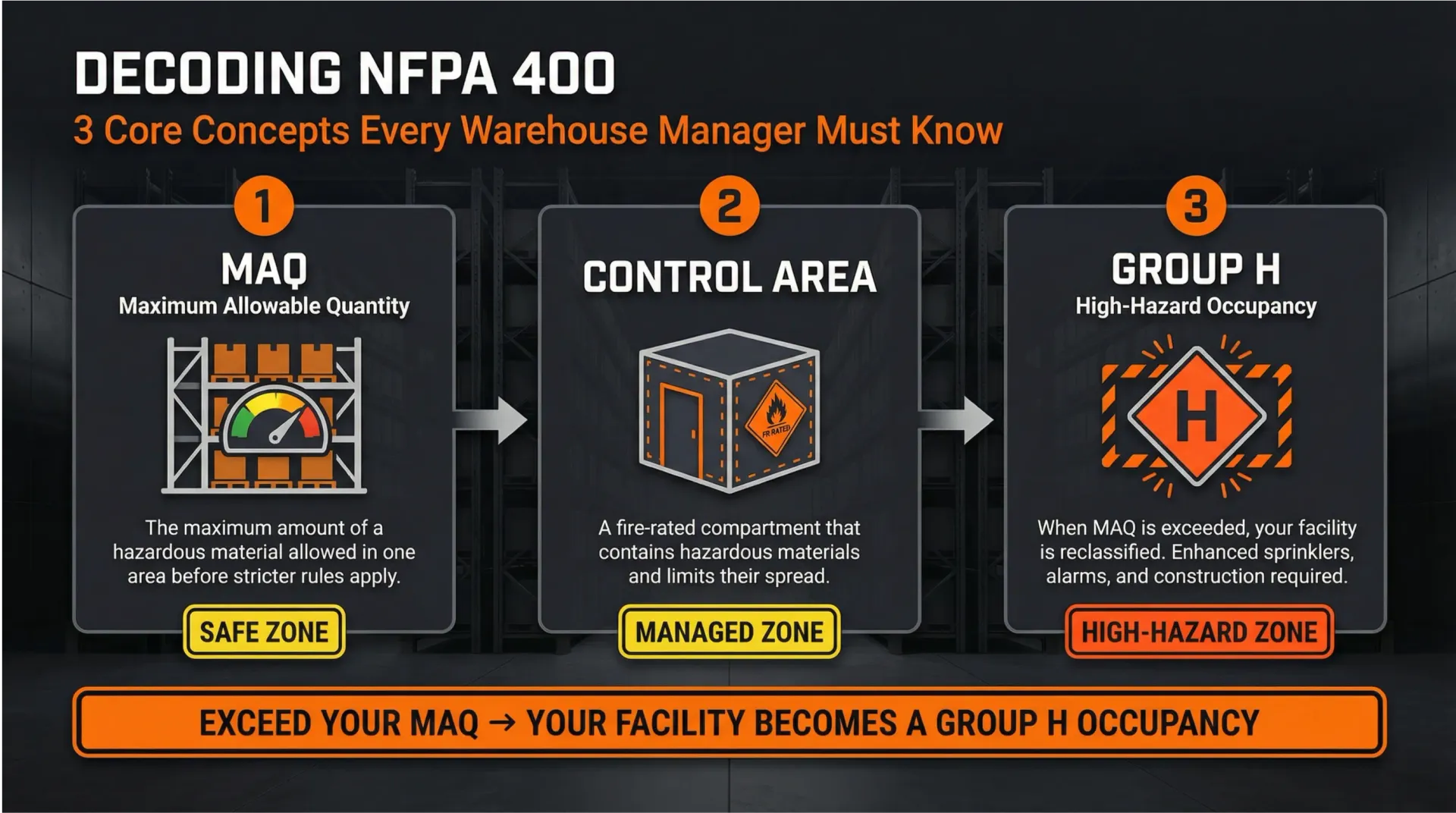
To protect your facility, you need to understand three core concepts from NFPA 400: Maximum Allowable Quantities (MAQs), Control Areas, and Group H Occupancy.
1. Maximum Allowable Quantity (MAQ)
The MAQ is the maximum amount of a specific hazardous material that is allowed to be stored or used within a single Control Area before you are required to implement more stringent fire protection measures. This is the single most important number in hazardous materials compliance. The MAQs are listed in tables within the California Fire Code and NFPA 400 and vary based on the material's hazard class, physical state (solid, liquid, gas), and storage method.
2. Control Areas
A Control Area is a space within a building where hazardous materials are stored, dispensed, used, or handled, which is enclosed and bounded by fire-resistance-rated construction. Think of it as a fire-rated box. The purpose of a Control Area is to compartmentalize a hazardous material incident. By dividing your warehouse into multiple, properly rated Control Areas, you can store more hazardous materials in your building without triggering a change in your facility’s fundamental occupancy classification.
3. Group H (High-Hazard) Occupancy
If the amount of hazardous materials in any one of your Control Areas exceeds the MAQ, that area is no longer considered a standard storage occupancy (Group S). Instead, it is reclassified as a Group H (High-Hazard) Occupancy. This is a game-changer. A Group H classification comes with a host of mandatory, non-negotiable upgrades, including:
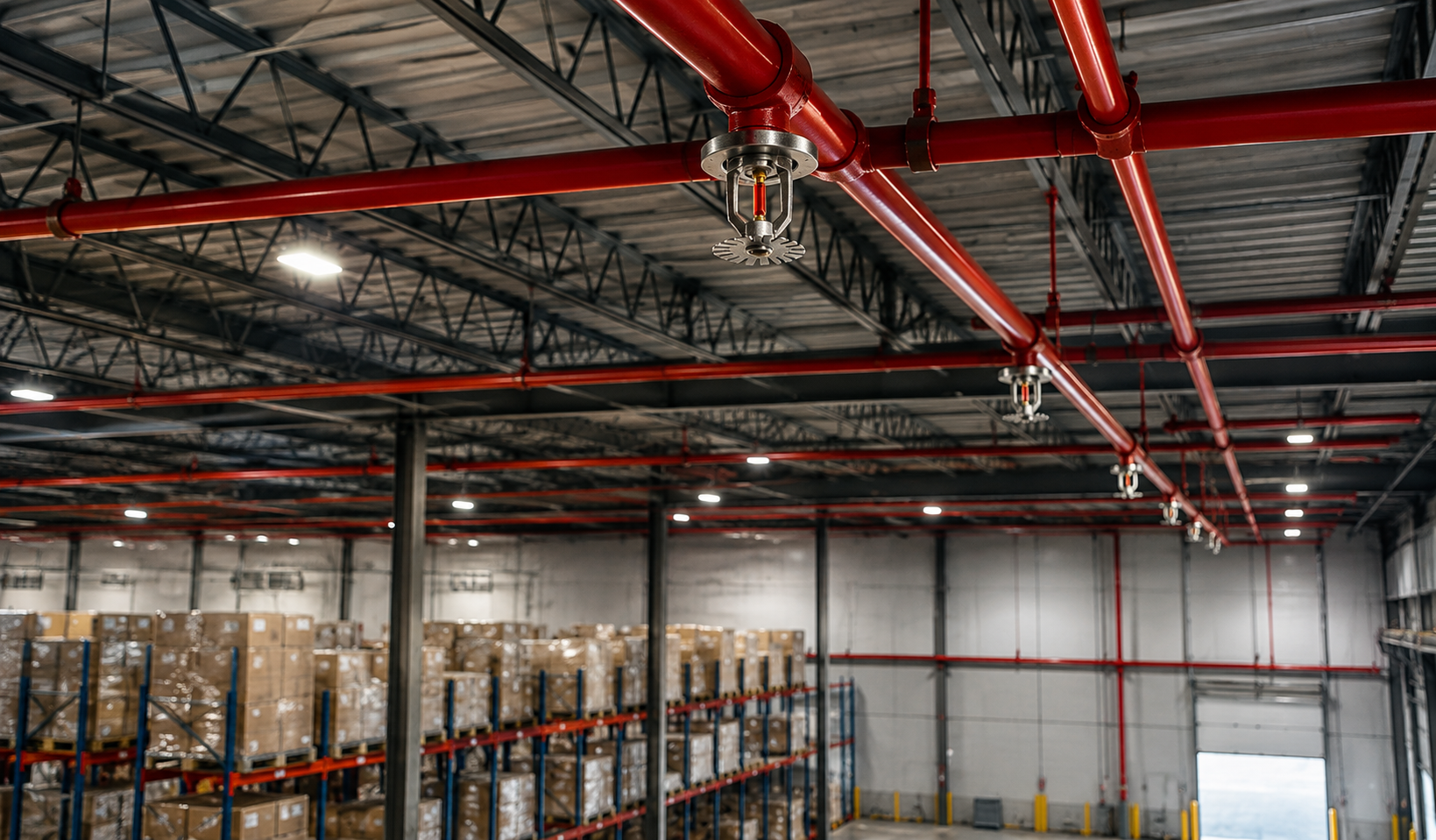
- Enhanced Sprinkler Systems:
Often requiring an Extra Hazard Group 2 design under NFPA 13.
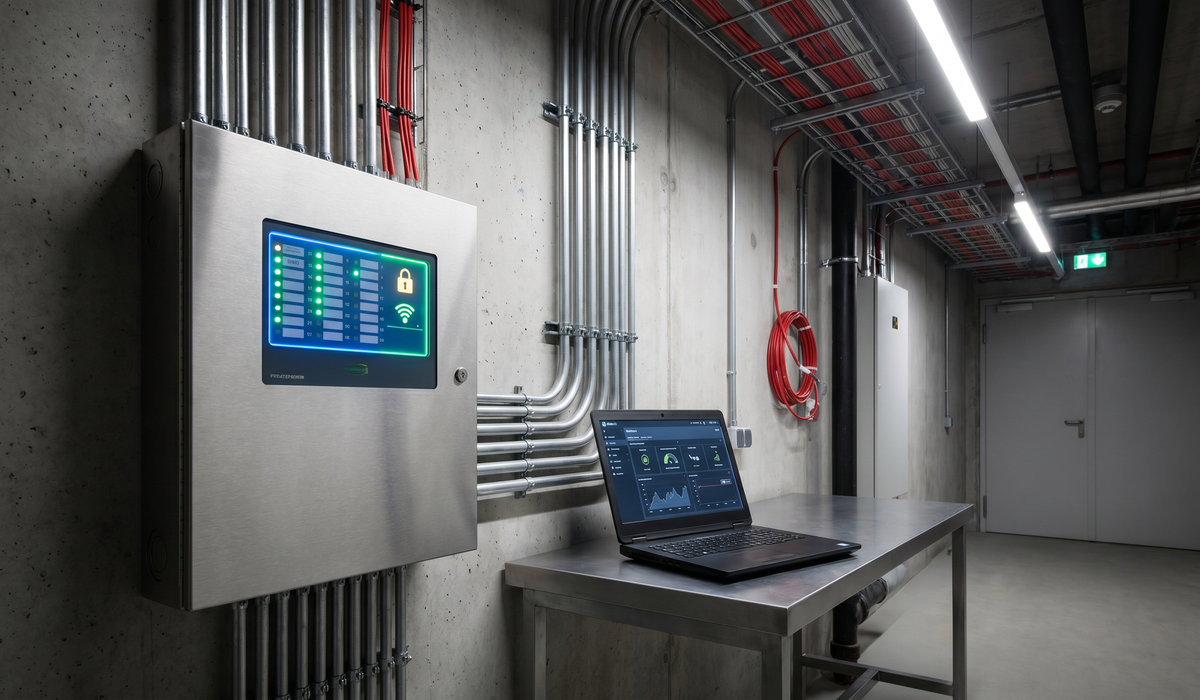
- Specialized Fire Alarm Systems: May require gas detection, flame detection, and specialized notification devices under NFPA 72.
- Spill Control and Secondary Containment: To prevent hazardous materials from spreading.
- Explosion Control: If explosive materials are present.
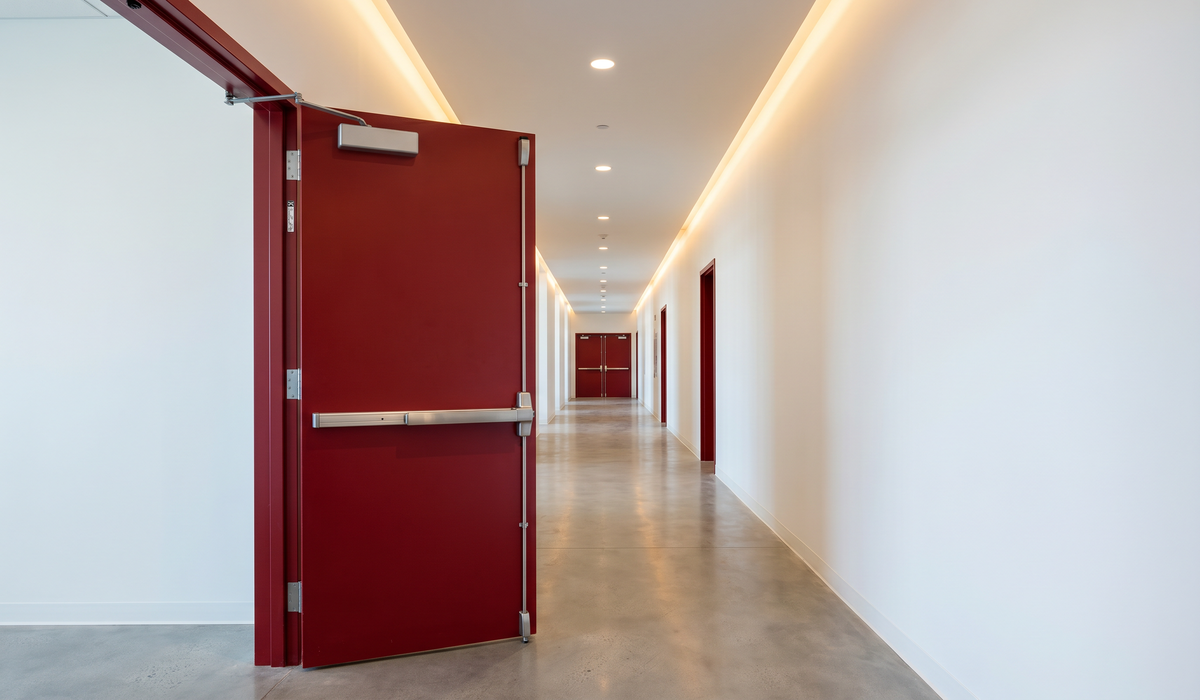
- Enhanced Fire-Rated Construction: To properly isolate the Group H area.
These are not minor upgrades; they are significant construction projects that can be incredibly costly and disruptive if you are forced to implement them retroactively.
The California Connection: HMBP and Local Enforcement
In Southern California, NFPA 400 isn’t just a set of recommendations; it’s the law. The code is adopted into the California Fire Code (CFC) and is enforced by your local Authority Having Jurisdiction (AHJ), such as the LA County Fire Department or the Orange County Fire Authority (OCFA).
Furthermore, any business that handles hazardous materials at or above a certain quantity (typically 55 gallons, 500 pounds, or 200 cubic feet) is required to file a
Hazardous Materials Business Plan (HMBP) with the state. This plan details your chemical inventory, site map, and emergency procedures. Filing an HMBP is often the first step that puts your facility on the radar of your local AHJ for a hazardous materials inspection.
For properties that have multiple functions, such as a warehouse attached to a retail space or office building (a multifunction property), the compliance requirements can become even more complex, as different occupancy types must be properly separated.
How Fire Testing Solutions Simplifies Warehouse Compliance
Navigating the complexities of NFPA 400, MAQs, and Group H occupancy can be overwhelming for a busy logistics manager. That’s where a qualified fire protection partner becomes invaluable. At Fire Testing Solutions, we help Southern California warehouse and 3PL managers stay ahead of the compliance curve.
- MAQ Compliance Assessments:
We start by helping you understand what’s actually in your facility. Our experts can conduct a thorough assessment of your (or your clients’) inventory to determine if you are approaching or have already exceeded your MAQs. This proactive step can save you from costly violations down the road.
- ITM for Group H Systems:
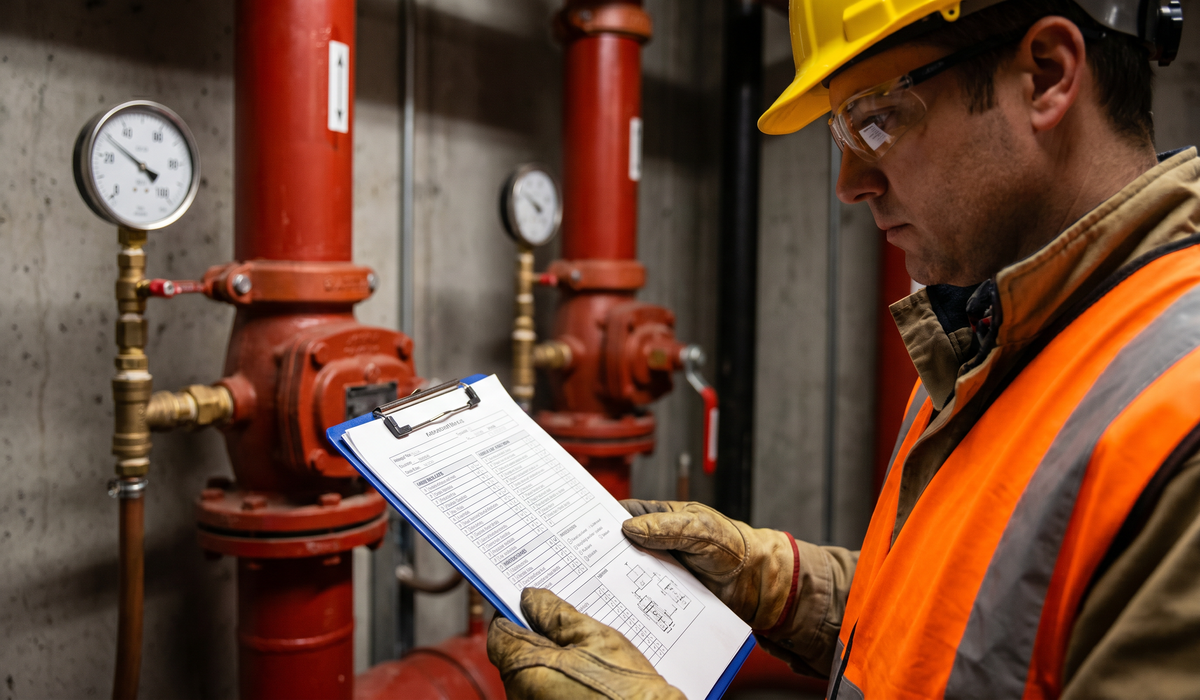
If your facility already has or requires Group H-rated fire protection, our licensed technicians are qualified to perform the specialized Inspection, Testing, and Maintenance (ITM) required for these enhanced systems, ensuring you are always in compliance with NFPA 25 and NFPA 72.
- AHJ Inspection Preparation:
An impending visit from the fire marshal can be stressful. We help you prepare by ensuring your systems are functioning correctly, your documentation is in order, and you have a clear understanding of your compliance status.
Frequently Asked Questions (FAQs)
1. Can I just refuse to store hazardous materials for my 3PL clients?
You can, but it may limit your business opportunities. A better approach is to have a clear hazardous materials acceptance policy and a partner who can help you assess the compliance impact of any new product you bring into your facility.
2. My warehouse has a standard sprinkler system. Isn’t that enough?
Not if you exceed the MAQ. A standard Group S (Storage) sprinkler system is not designed to handle the unique fire characteristics of many hazardous materials. A Group H occupancy requires a system designed for higher heat release rates and specific application densities.
3. How often do I need to update my Hazardous Materials Business Plan (HMBP)?
In California, you must review and certify your HMBP annually. You must also update it within 30 days of any significant change in your hazardous materials inventory.
4. What is the most common NFPA 400 violation you see in warehouses?
The most common violation is simply not knowing what you’re storing. A 3PL accepts a new client, stores their product, and unknowingly exceeds the MAQ for a corrosive or oxidizer, putting the entire facility at risk and out of compliance.
Your Partner in Warehouse Fire Safety
As a warehouse or logistics manager in Southern California, you can’t afford to have a blind spot when it comes to hazardous materials. The key is to be proactive, not reactive. Understand your inventory, know your MAQs, and partner with an expert who can guide you through the complexities of NFPA 400.
Don’t wait for a notice from the fire department to find out you have a problem. Let Fire Testing Solutions help you ensure your facility is safe, compliant, and always ready for business.
Ready to get a clear picture of your facility’s compliance status?
- Book a Call:
https://www.firetestingsolutions.com/contact
- Phone Number: 866-757-8378
- Email: service@firetestingsolutions.com
- Address: 700 W. First St, Suite 10, Tustin, CA 92780