The 5-Year Fire Hydrant Flow Test: A Complete Guide for California Property Managers
As a commercial property manager in Southern California, you juggle a dozen different maintenance schedules, from HVAC servicing to landscaping. But there’s one critical, legally mandated test that often flies under the radar until an inspector shows up: the 5-year fire hydrant flow test.
What is it? Why is it so important? And what happens if you neglect it?
This guide will walk you through everything you need to know about this essential compliance requirement. We'll break down the what, why, and how of 5-year fire hydrant flow testing, explain the specific California regulations that make it mandatory, and show you how to ensure your property is safe, compliant, and prepared for any emergency.
What is a 5-Year Fire Hydrant Flow Test?
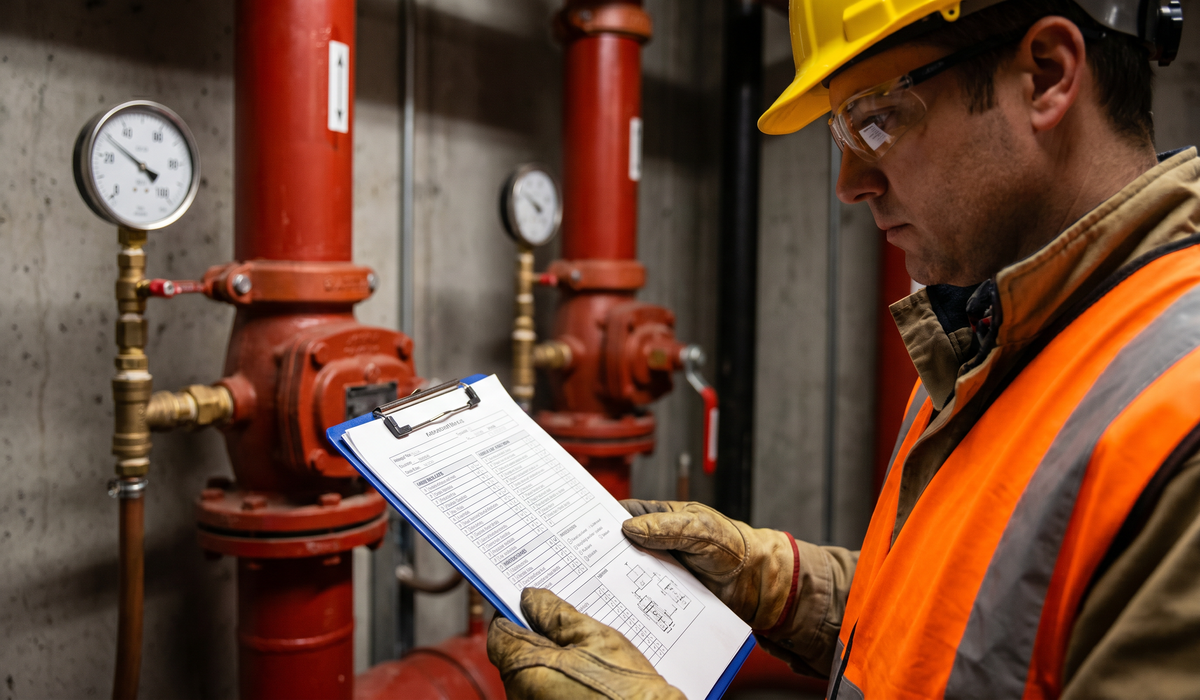
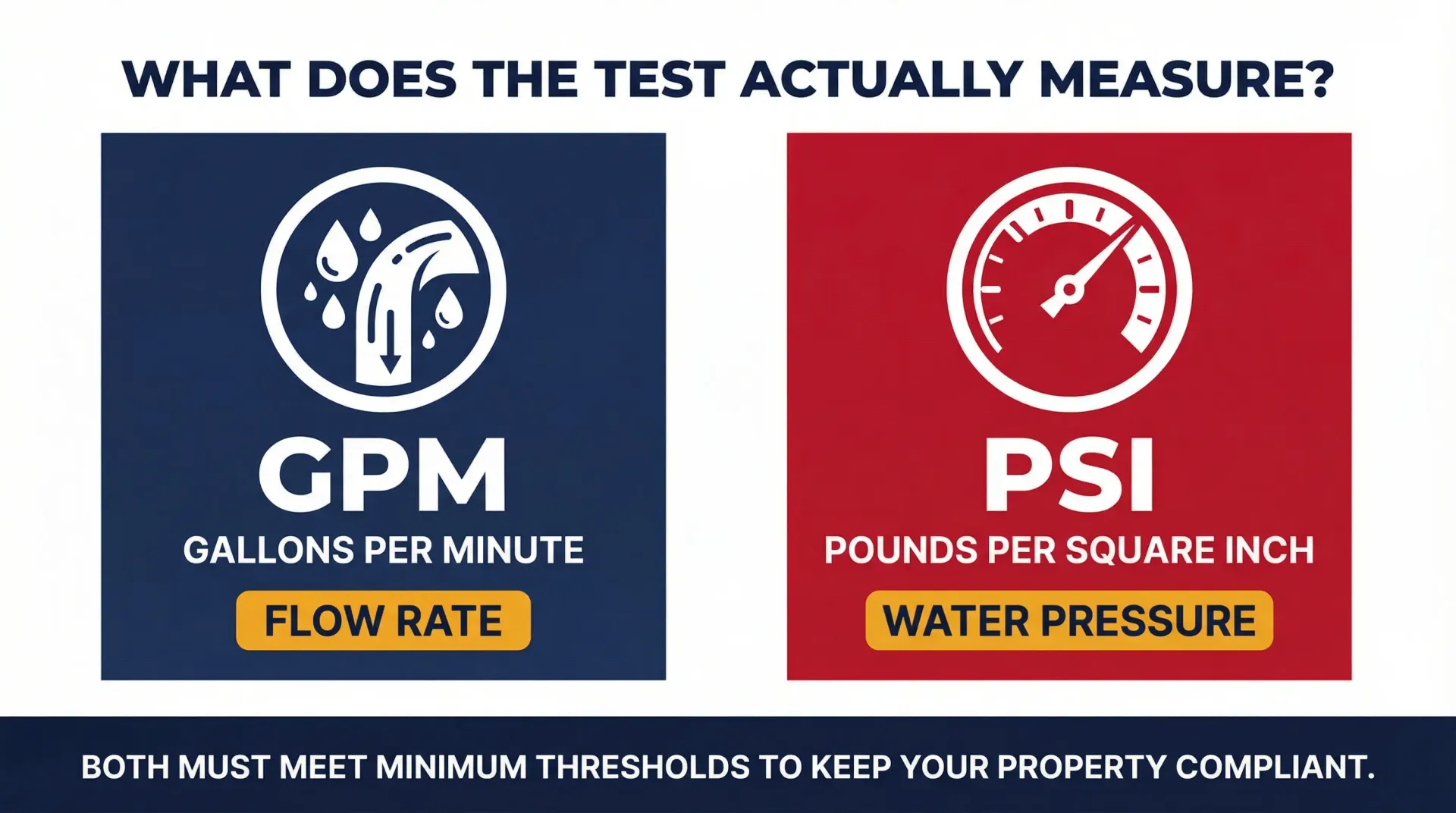
A 5-year fire hydrant flow test is a detailed performance measurement of your property’s private fire hydrants. It’s not just a visual inspection; it’s a functional test that answers two critical questions:
- Is there enough water available?
The test measures the water flow rate in Gallons Per Minute (GPM).
- Is the water pressure adequate? The test measures the water pressure in Pounds per Square Inch (PSI).
Think of it like a health check-up for your property’s water supply. Over time, underground pipes can corrode, accumulate sediment, or suffer from undetected leaks. A valve in the municipal supply line miles away could be partially closed. These issues can silently reduce the amount of water and pressure available to your hydrants, rendering them ineffective in a fire.
The 5-year flow test is designed to uncover these hidden problems before they become a tragedy.
Why is the 5-Year Flow Test So Important?
Beyond being a legal requirement, the 5-year flow test is a cornerstone of your property’s fire safety for several key reasons:
- It Verifies Your First Line of Defense:
When firefighters arrive at your property, they connect their hoses to your hydrants. If the flow or pressure is inadequate, they lose precious time and the ability to effectively fight the fire. A successful flow test confirms that your hydrants can deliver the water needed to protect your building and its occupants.
- It Ensures Your Sprinkler System Will Work: Your automatic fire sprinkler system is designed based on a specific water pressure and flow. If the water supply has degraded, your sprinklers may fail to control a fire, leading to catastrophic damage. The 5-year flow test ensures your sprinkler system has the water it needs to function as designed.
- It Protects Your Investment: A fire can be financially devastating. A properly functioning fire protection system is your best insurance against a total loss. The cost of a 5-year flow test is a tiny fraction of the potential cost of a fire.
It Keeps You Compliant: In California, the 5-year fire hydrant flow test is not a recommendation; it’s the law. Failure to comply can result in fines, legal liability, and even the shutdown of your property.
The California Connection: NFPA 291 and Title 25
| Regulation | What It Says | Who It Applies To |
|---|---|---|
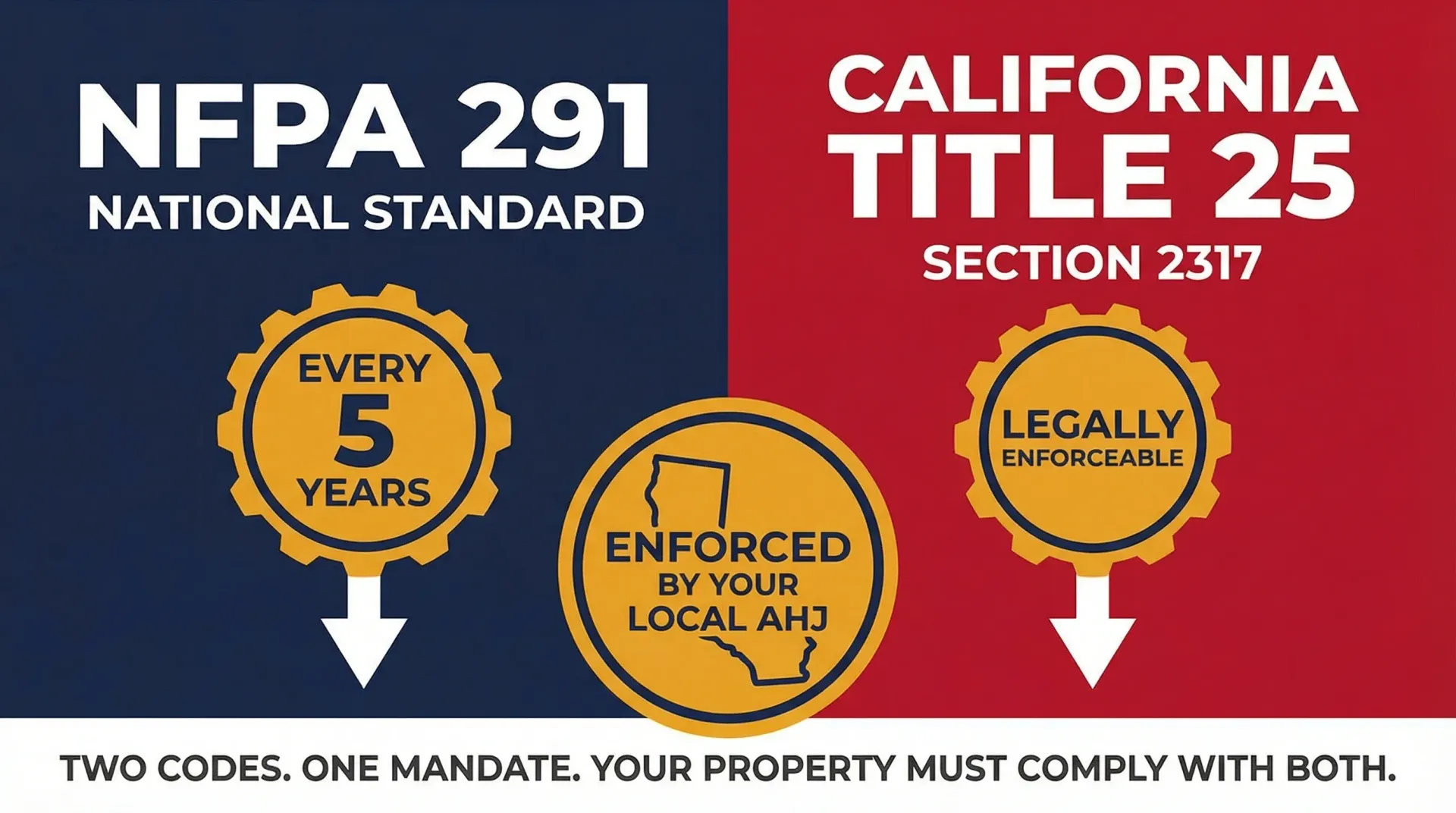
| NFPA 291: Recommended Practice for Fire Flow Testing and Marking of Hydrants | This is the national standard that outlines the procedures for conducting flow tests. It recommends that public fire hydrants be tested every 5 years to verify their capacity. California has adopted this standard into its own fire code, making it legally enforceable for private hydrants as well. | All commercial properties with private fire hydrants. |
| California Code of Regulations, Title 25, Section 2317 | This regulation explicitly states that private fire hydrants in mobile home parks and special occupancy parks must be tested and certified for minimum water flow at least once every five years. While the text specifically calls out these property types, the principle is applied broadly to all commercial properties with private hydrants by local fire authorities. | While the text is specific, the principle is applied to all commercial properties with private hydrants by AHJs. |
Who Can Perform the 5-Year Test?
According to Title 25, the 5-year flow test must be certified by one of the following qualified professionals:
- The local fire agency (e.g., OCFA, LA County Fire)
- A local water district
- A licensed C-16 Fire Protection Contractor
- A licensed Fire Protection Engineer
This is not a DIY task. It requires specialized equipment and a deep understanding of fire codes and hydraulic calculations.
How Fire Testing Solutions Can Help
While the 5-year fire hydrant flow test must be certified by a C-16 contractor, a licensed PE, the local fire agency, or the water district, the results of that test have a direct impact on the systems that Fire Testing Solutions specializes in. Think of us as your comprehensive compliance partner who manages the consequences of the flow test.
Here’s how we help you stay compliant and safe:
- System-Wide Impact Analysis:
If a flow test reveals low pressure or inadequate flow, what does that mean for your fire sprinkler and alarm systems? We analyze the results and determine the impact on your entire fire protection ecosystem.
- NFPA 25 Sprinkler & Fire Pump Testing:
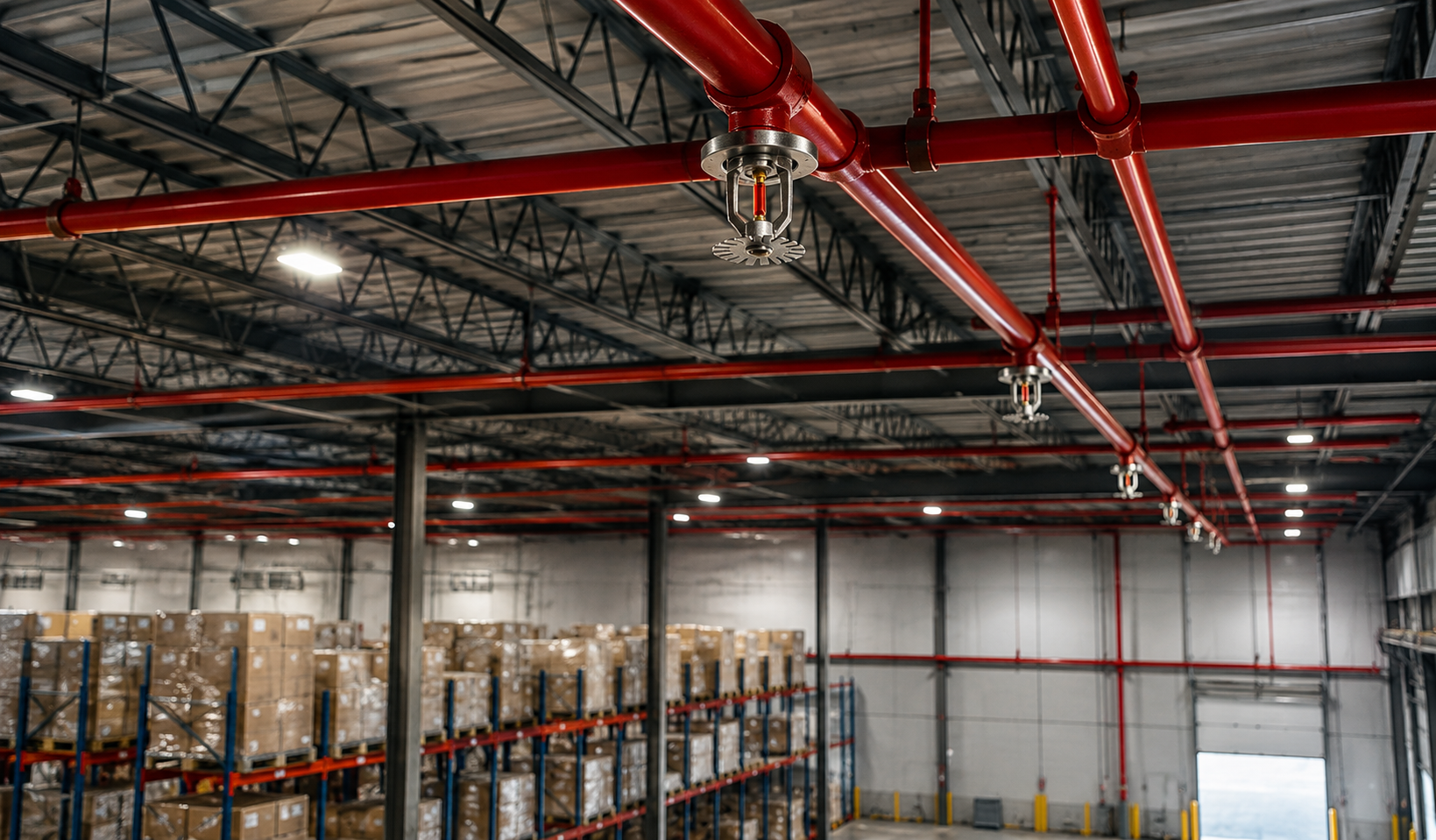
A failed hydrant test often points to a problem with the fire pump or the integrity of the water-based sprinkler system. Our team performs the legally required NFPA 25 testing on your fire pump and sprinkler systems to diagnose and verify their performance.
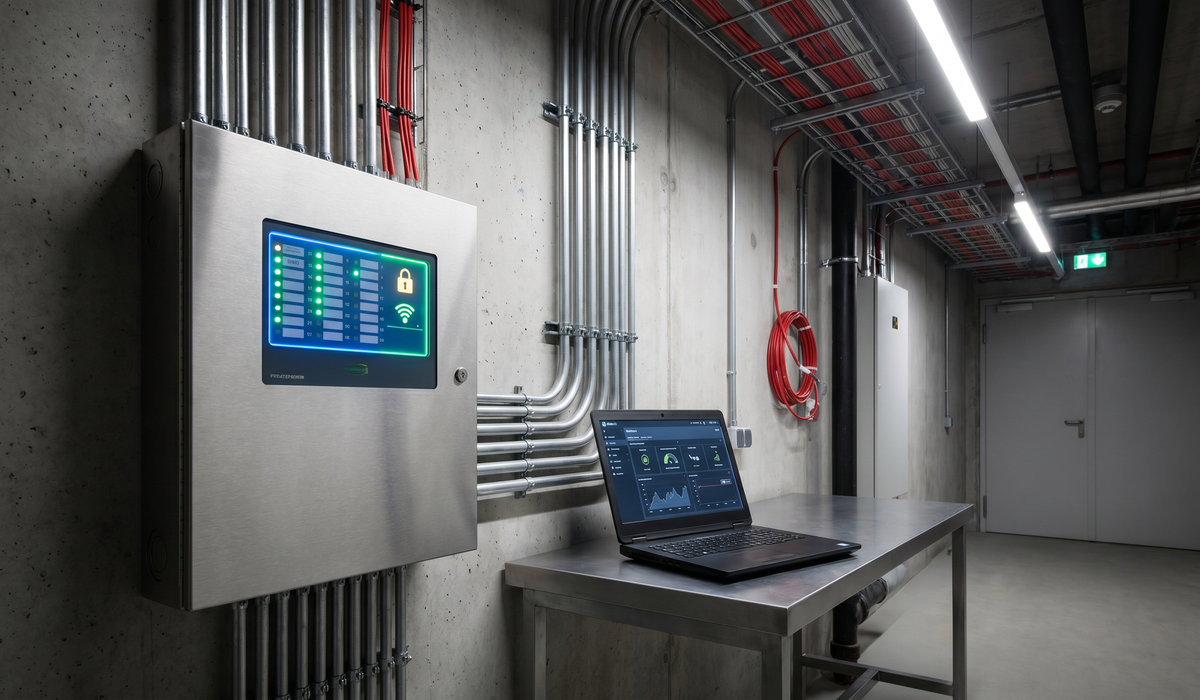
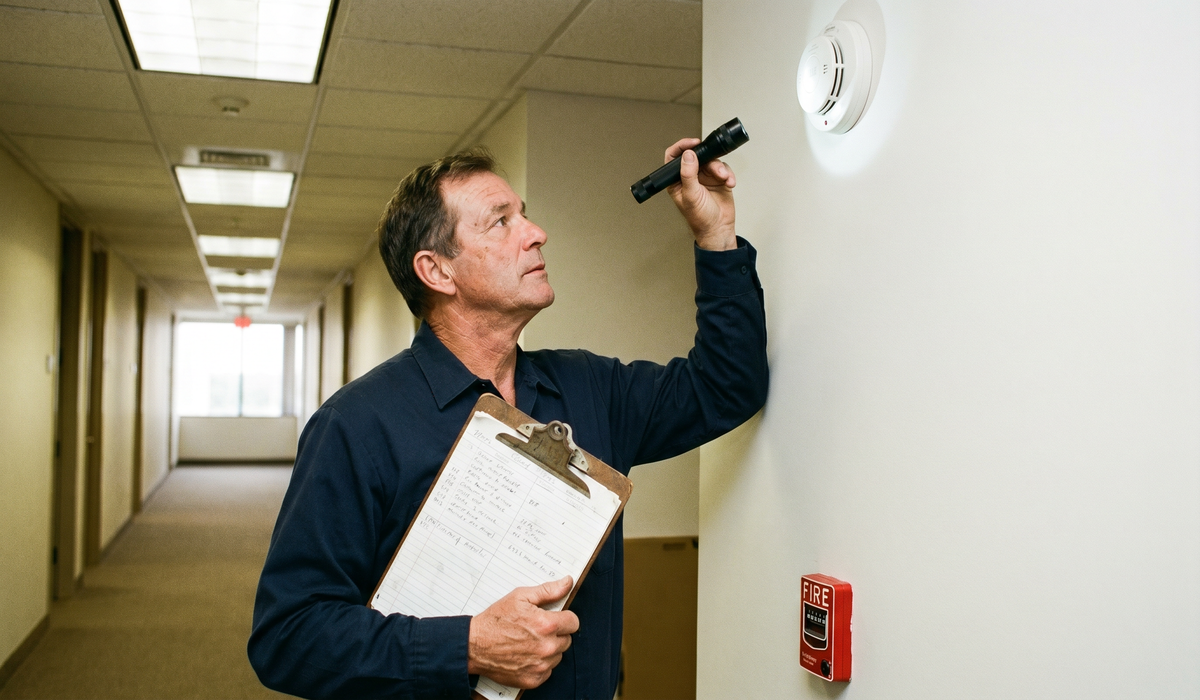
- NFPA 72 Fire Alarm Testing: If your water pressure is low, will your waterflow alarm still trigger correctly? We test your full fire alarm system to ensure that all notification and signaling devices are functioning as designed, keeping you compliant with NFPA 72.
- Deficiency Repair and Management: If the flow test uncovers a problem that has damaged your fire pump or sprinkler system, our technicians can perform the necessary repairs to bring your systems back into compliance.
- Comprehensive Compliance Documentation: We provide you with the detailed reports for your fire alarm and sprinkler system tests, ensuring you have a complete and organized documentation package ready for your next AHJ inspection.
With Fire Testing Solutions, you get a partner who understands how all your fire protection systems work together. We ensure that the results of your hydrant test are properly addressed across your entire property, giving you true peace of mind.
Frequently Asked Questions (FAQs)
1. How long does a 5-year fire hydrant flow test take?
A typical flow test takes about 1-2 hours to complete, depending on the size and complexity of your property’s water system.
2. Will the test disrupt the water supply to my building?
The test may cause a temporary drop in water pressure in the immediate vicinity of the hydrants being tested, but it should not cause a complete water outage.
3. What happens if my hydrants fail the test?
If your hydrants fail to meet the minimum flow and pressure requirements, the report will identify the deficiency. You will then need to hire a qualified contractor to diagnose and repair the underlying issue, which could range from a partially closed valve to a major underground leak.
4. My property only has one fire hydrant. Does it still need to be tested?
Yes. Any private fire hydrant on your property, regardless of how many there are, is subject to the 5-year flow testing requirement.
Don’t Wait for an Inspection – Get Compliant Today
The 5-year fire hydrant flow test is a critical component of your property’s life safety system. It’s a legal requirement, an essential safety measure, and a smart investment in protecting your property. Don’t wait for a notice from the fire marshal to find out you’re out of compliance.
Ready to schedule your 5-year fire hydrant flow test? Contact the experts at Fire Testing Solutions today.
- Book a call:
https://www.firetestingsolutions.com/contact
- Phone Number: 866-757-8378
- Email: service@firetestingsolutions.com
- Address: 700 W. First St, Suite 10, Tustin, CA 92780