
Do You Need a Commercial Fire Alarm Inspection?
Seth Kozlik
In Southern California, including Orange County, commercial properties must adhere to strict regulations regarding fire life safety systems. Regular fire alarm inspections are mandated by law to ensure that fire alarm systems are in proper working order and safeguarding lives in case of an emergency.
But what exactly goes into these inspections, and why are they so vital? Let’s dive deeper.
Compliance with Local Fire Codes
One of the most important reasons for regular fire alarm inspections is to ensure compliance with local and national fire codes. Failure to do so can result in penalties, fines, and in some cases, the temporary closure of the business until the issues are rectified.
Key indicators that a fire alarm needs an inspection
An annual fire alarm inspection schedule is not enough; always be aware of and request an inspection when these warning signs show:
- Unusual System Behavior: False alarms, sensors malfunctioning or a fire alarm system not activating properly could all be red flags that a commercial fire alarm inspection should be initiated.
- Customized Building Structure or Layout: If your commercial or residential property has or is undergoing any renovations, these structural changes can have an impact on the fire alarm systems proper functionality and they would need to be repositioned and recalibrated.
- Outdated Equipment: Every fire alarm system has a limited life span. If your system is over 10 to 15 years old, then now is a good time for a comprehensive inspection to ensure that your fire alarm systems are functioning at 100%.
Age consideration for commercial fire alarm inspections
The older the system, the more you should care.
- Below 5 years old: A fire alarm system below 5 years old is considered new and will be in mostly good working order.
- 5 to 10 years old: Environmental factors (such as the weather) and its usage will have an impact on systems within this age criteria.
- 10 to 15 years old: At this age, fire alarm systems are considered as mid range systems and will need more attention and maintenance for optimal performance.
- 15 to 20 years old: At this point, the system will be showing its age and will need more maintenance and care than its annual inspection.
- Over 20 years old: Once above 20 years old, commercial fire alarms are likely past their lifespan. Be aware, once your system reaches 20 years old and above, it is time to start planning for a new fire alarm installation.
Recommended Time of Year for Annual Inspections
While the NFPA does not mandate a specific time of year for annual fire alarm inspections, it is generally advised that businesses schedule their inspections during the first quarter of the year. By completing inspections early in the year (January to March), business owners can ensure compliance throughout the year and have ample time to address any issues that might arise during the inspection process.
Who Conducts Fire Alarm Inspections?
In most cases, fire alarm inspections are carried out by
local fire departments or authorized fire safety professionals such as Fire Testing Solutions. These professionals conduct detailed assessments of fire life safety systems to ensure they comply with the National Fire Protection Association (NFPA)
standards.
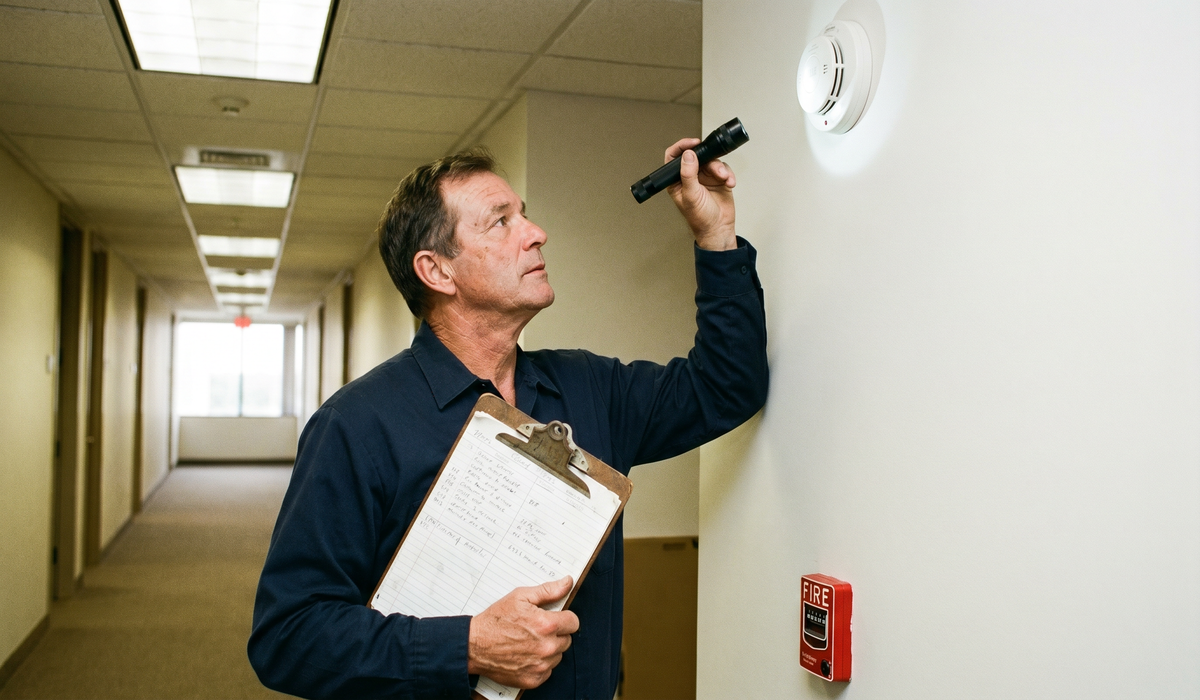
During these inspections, professionals assess the entire fire alarm system to ensure that all components are functioning properly. The goal is to identify any potential issues before they become critical failures that could compromise the safety of the building and its occupants.
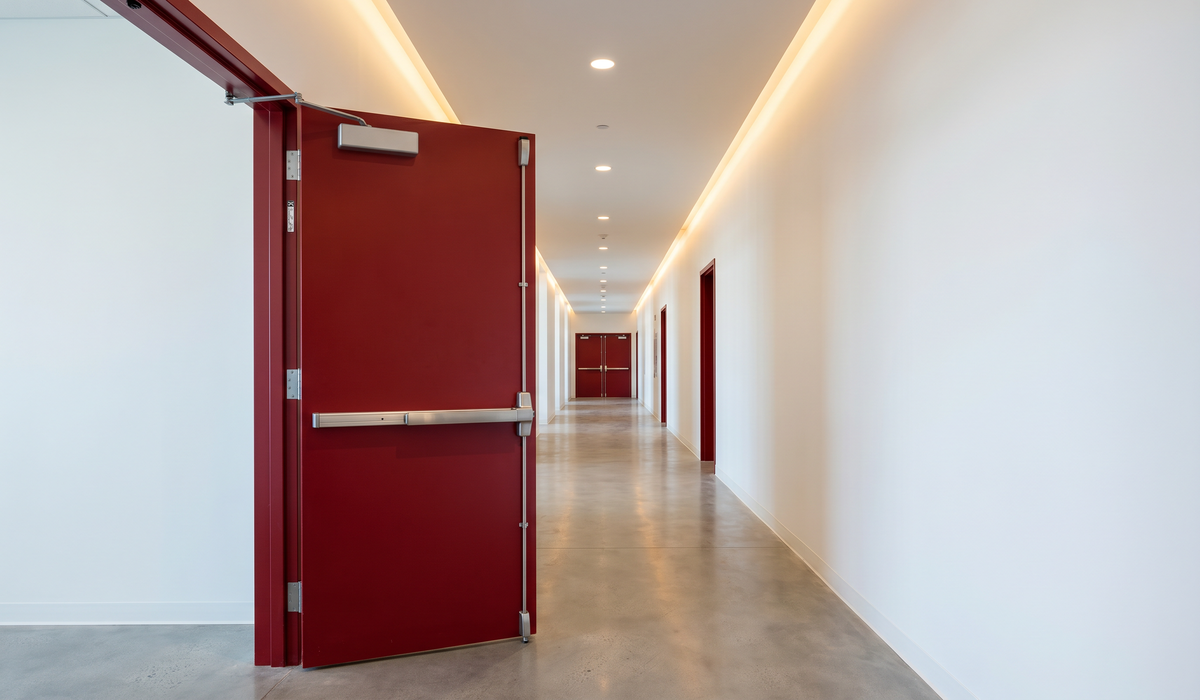
Does your California commercial property need an annual fire door inspection? Learn the NFPA 80 requirements for multifamily, healthcare, office, and industrial buildings.
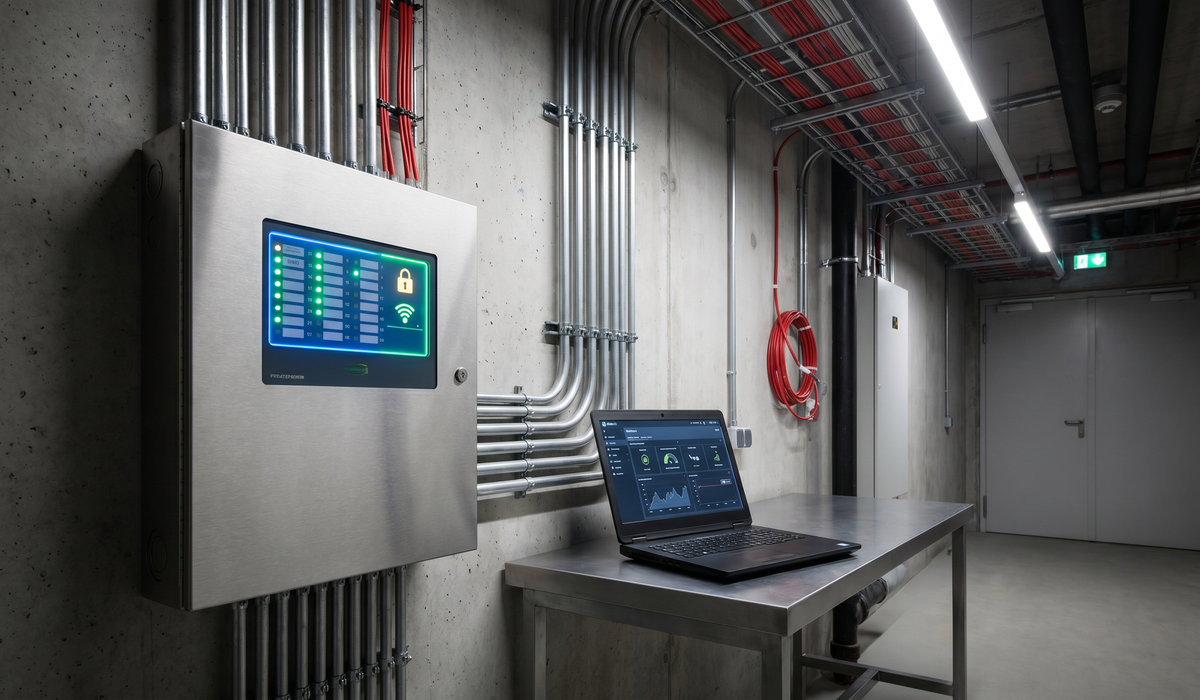
Does your fire alarm vendor use remote access? Learn the strict new NFPA 72 Chapter 23 rules for manual shut-offs, 1-hour timeouts, and on-site qualified personnel.
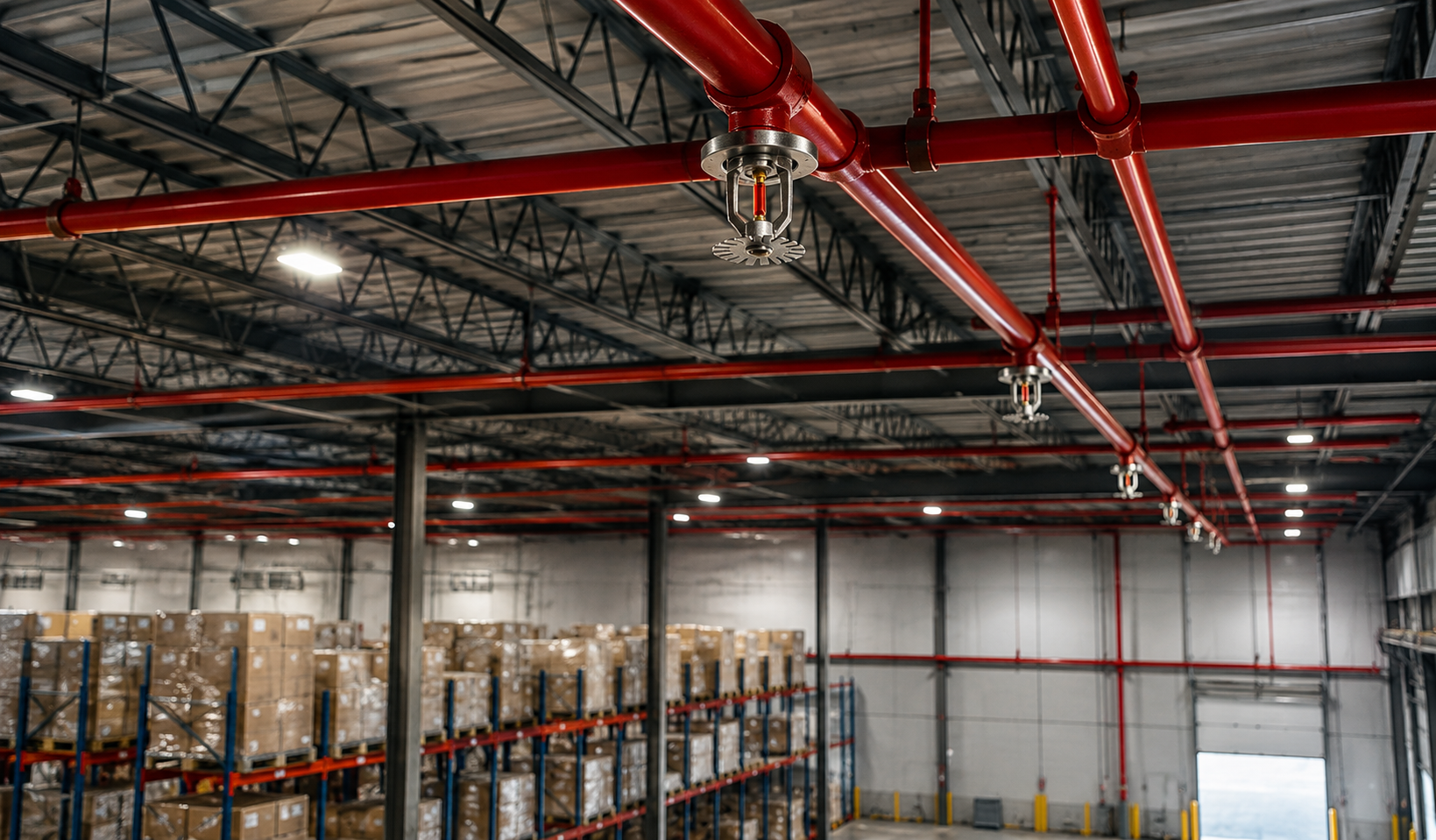
Learn how low water pressure can reduce fire sprinkler performance, increase property damage risk, and impact compliance for California commercial buildings.
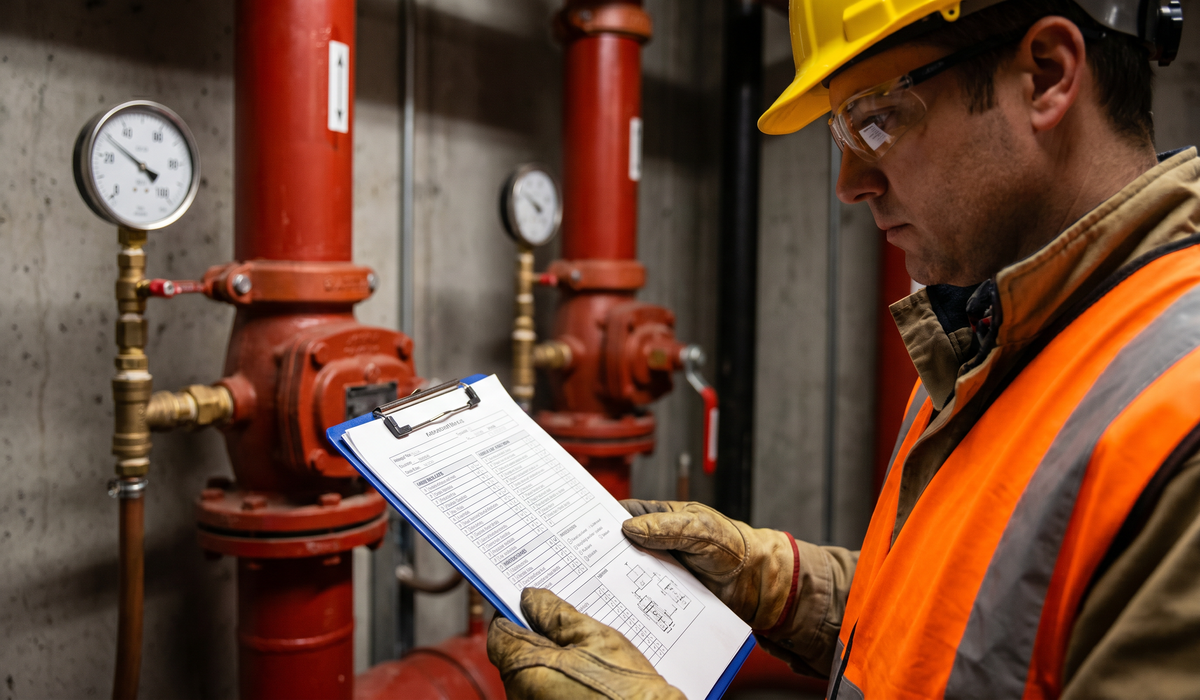
Learn how proper fire system maintenance and NFPA 25 compliance can reduce your commercial property insurance premiums by up to 45% in Southern California.
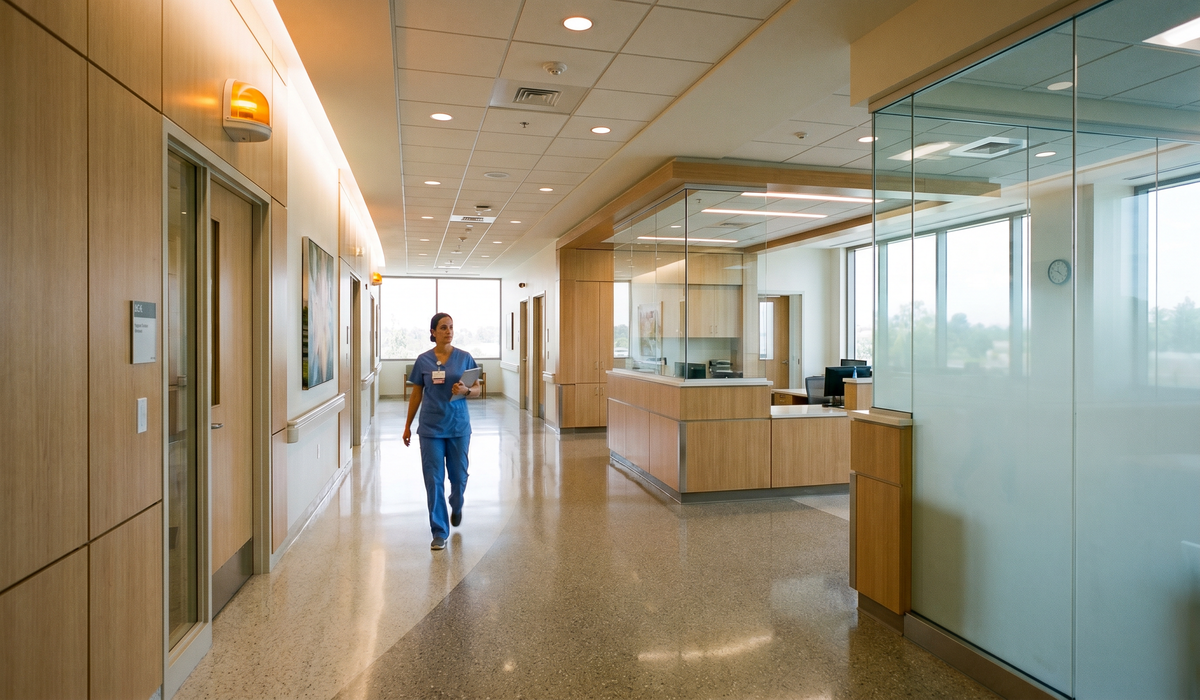
Learn the critical nurse call system compliance requirements for Orange County hospitals, skilled nursing, and assisted living facilities under California Title 22, CBC Section 1224, and UL standards.
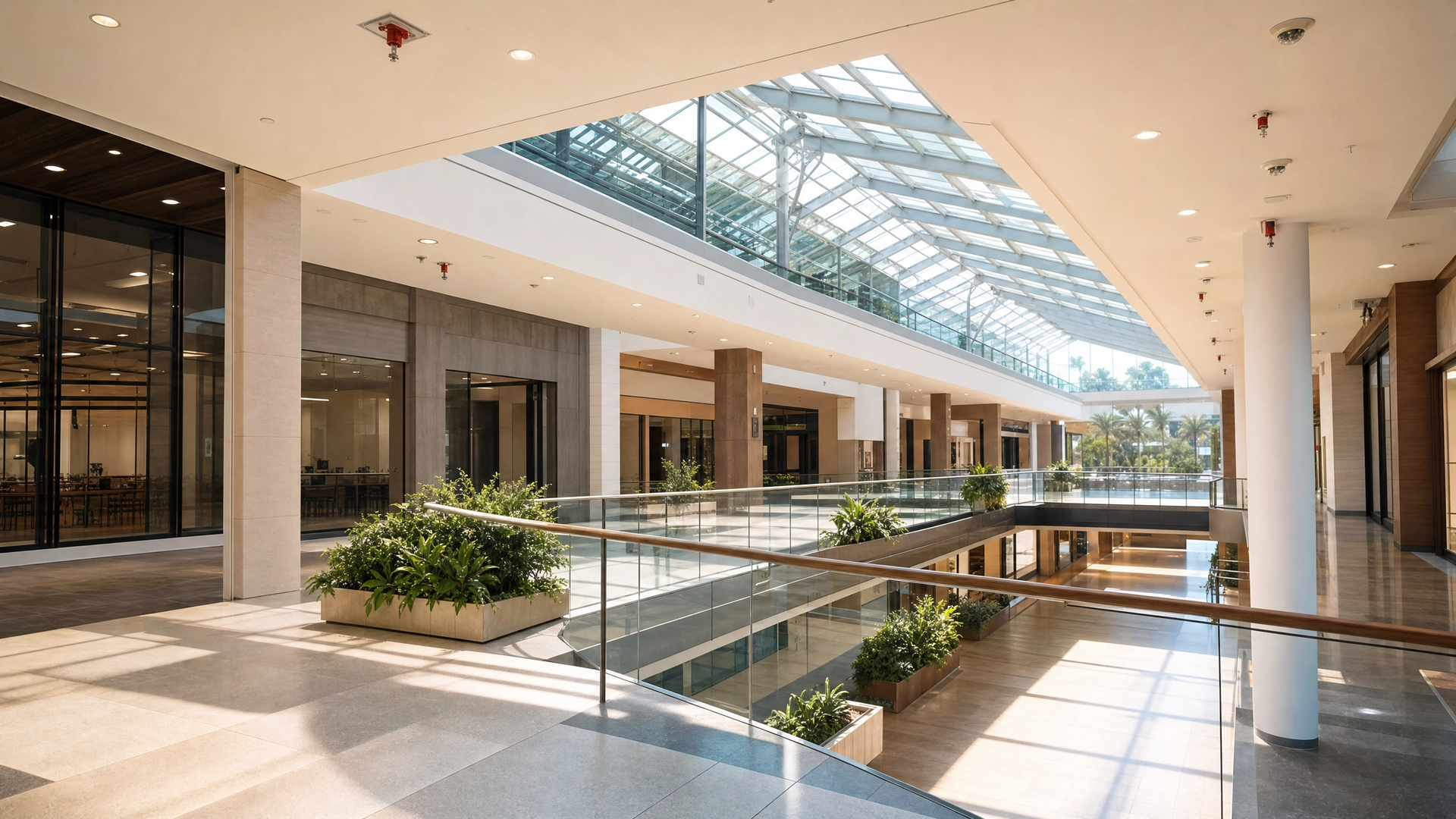
California shopping malls must maintain four integrated fire protection systems to stay compliant: automatic sprinklers, fire alarm and EVACS, smoke control, and means of egress. Learn what each pillar requires under the California Fire Code and NFPA standards.
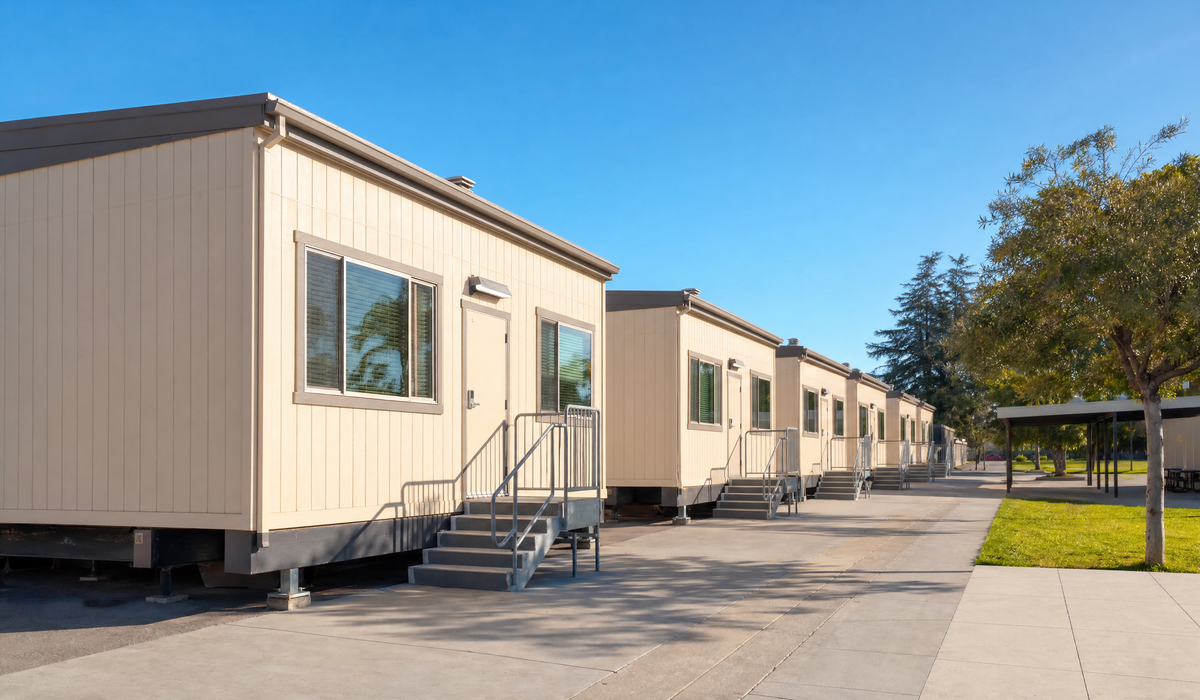
Are your portable classrooms properly integrated into the campus fire alarm system? Learn the DSA 25-foot rule, NFPA 72 testing requirements, and California Fire Code mandates for relocatable school buildings.
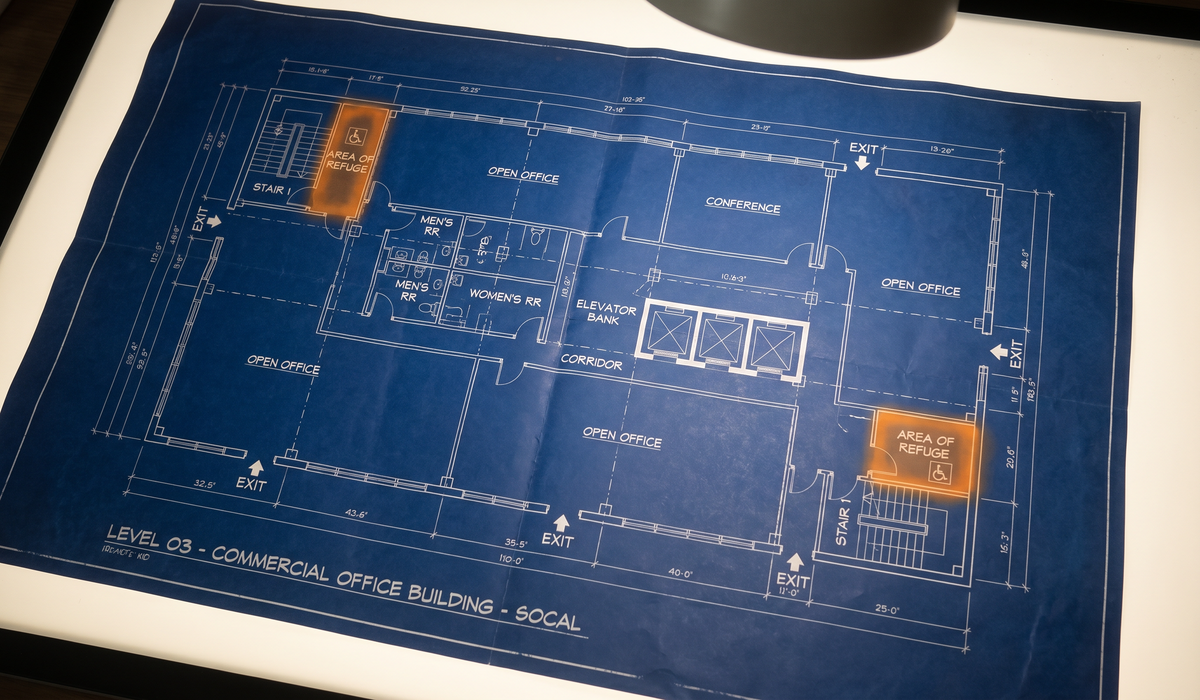
Does your Southern California commercial building legally require an Area of Refuge? Learn which buildings need one under the California Building Code, what the law requires, and how to stay compliant.
Not sure who is responsible for fire alarm compliance in your Southern California commercial property? Learn what California law says about property owners, managers, AHJs, and licensed contractors.