
The Critical Role of Fire Alarm System Maintenance in Reducing False Alarms
Seth Kozlik
The Impact of False Alarms
Fire alarm maintenance plays a vital role in ensuring your fire alarm system is functioning properly and reduces the chances of a false alarm being triggered on your property.
A false alarm can quickly become a major headache for both property managers and tenants.
- Constant Disruption: False alarms repeatedly interrupt tenants' lives, leading to complaints, evacuations, and damage to your property’s reputation.
- Lost Productivity: Each false alarm disrupts business operations, causing downtime, lost revenue, and unnecessary chaos on your property.
- Tenant Dissatisfaction: Tenants quickly lose patience with frequent false alarms, leading to increased tension and a higher likelihood of lease termination or negative reviews.
- Emergency Service Fees: Every unnecessary dispatch of fire services due to a false alarm can result in costly fines and fees from local authorities.
- Increased Liability: Frequent false alarms can lead to complacency, where tenants and staff ignore real emergencies, putting lives and property at risk.
- Costly Repairs: Over time, false alarms indicate potential deeper system failures, which could result in major repair bills if not addressed through proper maintenance.
- Compliance Nightmares: Repeated false alarms could result in non-compliance with fire safety regulations, leading to inspections, fines, and potential legal action.
Benefits of Fire Alarm Maintenance
Proper fire maintenance not only saves you money but also provides peace of mind.
- Increased Safety: The most important aspect of maintenance is ensuring that everyone on your property is safe from an emergency fire event.
- Prevent False Alarms: There is nothing more frustrating than a false alarm to both tenants and property managers. Something as simple as a low battery can cause a false alarm and regular maintenance will minimize these.
- Avoid Expensive Repairs: Regular inspections can help in detecting small issues, that if not fixed early can cause major costly repairs later.
- Peace of Mind: When you know that your tenants are safe and that your property is in compliance, you will sleep better at night. When your fire systems are working property, you will also prevent potential fines and legal issues.
Fire Testing Solutions: Your Fire Alarm Maintenance Partner!
Fire Testing Solutions delivers standout fire alarm system inspection, fire alarm system testing, fire sprinkler system servicing, installations and inspections. We are NICET Certified and our Technicians are experts in the installation and maintenance of Fire Alarm Systems.
Our Strategies:
- Comprehensive Inspection: Our fire alarm system testing and inspections assure property functionality and compliance of all fire systems and includes the testing of sensors, control panels and power backups.
- Periodic Testing and Upkeep: Our professional technicians keep your heat and smoke detectors dust and debris free to prevent false alarm triggers.
- System Calibration: We fine tune your fire alarm systems to ensure responsiveness on real emergencies.
- Fire Alarm Monitoring: Fire Testing Solutions offers 24/7 surveillance with enhanced fire alarm monitoring services that guarantee instant notification and response in emergency situations.
Contact us
today and get a free quote for your fire systems.
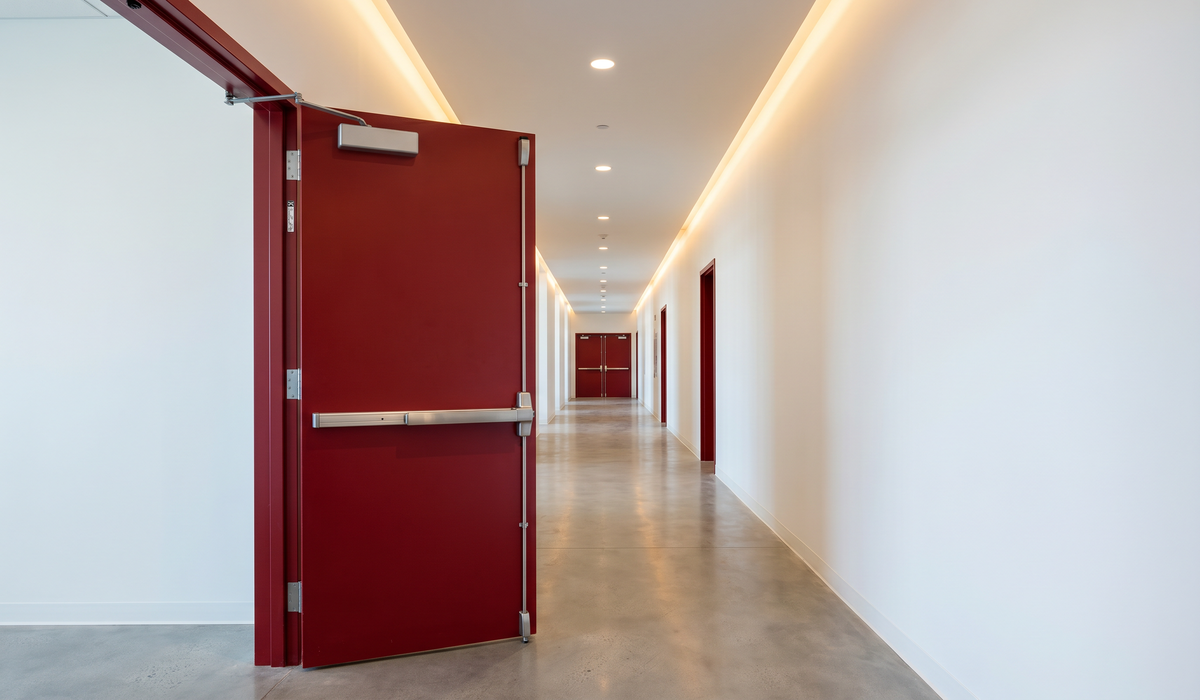
Does your California commercial property need an annual fire door inspection? Learn the NFPA 80 requirements for multifamily, healthcare, office, and industrial buildings.
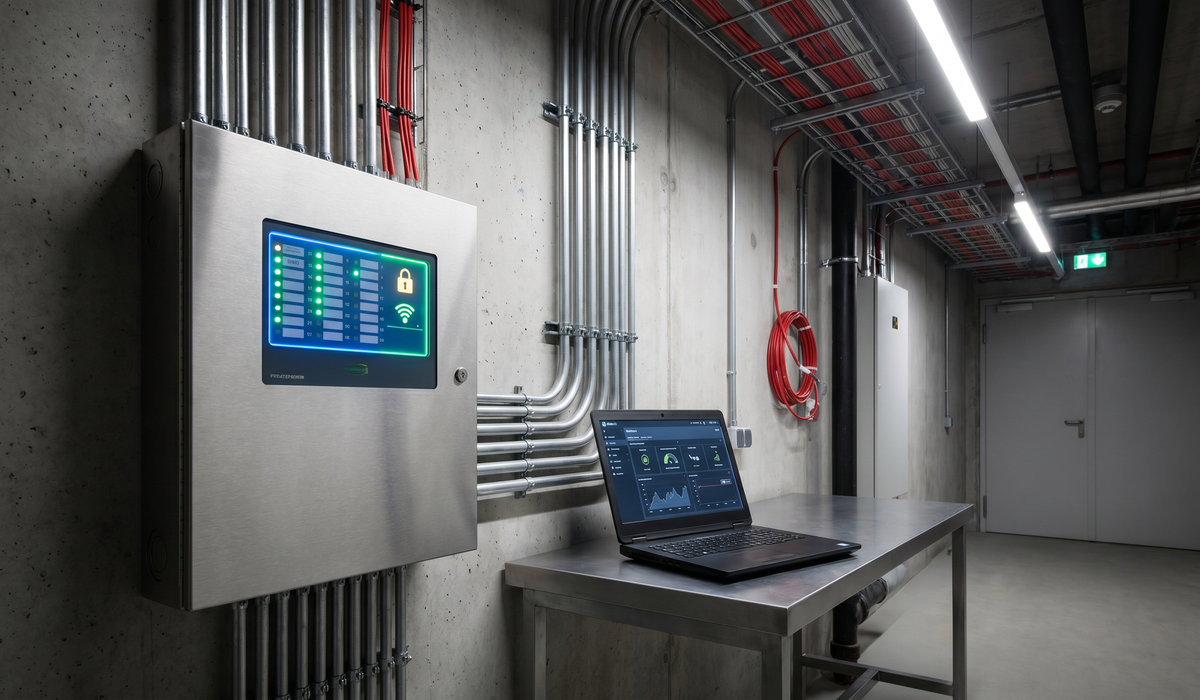
Does your fire alarm vendor use remote access? Learn the strict new NFPA 72 Chapter 23 rules for manual shut-offs, 1-hour timeouts, and on-site qualified personnel.
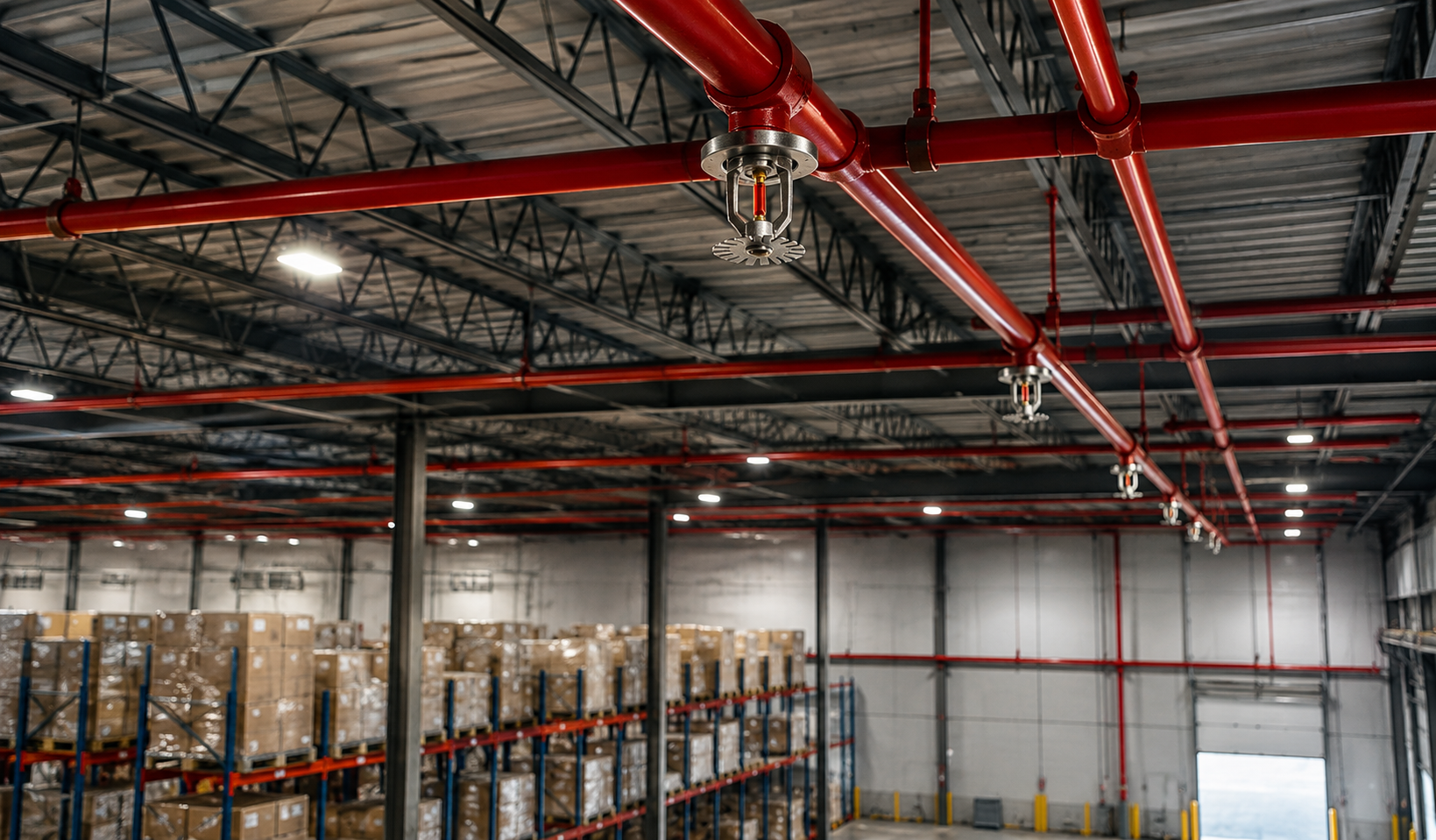
Learn how low water pressure can reduce fire sprinkler performance, increase property damage risk, and impact compliance for California commercial buildings.
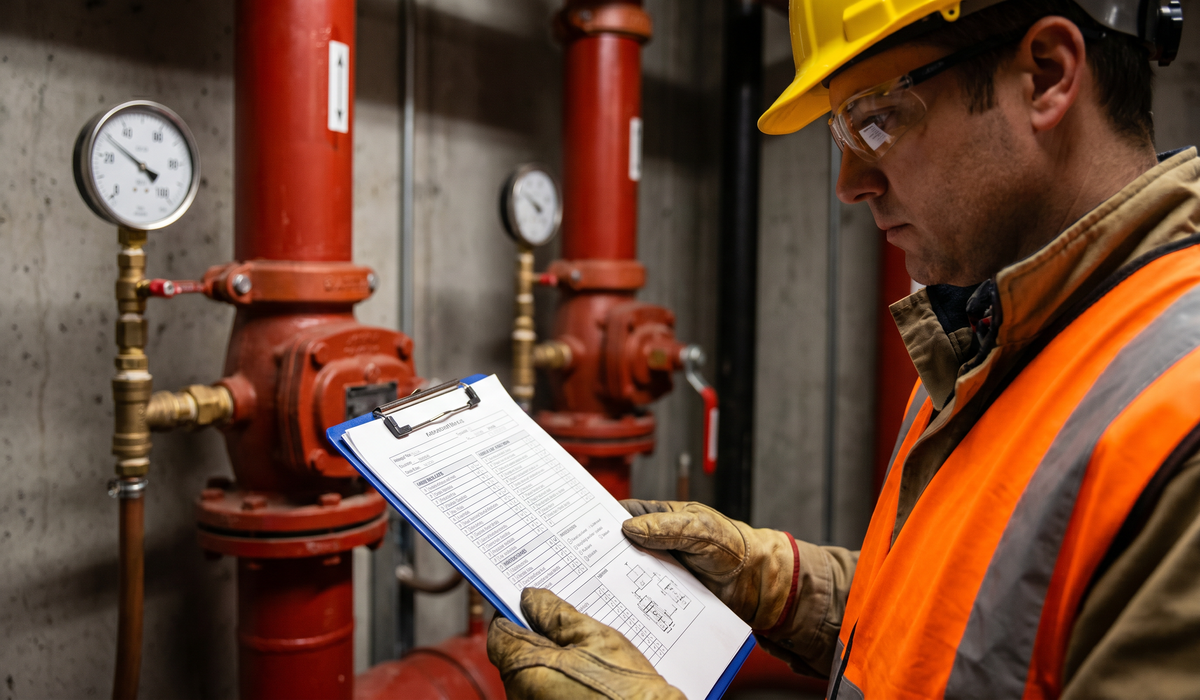
Learn how proper fire system maintenance and NFPA 25 compliance can reduce your commercial property insurance premiums by up to 45% in Southern California.
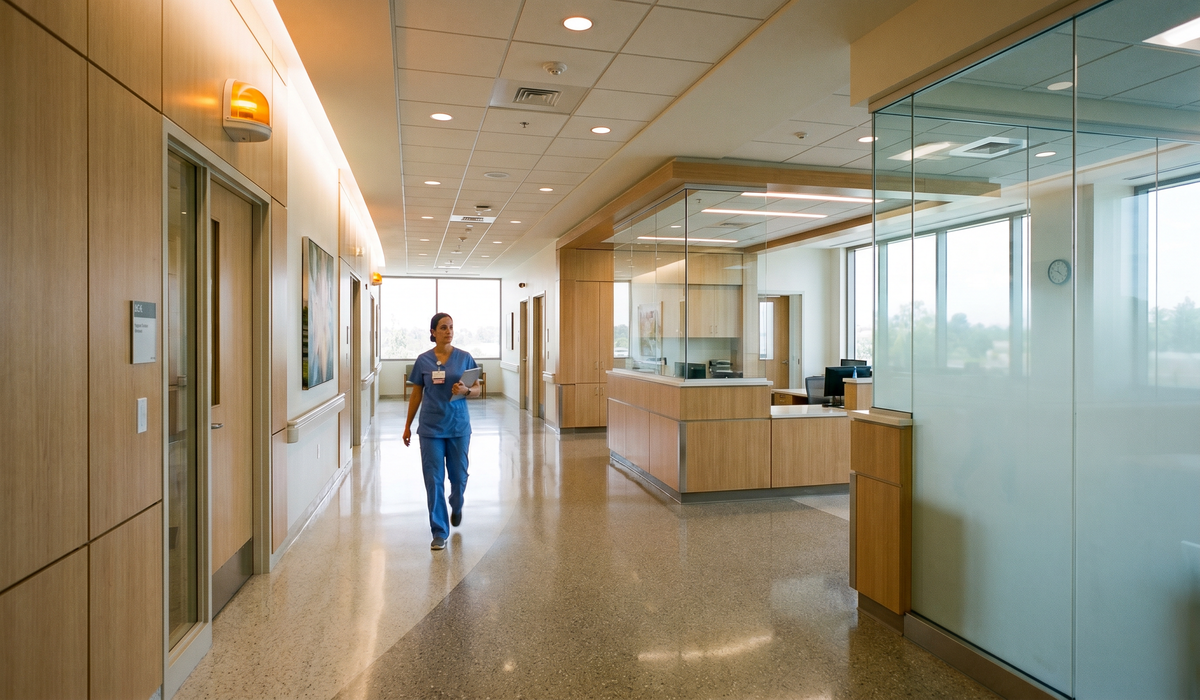
Learn the critical nurse call system compliance requirements for Orange County hospitals, skilled nursing, and assisted living facilities under California Title 22, CBC Section 1224, and UL standards.

California shopping malls must maintain four integrated fire protection systems to stay compliant: automatic sprinklers, fire alarm and EVACS, smoke control, and means of egress. Learn what each pillar requires under the California Fire Code and NFPA standards.

Are your portable classrooms properly integrated into the campus fire alarm system? Learn the DSA 25-foot rule, NFPA 72 testing requirements, and California Fire Code mandates for relocatable school buildings.
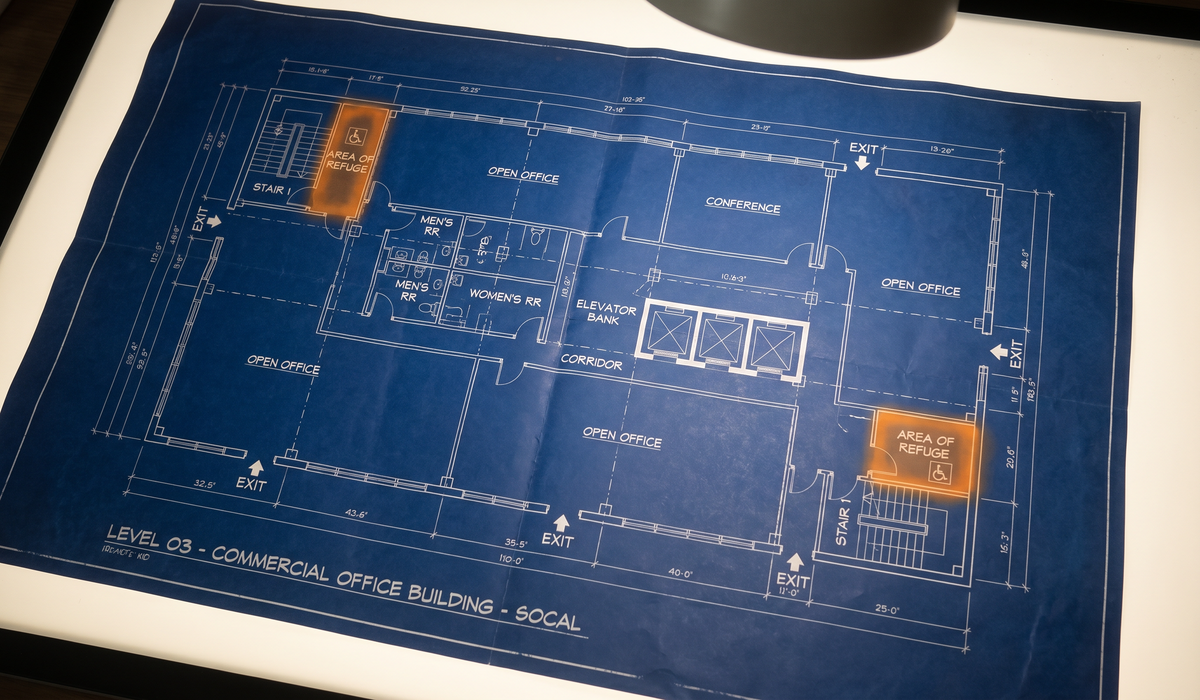
Does your Southern California commercial building legally require an Area of Refuge? Learn which buildings need one under the California Building Code, what the law requires, and how to stay compliant.
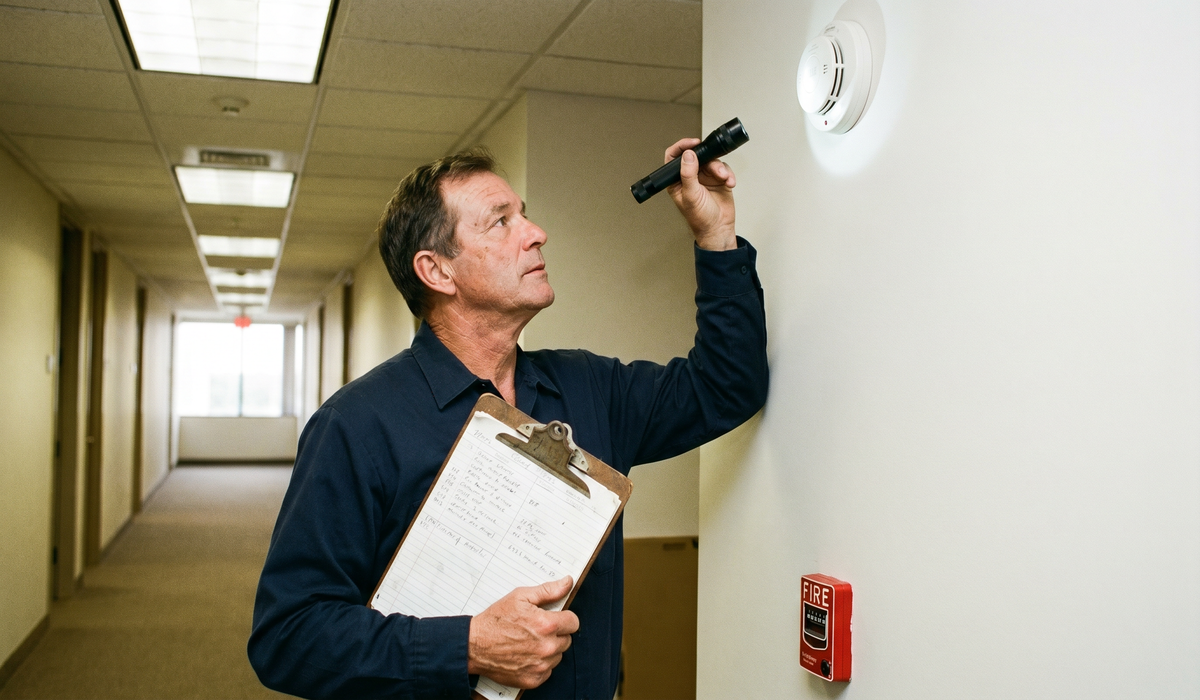
Not sure who is responsible for fire alarm compliance in your Southern California commercial property? Learn what California law says about property owners, managers, AHJs, and licensed contractors.