Avoid $5,000 Fines: California Fire Sprinkler Inspection Laws
- Fines range from $500 to $5,000 per violation
- Over 39 million Californians live in fire-prone areas
- Insurance coverage can be reduced or eliminated for non-compliance
Understanding California Title 19: The Foundation of Fire Sprinkler Law
California Title 19 serves as the state's comprehensive fire protection regulation, establishing mandatory standards for fire sprinkler inspection, testing, and maintenance throughout the state.
Key Title 19 Requirements:
- All commercial and industrial buildings with fire sprinkler systems must undergo regular inspections
- Inspections must be performed by certified professionals with C-16 Fire Protection License
- Must follow both NFPA 25 standards AND California-specific enhancements
- Enhanced safety measures address California's unique fire risks (wildfires, seismic activity)
What is California Title 19 for fire sprinklers?
Title 19 is California's state regulation that governs the inspection, testing, and maintenance of water-based fire protection systems. It establishes minimum standards that exceed federal requirements to address California's elevated fire risks.
Need help understanding Title 19 requirements for your property?
Fire Testing Solutions' certified experts provide free compliance consultations.
Call
(866) 757-8378 or
Book Your Free Assessment today.
How Title 19 Differs from NFPA 25: Key California-Specific Requirements
While NFPA 25 provides the national foundation, California Title 19 adds several enhanced requirements that property owners must understand.
| Requirement Category | NFPA 25 Standard | California Title 19 Enhancement |
|---|---|---|
| Seismic Safety | Basic structural requirements | Enhanced bracing and connection inspections |
| Wildfire Protection | Standard fire protection | Additional requirements for wildland-urban interface zones |
| Documentation | Standard reporting | Stricter documentation and record-keeping standards |
| Testing Frequency | Standard schedules | Accelerated testing in high-risk areas |
| Inspector Licensing | Various state requirements | Mandatory C-16 Fire Protection License |
How does California Title 19 differ from NFPA 25?
The primary differences include enhanced seismic safety requirements, stricter documentation standards, and additional testing protocols for properties in high-risk fire zones.
Annual Fire Sprinkler Inspection Requirements
Under Title 19
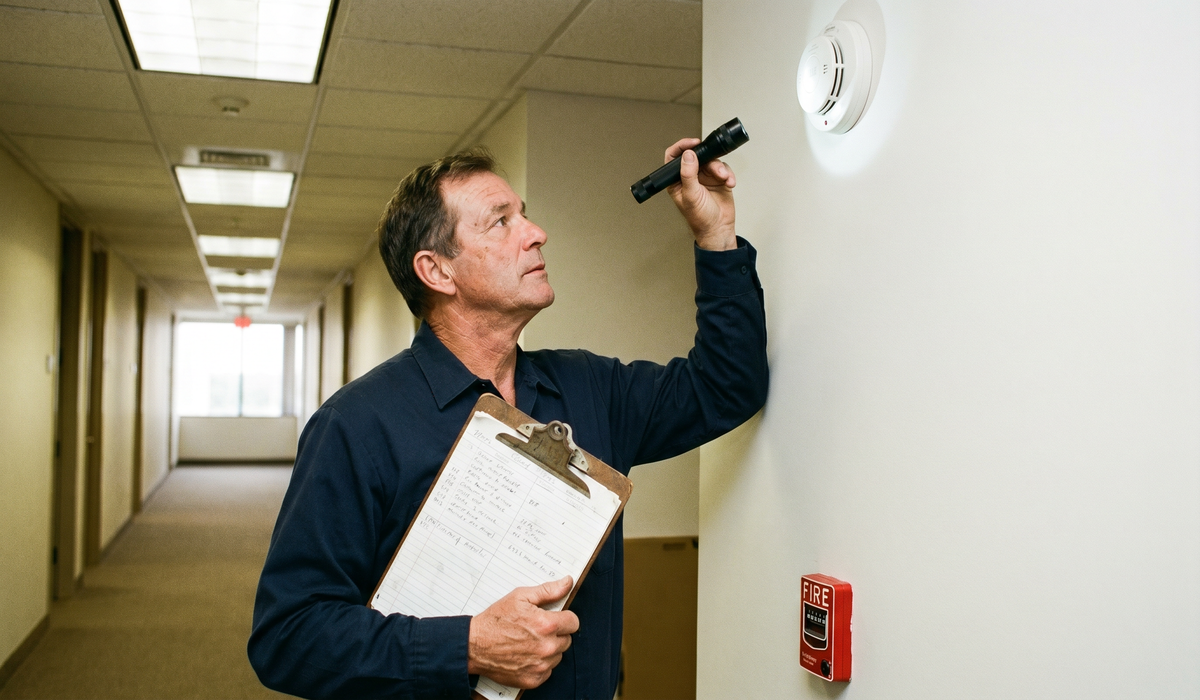
Annual fire sprinkler inspection represents the cornerstone of California's compliance framework. These comprehensive evaluations must occur within a 15-month window.
Annual Inspection Checklist:
✅
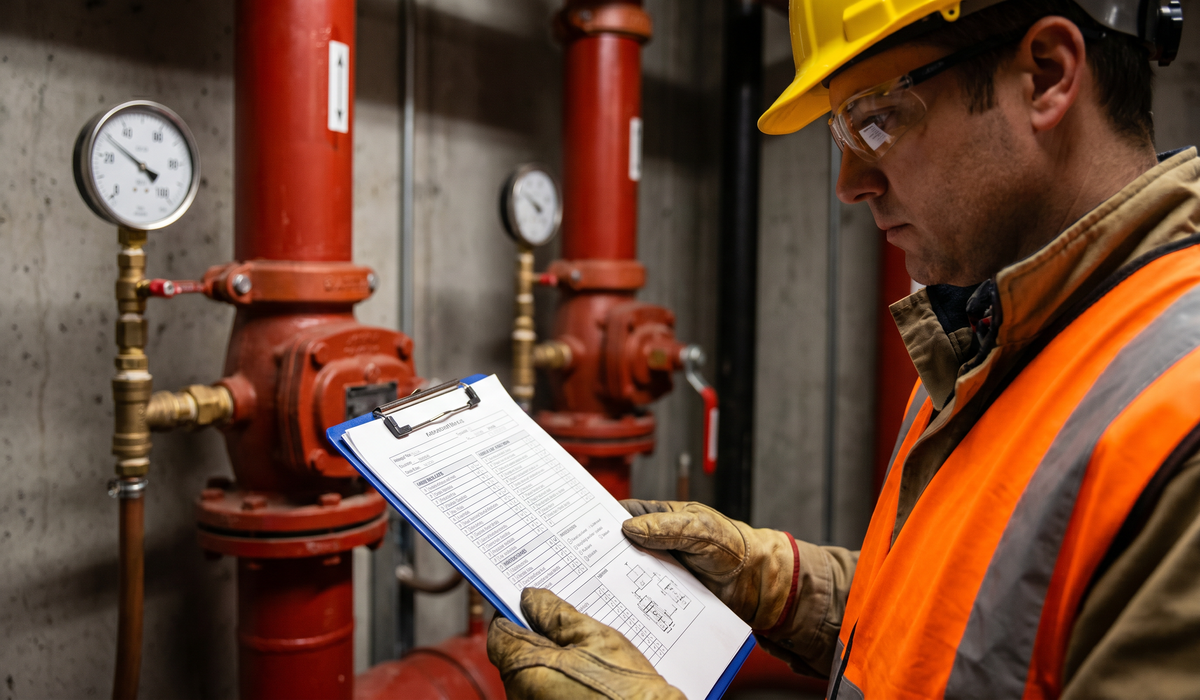
Main drain flow testing - Verifies adequate water supply and pressure
✅
Alarm device testing - Ensures all notification systems function properly
✅
Control valve inspection - Confirms all valves operate correctly and remain accessible
✅
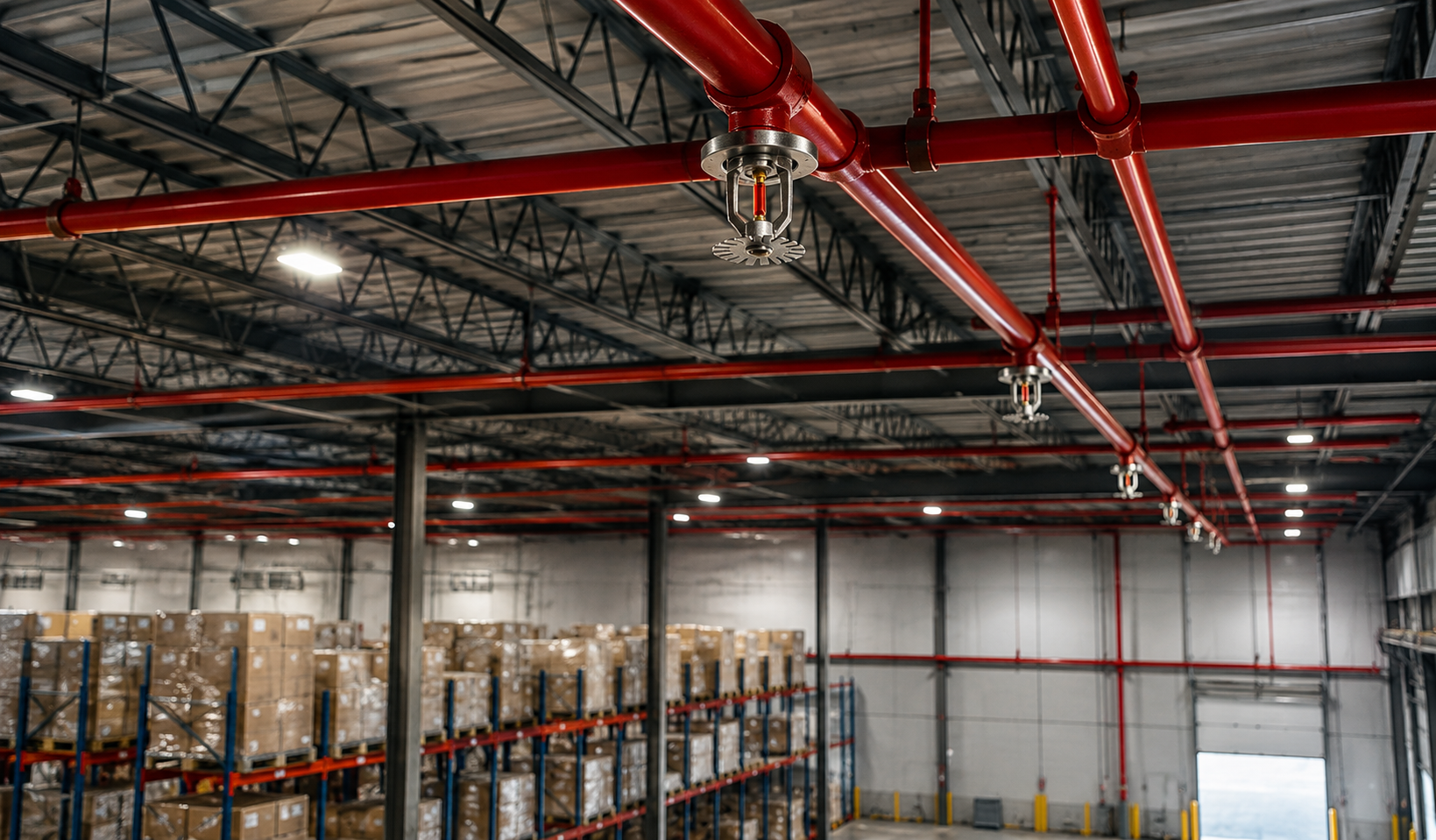
Sprinkler head examination - Visual inspection for damage, corrosion, or obstruction
✅
System documentation review - Verification of maintenance records and previous reports
Inspection Timeline & Costs:
- Duration: 2-4 hours for standard commercial buildings
- Cost Range: $300-$800 depending on system size and complexity
- Frequency: Must occur within 15-month window (most schedule annually)
How often are fire sprinkler inspections required in California?
California requires annual inspections for most commercial fire sprinkler systems, with additional monthly, quarterly, and 5-year testing requirements depending on system type and building occupancy.
Ready to schedule your annual fire sprinkler inspection?
Fire Testing Solutions serves all of Southern California with certified technicians and 40+ years of experience.
Call (866) 757-8378 or
Get A Free Quote
5-Year Fire Sprinkler Inspection: California's Enhanced Standards
Every five years, California Title 19 mandates comprehensive fire sprinkler inspection that goes far beyond annual requirements.
5-Year Inspection Components:
| Inspection Type | What's Included | Why It Matters |
|---|---|---|
| Obstruction Investigation | Internal pipe inspection using cameras or flow testing | Prevents system failure due to blockages |
| Gauge Testing & Replacement | All system gauges tested and replaced if necessary | Ensures accurate pressure monitoring |
| Dry System Trip Testing | Complete operational testing of dry and pre-action systems | Verifies rapid water delivery in emergencies |
| Fire Pump Backflow Preventer Testing Performance | Comprehensive evaluation of pump capacity and reliability | Confirms adequate water pressure and flow |
| Backflow Preventer Testing | Ensures contamination prevention systems function | Protects public water supply |
What documentation is required for Title 19 compliance?
California requires:
- Detailed inspection reports
- Test certificates
- Maintenance records
- Proof of technician licensing
- All documentation retained for minimum 3 years
Overdue for your 5-year comprehensive inspection?
Don't risk violations. Fire Testing Solutions provides complete 5-year testing with detailed documentation.
Email service@firetestingsolutions.com or Schedule Your Comprehensive Evaluation today.
What Happens If You Fail Fire Sprinkler Inspection in California
Failing a fire sprinkler inspection in California triggers serious consequences that can significantly impact your business operations and finances.
Immediate Consequences:
🚨
Notice of Violation - Official documentation of non-compliance issues
⏰
Correction Timeline - Typically 30-90 days to address identified problems
🔍
Re-inspection Requirements - Additional inspections to verify corrections
💰 Potential Fines - $500-$5,000 per violation, depending on severity
Insurance Impact:
- Many commercial policies include fire safety violation clauses
- Coverage can be reduced or eliminated for outstanding violations
- Property owners face massive liability exposure
- Premium increases for properties with violation history
What are the penalties for non-compliance with Title 19?
Penalties range from warning notices for minor violations to significant fines and potential business closure for serious safety violations. Repeat offenders face escalating penalties and increased fire marshal scrutiny.
Facing a failed inspection or urgent compliance issue?
Fire Testing Solutions provides rapid response repairs and emergency compliance services.
📞 Call (866) 757-8378 for immediate assistance - available when you need us most.
How to Prepare for Fire Sprinkler Inspection: Title 19 Compliance Checklist
Proper preparation significantly improves your chances of passing fire sprinkler inspection while minimizing business disruption.
Preparation Timeline:
Phase 1 - One Month Ahead:
- Schedule your inspection with a certified contractor
- Collect all previous inspection reports and maintenance records
- Make sure all system areas are accessible
Phase 2 - One Week Ahead:
- Check that all control valves are in the correct position
- Inspect sprinkler heads for any obstructions or damage
- Verify all gauge readings are within normal operating ranges
Phase 3 - Inspection Day:
- Have all system documentation ready for the inspector
- Assign a knowledgeable team member to accompany the inspector
- Be prepared for brief water service interruption during testing
Pre-Inspection Checklist:
✅ All sprinkler heads free from paint, damage, or obstructions
✅ Control valves accessible and in correct position
✅ Gauge readings within normal operating ranges
✅ Fire department connections clear and accessible
✅ Previous inspection reports and maintenance records organized
✅ System documentation up to date
Want to ensure you pass your inspection on the first try?
Fire Testing Solutions offers pre-inspection consultations and preparation guidance.
Contact us at
service@firetestingsolutions.com or
Book Your Preparation Consultation.
Staying Ahead of California Fire Safety Regulations
California continues to evolve its fire safety requirements in response to changing risks and new technologies.
Recent Title 19 Updates:
- Enhanced requirements for wildland-urban interface zones
- Updated standards for smart fire protection systems
- Stricter documentation for high-risk properties
- New seismic safety protocols
Who can perform fire sprinkler inspections in California?
Only contractors holding a valid C-16 Fire Protection License can perform fire sprinkler inspections in California. These professionals must:
- Complete ongoing education requirements
- Maintain current certifications
- Stay updated on evolving regulations
- Carry appropriate insurance and bonding
Proactive Compliance Benefits:
- Prevent small issues from becoming costly violations
- Maintain insurance coverage and favorable rates
- Protect tenant safety and reduce liability
- Preserve property value and marketability
Looking for a reliable, certified inspection partner? Fire Testing Solutions holds all required C-16 licensing and certifications, with trained technicians serving properties throughout Southern California.
Visit our office at 700 W. First St, Suite 10, Tustin, CA 92780 or
Contact Our Certified Team.
Cost-Effective Compliance Strategies
Smart property managers use strategic approaches to manage fire sprinkler inspection costs while maintaining full compliance.
Money-Saving Tips:
💰
Annual Service Contracts - Save 15-25% compared to individual inspections
📅
Preventive Maintenance - Address issues before they become violations
📋
Proper Documentation - Avoid re-inspection fees with complete records
🔧
Regular System Checks - Catch problems early to prevent emergency repairs
Investment vs. Risk Analysis:
- Annual inspection cost: $300-$800
- Violation fines: $500-$5,000 per issue
- Insurance premium increases: 10-50% for non-compliant properties
- Emergency repair costs: $1,000-$10,000+ depending on issue severity
Ready to save money with a comprehensive annual service plan?
Fire Testing Solutions offers competitive pricing and satisfaction-guaranteed service.
Call (866) 757-8378 or
Get Your Custom Service Quote and see how much you can save.
Conclusion
California Title 19 fire sprinkler inspection requirements represent some of the most comprehensive safety standards in the nation. Understanding these requirements—from annual inspections to 5-year comprehensive evaluations—helps property managers maintain compliance while avoiding costly penalties.
Key Takeaways:
- Title 19 exceeds federal NFPA 25 standards with California-specific enhancements
- Annual and 5-year inspections are mandatory for commercial properties
- Proper preparation significantly improves inspection success rates
- Working with certified C-16 contractors ensures compliance and quality
The key to successful Title 19 compliance lies in working with certified professionals who understand both state requirements and local jurisdiction variations. By staying proactive about fire sprinkler inspection and maintenance, you protect your property investment while ensuring the safety of everyone who enters your building.
Don't leave your fire safety compliance to chance. Fire Testing Solutions specializes in California Title 19 requirements and has helped thousands of Southern California properties achieve and maintain compliance with our 40+ years of combined experience.
Call (866) 757-8378, email service@firetestingsolutions.com, or Schedule Your Consultation Today and get peace of mind knowing your property meets all California fire safety standards.