The Ultimate Guide to Commercial Property Compliance: Codes, Codes, and Staying Legal
Navigating the maze of California fire codes doesn't have to be a nightmare. Here is your roadmap to staying compliant, protecting your property, and avoiding costly fines.
If you manage a commercial property in Southern California, you already know the feeling. A notice arrives from the local fire authority, or an insurance renewal is looming, and suddenly you are staring down a mountain of acronyms: NFPA 72, Title 19, CFC Chapter 9.
The fear of being non-compliant—and the massive fines and liability that come with it—is a constant source of stress. But it doesn't have to be.
This ultimate guide breaks down commercial property compliance into simple, actionable steps. We will translate the complex legal jargon into plain English, explain exactly what your building needs, and show you how staying compliant can actually simplify your operations and protect your bottom line.
The Foundation: Understanding the Big Three
Before we dive into specific inspection schedules, you need to understand the three main pillars of fire and life safety compliance in California. Think of these as the rulebooks that govern your property.
1. The National Fire Protection Association (NFPA) Standards
The NFPA writes the technical standards for how fire protection systems should be built, installed, and maintained. While they are a national organization, California adopts these standards into law.
The two most critical standards for property managers are:
- NFPA 25:
The standard for the Inspection, Testing, and Maintenance (ITM) of water-based fire protection systems (your fire sprinklers).
- NFPA 72: The National Fire Alarm and Signaling Code (your fire alarms and smoke detectors).
2. The California Fire Code (CFC)
The CFC is the state-specific law that dictates fire safety. Chapter 9 of the CFC specifically governs "Fire Protection and Life Safety Systems." It outlines when and where systems like sprinklers and alarms are required based on the type of building you manage (e.g., a warehouse vs. an office building).
3. Title 19 of the California Code of Regulations
Title 19 is where the rubber meets the road for maintenance. It establishes the legal frequencies for how often your systems must be inspected and tested by a licensed professional.
The Takeaway: The NFPA tells you
how a system should work, the CFC tells you
if you need it, and Title 19 tells you
how often you must test it.
The Compliance Calendar: What Needs Testing and When?
The most common reason property managers fall out of compliance is simply losing track of the testing schedule. Here is a simplified breakdown of your legal obligations under California law.
The Annual Requirements
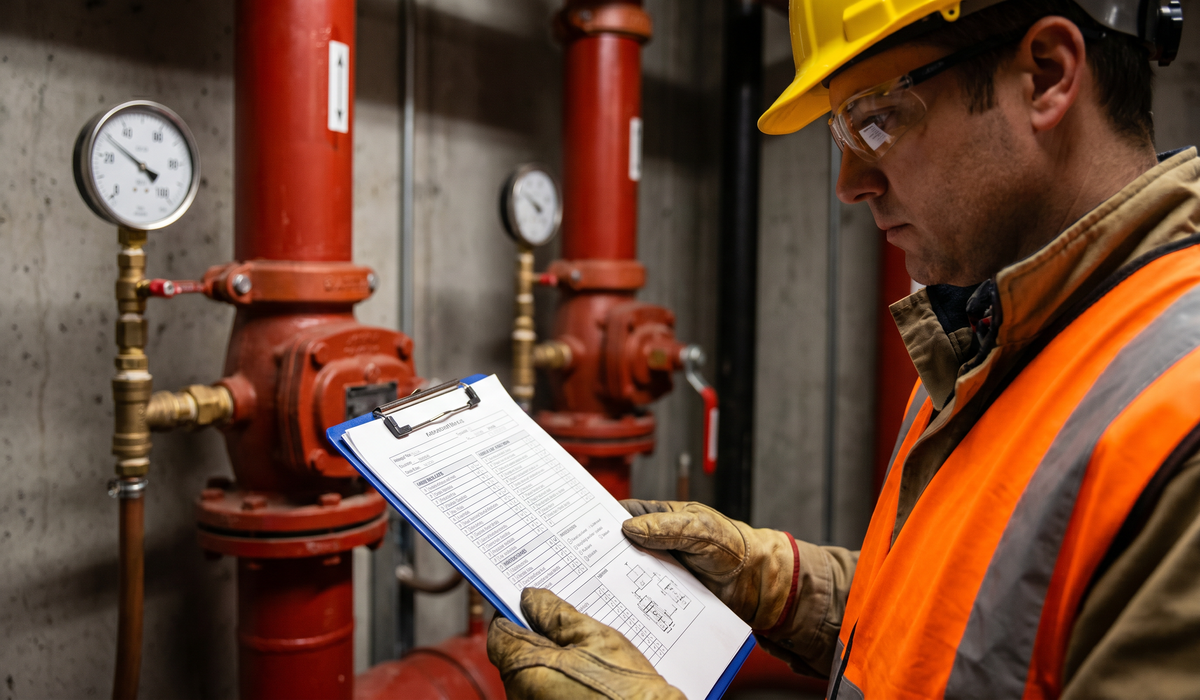
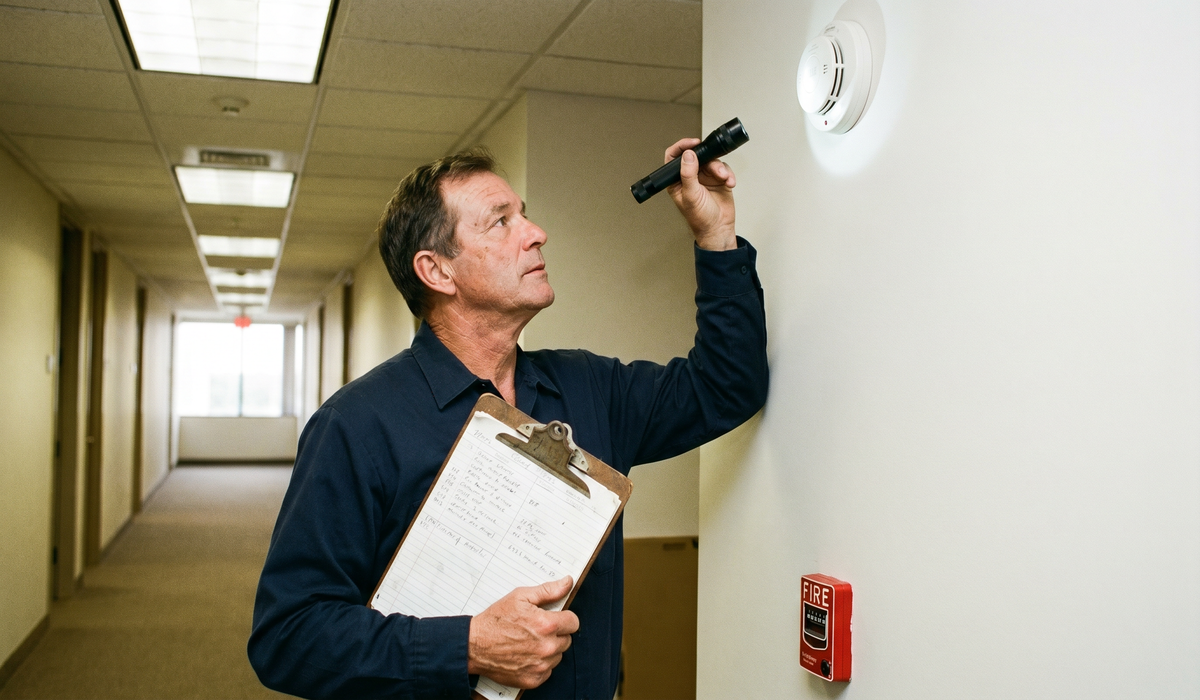
Every commercial building in California must undergo a comprehensive annual inspection of its fire and life safety systems. This is not a quick visual check; it is a functional test performed by a licensed technician.
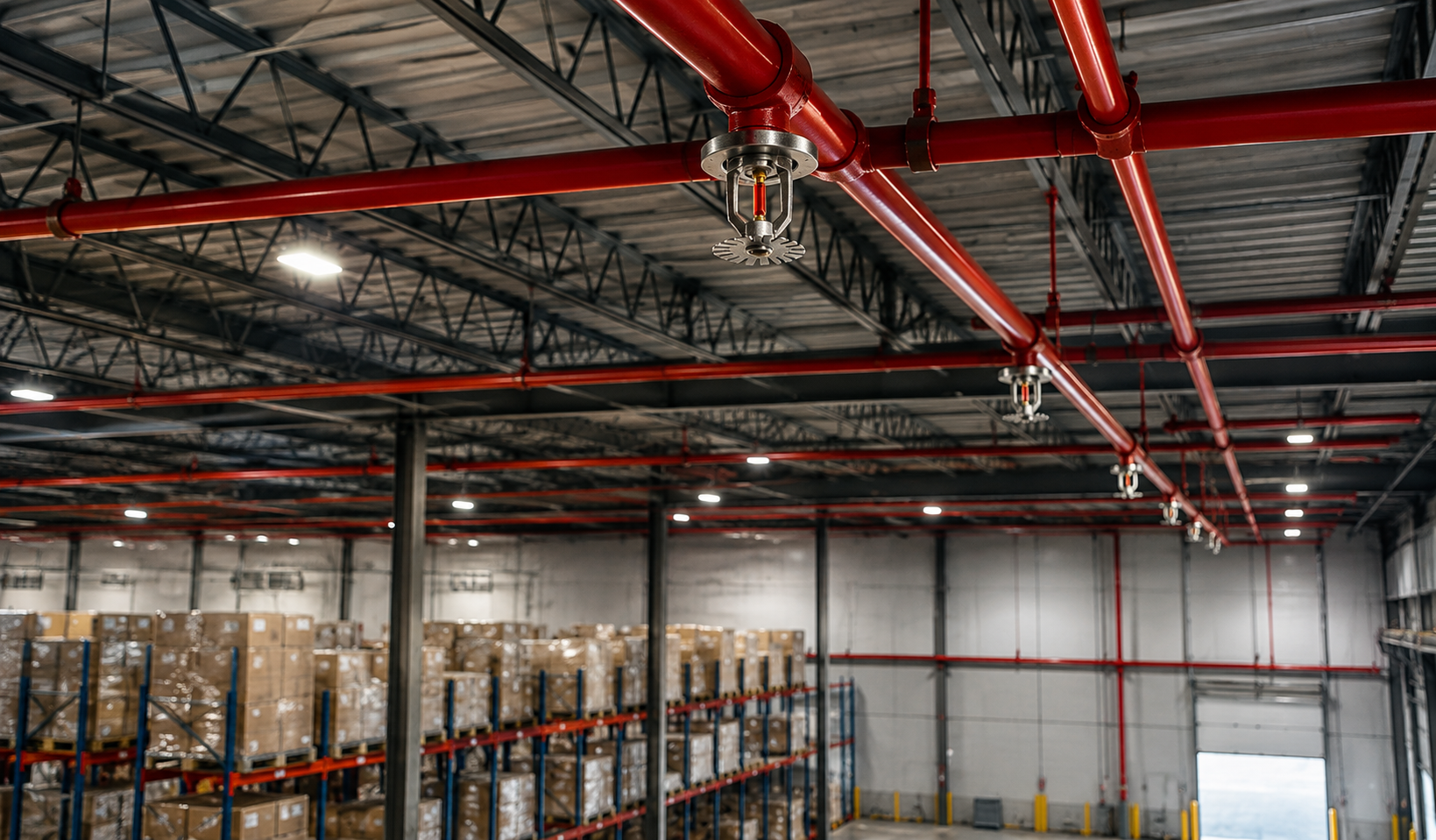
Fire Alarm Systems (NFPA 72): A full test of the control panel, notification appliances (horns and strobes), and communication with the monitoring station.- Fire Sprinkler Systems (NFPA 25): A complete inspection of pipes, fittings, and sprinkler heads, plus a main drain test to ensure adequate water pressure.
The 5-Year Milestones
Every five years, the state requires a deeper dive into your systems to catch hidden issues like corrosion or blockages.
- Internal Pipe Inspections: Technicians must open the sprinkler pipes to check for internal obstructions or microbiologically influenced corrosion (MIC).
- Fire Hydrant Flow Tests: If your property has private fire hydrants, they must be flow-tested every five years to ensure they can deliver enough water for the fire department.
Want to dive deeper into specific 5-year requirements? Read our detailed spoke articles:
- Is Your Santa Ana Property Ready for the NFPA 25 Five-Year Pipe Inspection?
- The 5-Year Fire Hydrant Flow Test: A Complete Guide for California Property Managers
Special Rules for Multifamily and Mixed-Use Properties
If your commercial portfolio includes multifamily residential buildings or mixed-use properties (e.g., retail on the ground floor, apartments above), the rules become even stricter.
Under
California Health and Safety Code Section 13146.2, every city or county fire department is mandated to inspect all residential occupancies with three or more attached units annually .
For mixed-use buildings, you must comply with the commercial codes for the business spaces and the residential codes for the living spaces. This often means more complex fire alarm systems that integrate both areas, requiring specialized testing to ensure an alarm in the retail space properly alerts the residents above.
The Hidden Benefit: How Compliance Simplifies Your Life
It is easy to view fire code compliance as a burden—a series of boxes to check to avoid fines. But proactive compliance is actually one of the most effective ways to streamline your property management operations.
When you partner with a professional fire protection company for a regular Inspection, Testing, and Maintenance (ITM) program, you eliminate the chaos of emergency repairs.
Instead of scrambling to find a technician when a fire panel starts beeping at 2:00 AM, your systems are maintained on a predictable schedule. This proactive approach extends the lifespan of your expensive equipment (often by 40-60%), reduces the likelihood of disruptive false alarms, and provides the pristine documentation your insurance company demands.
Compliance isn't just about staying legal; it's about operational peace of mind.
The industry is currently facing a massive shortage of qualified technicians. Learn why proactive scheduling is your best defense in our guide: The Fire Protection Skills Gap: Why Southern California Property Managers Should Act Now.
How Fire Testing Solutions Can Help
Navigating these codes alone is risky. Fire Testing Solutions is your dedicated compliance partner in Southern California. We handle the entire process so you don't have to.
Our licensed technicians provide comprehensive services that align perfectly with California law, including:
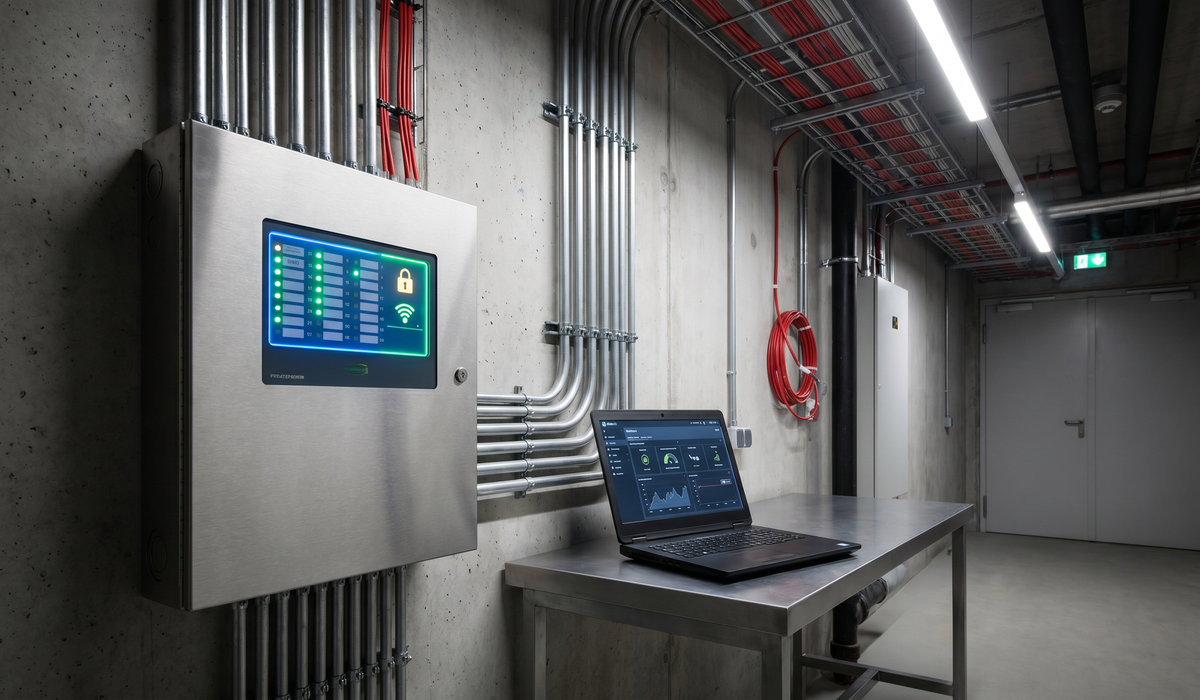
- Fire Alarm Testing (NFPA 72)
- Fire Sprinkler Testing (NFPA 25)
- 24/7 Alarm Monitoring
- System Repairs and Installation
We track your compliance calendar, perform the required tests, and provide the exact documentation your local fire marshal requires.
Frequently Asked Questions (FAQs)
1. Who is legally responsible for ensuring a commercial building is compliant? The property owner or the designated property management company is legally responsible for ensuring all fire and life safety systems are inspected, tested, and maintained according to state and local codes.
2. Can my in-house maintenance team perform the annual fire alarm or sprinkler tests? No. While your team can perform basic weekly or monthly visual checks, California law requires that annual and 5-year functional tests be performed by licensed professionals (such as a C-16 licensed contractor for sprinklers).
3. What happens if an inspector finds a deficiency during an annual test? If a deficiency is found, the technician will document it and provide a report. You are then legally required to have the deficiency repaired in a timely manner to restore the system to full working order and maintain compliance.
4. Do local cities have different fire codes than the state of California? Yes. While the California Fire Code sets the baseline, local Authorities Having Jurisdiction (AHJs)—like the Orange County Fire Authority or Los Angeles Fire Department—can adopt stricter amendments. Your testing partner must understand both state and local requirements.
Conclusion
Commercial property compliance in California is built on a strict framework of NFPA standards, the California Fire Code, and Title 19 regulations. While the rules are complex, the path to compliance is straightforward: understand your required testing intervals (annual and 5-year) and partner with a licensed professional to manage the schedule.
By taking a proactive approach to your fire and life safety systems, you do more than just avoid fines—you protect your tenants, extend the life of your equipment, and gain total peace of mind.
Ready to secure your compliance and simplify your property management?
- Book a Call:
https://www.firetestingsolutions.com/contact
- Phone: 866-757-8378
- Email: service@firetestingsolutions.com
- Address: 700 W. First St, Suite 10, Tustin, CA 92780