EV Charging Sprinkler Requirements for Southern California Parking Garages (NFPA 13 / NFPA 88A)
The push for electric vehicle (EV) infrastructure in Southern California is moving faster than ever. With the 2025 California Green Building Standards Code (CALGreen) mandating that up to 40% of parking spaces in new commercial developments be EV-capable, property managers are rushing to install chargers. But there is a critical compliance hurdle catching many off guard: the fire sprinkler requirements.
If you manage a commercial parking structure in Southern California, adding EV charging stations is no longer just an electrical upgrade. It is a major fire and life safety project. Recent updates to the National Fire Protection Association (NFPA) codes—specifically NFPA 88A and NFPA 13—have fundamentally changed how parking garages must be protected.
This guide breaks down exactly what property managers need to know about EV charging sprinkler requirements, how to stay compliant, and why proactive testing simplifies your operations.
The Unique Fire Risk of EV Charging
Why are regulators suddenly so focused on parking garage sprinklers? The answer lies in the nature of lithium-ion battery fires.
When an EV battery is damaged or malfunctions, it can enter a state called
thermal runaway. This is a rapid, uncontrollable increase in temperature that generates its own oxygen. Unlike a traditional gasoline vehicle fire, an EV fire burns at extreme temperatures (often exceeding 1,000°C) and cannot be easily smothered. It requires massive amounts of water simply to cool the battery casing and prevent the fire from spreading to adjacent vehicles or the building structure .
Because parking garages are densely packed with vehicles, a single EV fire can quickly escalate into a catastrophic event. This reality prompted the NFPA to overhaul its standards for parking structures.
NFPA 88A: The End of the "Open Garage" Exemption
For decades, the fire code treated "open" parking garages—those with significant natural ventilation—differently than enclosed garages. Open garages were often exempt from requiring automatic fire sprinkler systems because it was assumed that heat and smoke would easily dissipate.
That exemption is now gone.
The 2023 edition of
NFPA 88A (Standard for Parking Structures) introduced a sweeping change:
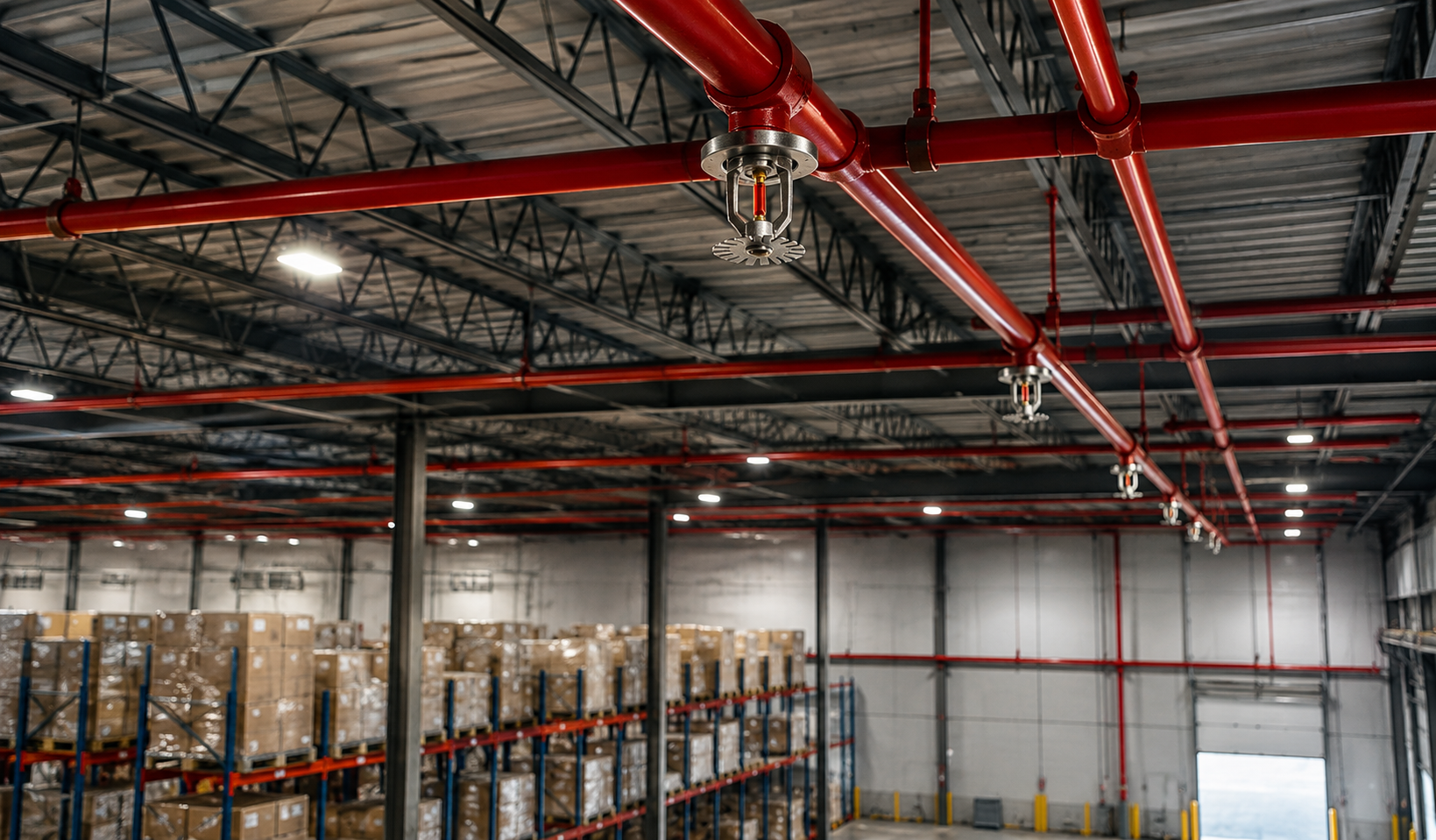
All parking garages, regardless of whether they are open or enclosed, must now have automatic sprinkler systems installed in accordance with
NFPA 13.
While this requirement is generally not retroactive for existing open garages that remain unchanged, the moment you pull a permit to add EV charging stations, you trigger a change in the hazard classification of that space. Local Authorities Having Jurisdiction (AHJs) across Southern California are increasingly requiring existing garages to upgrade their fire protection systems when EV chargers are installed.
NFPA 13: Upgrading to Extra Hazard Group II
When you install EV chargers, you are not just adding an electrical appliance; you are introducing a high-energy storage system into the building. Because of the intense heat generated by EV fires, standard "Ordinary Hazard" sprinkler designs are often no longer sufficient.
NFPA 13 (Standard for the Installation of Sprinkler Systems) dictates how much water a sprinkler system must deliver over a specific area (known as design density).
For areas associated with EV charging, many local fire departments in California—including the San Francisco Fire Department, whose guidelines are often mirrored by Southern California AHJs—now require the sprinkler system above the EV charging spaces to be designed or upgraded to
Extra Hazard Group II (EH2) .
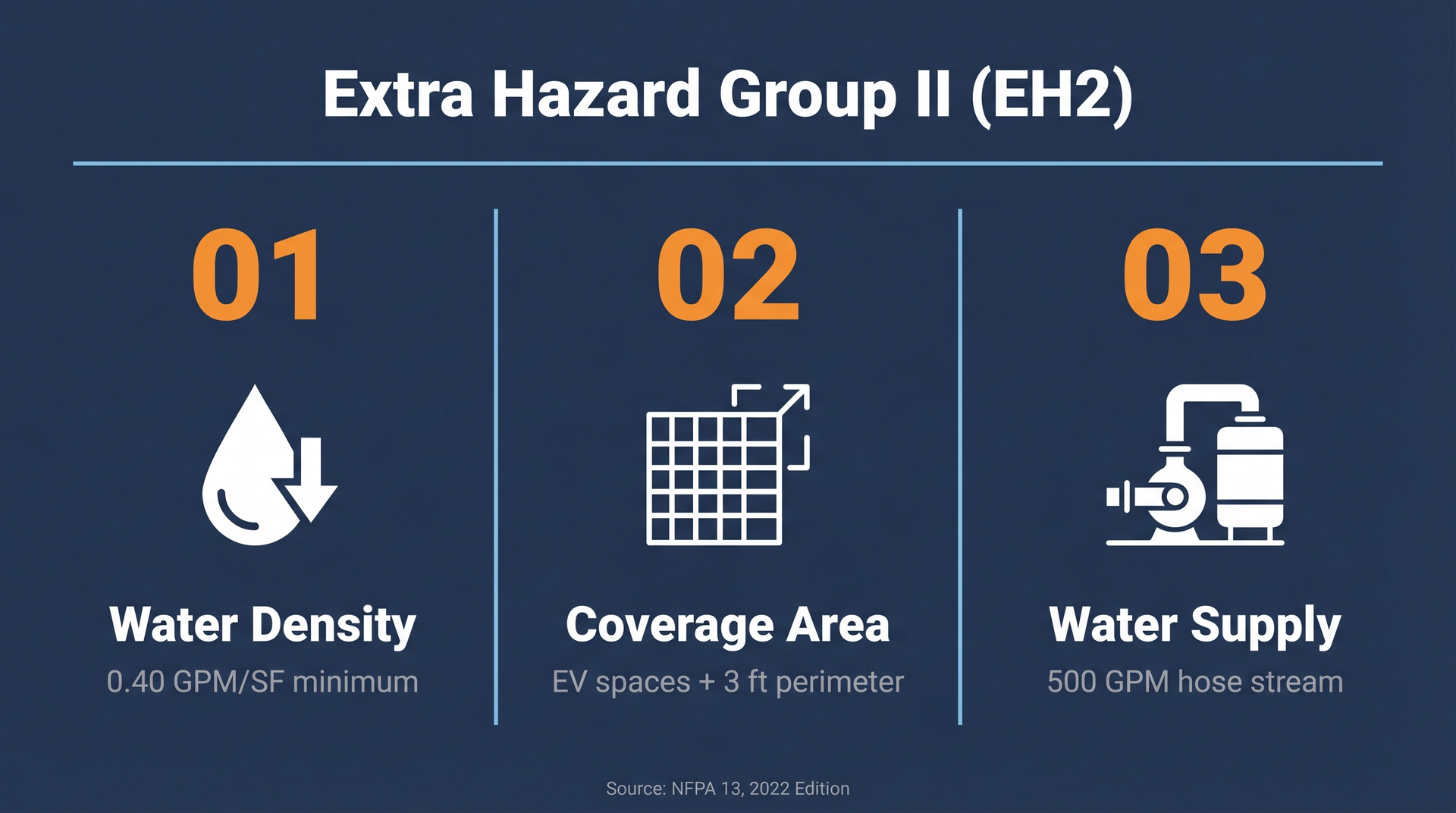
What Does Extra Hazard Group II Mean?
| Requirement | Details |
|---|---|
| Water Density | The system must deliver a minimum of 0.40 gallons per minute per square foot (GPM/SF) over the design area. |
| Coverage Area | The EH2 design area typically must cover the EV parking spaces and extend a minimum of 3 feet beyond the perimeter of those spaces. |
| Water Supply | The building's fire pump and water storage tanks must be capable of supplying this massive volume of water, plus additional allowance for fire department hose streams (often 500 GPM). |
If your existing parking garage was designed to Ordinary Hazard standards (typically 0.15 or 0.20 GPM/SF), the existing pipes and fire pump likely cannot deliver the water volume required for an EH2 classification.
Compliance Simplification: How to Avoid Costly Surprises
Navigating these code changes can feel overwhelming, but compliance does not have to be a roadblock. The key to simplifying the process is proactive evaluation.
Many property managers make the mistake of hiring an electrical contractor to install the chargers, only to have the fire marshal halt the project because the sprinkler system is inadequate. By evaluating your fire protection systems
before you finalize your EV charging plans, you can avoid failed inspections, project delays, and expensive redesigns.
If your existing sprinkler system cannot be upgraded to meet the EH2 density requirements without a massive infrastructure overhaul, the fire code often allows for alternative compliance methods. For example, you may be able to isolate the EV charging spaces using 1-hour fire-rated walls to reduce the required sprinkler design area . Knowing these options early simplifies your project timeline and keeps your property legally compliant.
How Fire Testing Solution Can Help
While Fire Testing Solution does not install fire sprinkler pipes, we play a critical role in ensuring your commercial property remains compliant when adding EV charging stations. Our services integrate directly with the new requirements:
- Fire Alarm Integration:
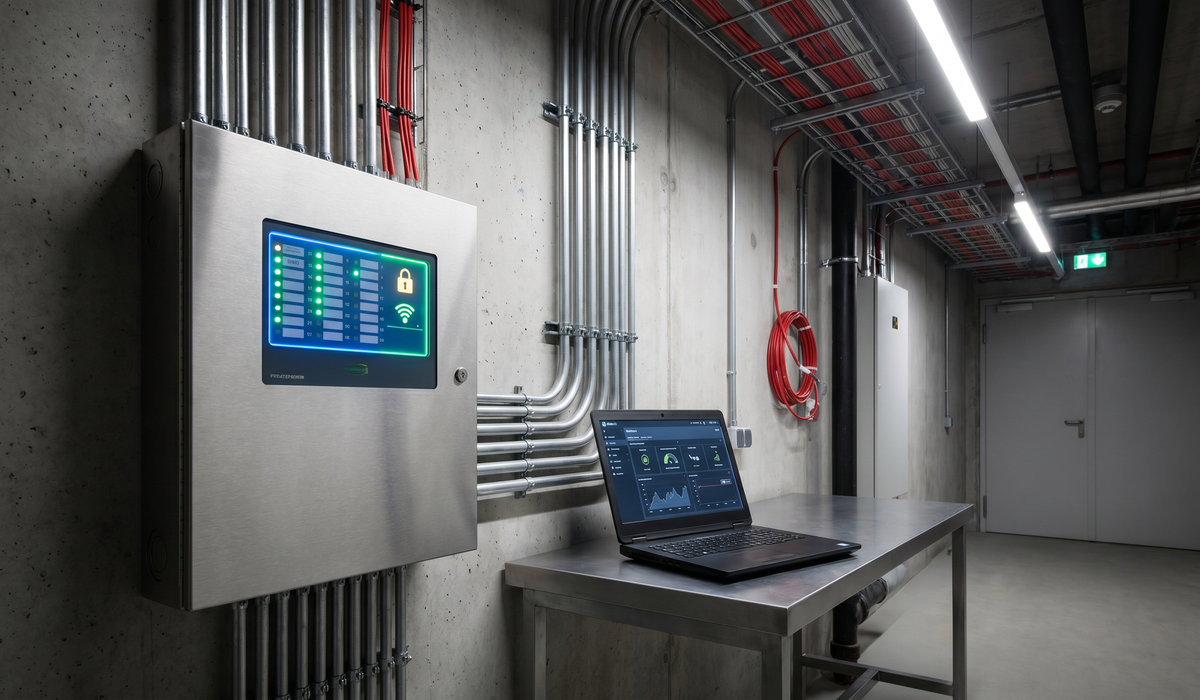
When EV chargers are installed, the California Electrical Code requires an emergency disconnect. Fire Testing Solution can install and test the integration between your fire alarm control panel and the EV disconnect, ensuring power is cut immediately if a fire is detected.
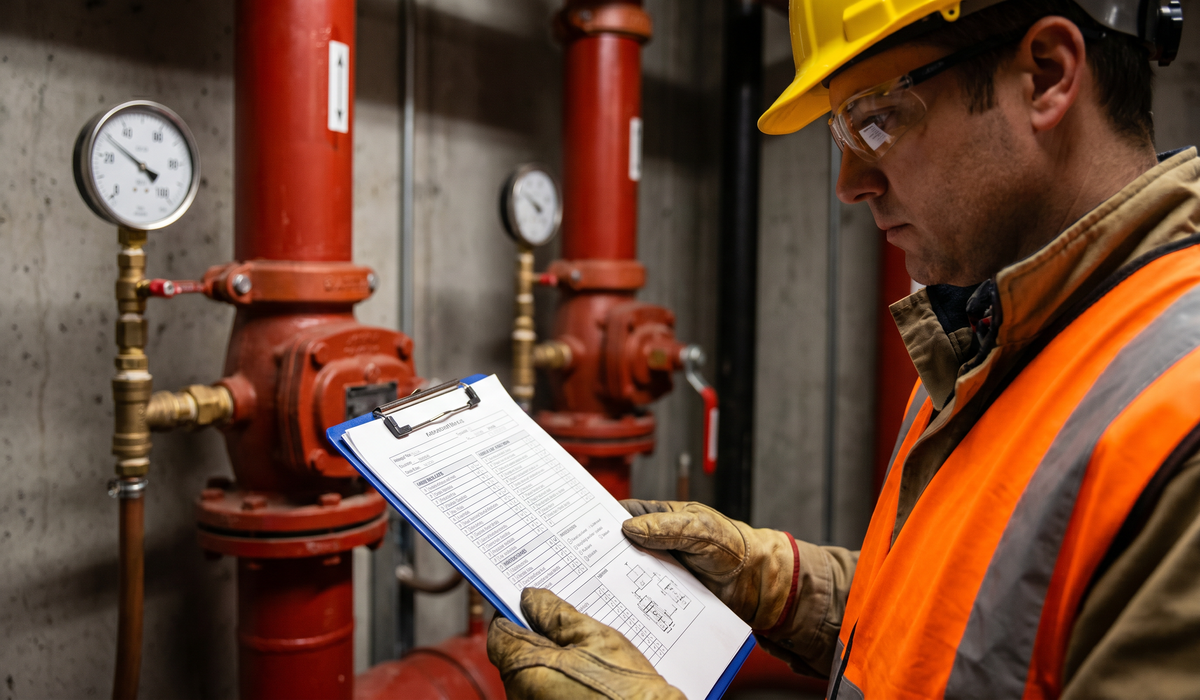
- System Testing and ITM: NFPA 88A requires that all fire alarm and sprinkler systems in parking structures be regularly inspected, tested, and maintained (ITM) in accordance with NFPA 72 and NFPA 25. We provide comprehensive annual testing to keep your property compliant.
- UL-Listed Monitoring: We provide 24/7 UL-listed alarm monitoring, ensuring that if a thermal event occurs at an EV charging station, emergency responders are dispatched immediately.
- Multifunction Property Compliance: For mixed-use properties (e.g., apartments over commercial parking), California law strictly enforces annual fire safety inspections. We manage the entire testing schedule for your multifunction property.
Frequently Asked Questions
Does adding one EV charger require a full garage sprinkler upgrade?
It depends on your local AHJ. In many cases, the area immediately surrounding the new EV charger must be upgraded to meet the higher hazard classification, but the entire garage may not need a full retrofit if the EV area can be properly isolated.
Can we use our existing fire alarm panel for the EV emergency disconnect?
Often, yes. However, the panel must be evaluated to ensure it has the capacity and the correct modules to send the specific release signal to the EV charging equipment.
Who is responsible for testing the fire alarm integration with the EV chargers?
The property owner or manager is legally responsible for ensuring the system is tested annually by a licensed fire protection contractor.
What happens if our parking garage fails a fire safety inspection due to EV chargers?
The AHJ can issue daily fines, halt the use of the EV chargers, or in severe cases, restrict access to the parking structure until the life safety systems are brought up to code.
Conclusion
The transition to electric vehicles is transforming commercial real estate in Southern California, but it brings significant new fire safety responsibilities. The updates to NFPA 88A and NFPA 13 mean that parking garages are now viewed as high-hazard environments. By understanding the requirement for Extra Hazard Group II sprinkler coverage and ensuring your fire alarm systems are properly integrated and tested, you can protect your property, your tenants, and your bottom line.
Don't wait for a failed inspection to find out your fire protection systems are not up to code.
Need help ensuring your property's fire alarm and monitoring systems are compliant with the latest EV charging regulations?
- Book a call:
https://www.firetestingsolutions.com/contact
- Phone Number: 866-757-8378
- Email: service@firetestingsolutions.com
- Address: 700 W. First St, Suite 10 Tustin, CA 92780