Area of Refuge Requirements in California: Which Buildings Need One and Why
You are walking a prospective tenant through your newly acquired commercial property in Southern California. They ask a simple question: "If there is a fire and the elevators shut down, how do people who use wheelchairs get out safely?" If you do not have a clear, legally compliant answer to that question, your building may be in violation of both the California Building Code (CBC) and the Americans with Disabilities Act (ADA).
For many property managers, the concept of an Area of Refuge (AOR) is confusing. Is it just a stairwell? Does it require a special communication system? And most importantly, does
your specific building legally require one?
This guide breaks down the Area of Refuge requirements in California. We will explain exactly which buildings need them, what the law requires, and how to ensure your property is fully
What Exactly Is an Area of Refuge?
An Area of Refuge is a designated, fire-resistant location within a building where individuals who cannot use the stairs can safely wait for emergency responders to assist them.
When a fire alarm is triggered, elevators automatically recall to the ground floor and shut down to prevent people from becoming trapped in a smoke-filled shaft. For individuals with mobility impairments, this means their primary means of egress is gone. The Area of Refuge provides a safe haven.
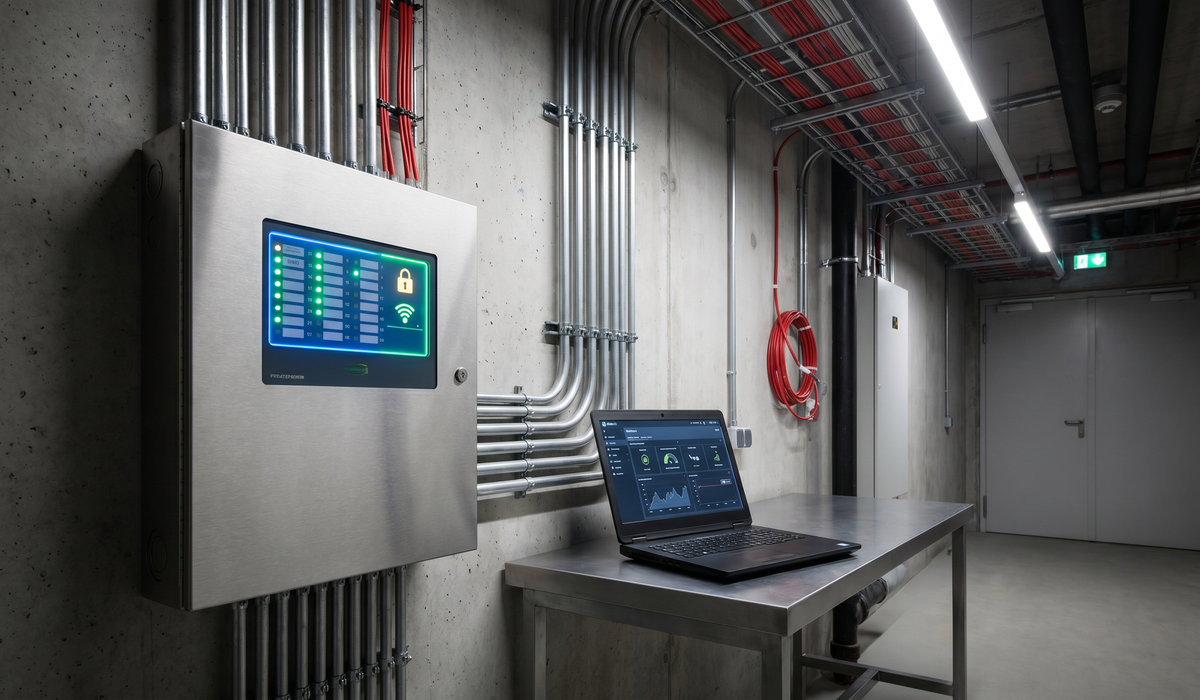
However, an AOR is not just an empty space in a stairwell. To meet California code, it must include a specialized two-way emergency communication system that connects directly to a central control point or an off-site monitoring center, allowing trapped individuals to call for help.
Which Buildings Require an Area of Refuge in California?
The requirements for Areas of Refuge are governed primarily by the California Building Code (CBC) Section 1009 and the International Fire Code (IFC) [1].
In general, an Area of Refuge is required in multi-story buildings where an accessible route (like an elevator) is not available as a means of egress during an emergency.
Here is a breakdown of the common building types that typically require an AOR:
1. Multi-Story Commercial and Public Buildings
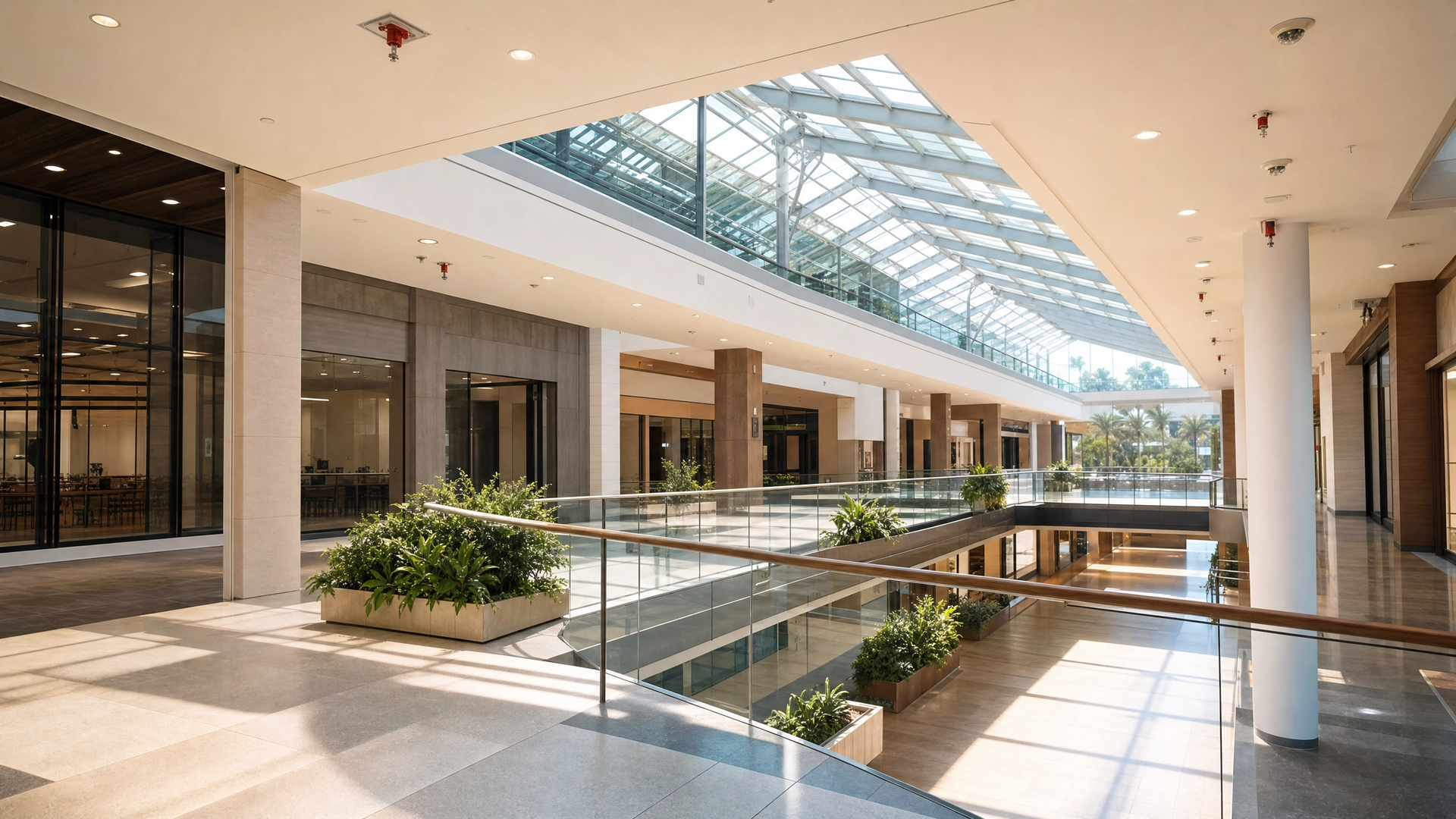
If your building has floors above or below the level of exit discharge (usually the ground floor), and those floors are accessible to the public or employees, you likely need an Area of Refuge. This applies to office buildings, retail centers, and government facilities.
2. Educational and Healthcare Facilities
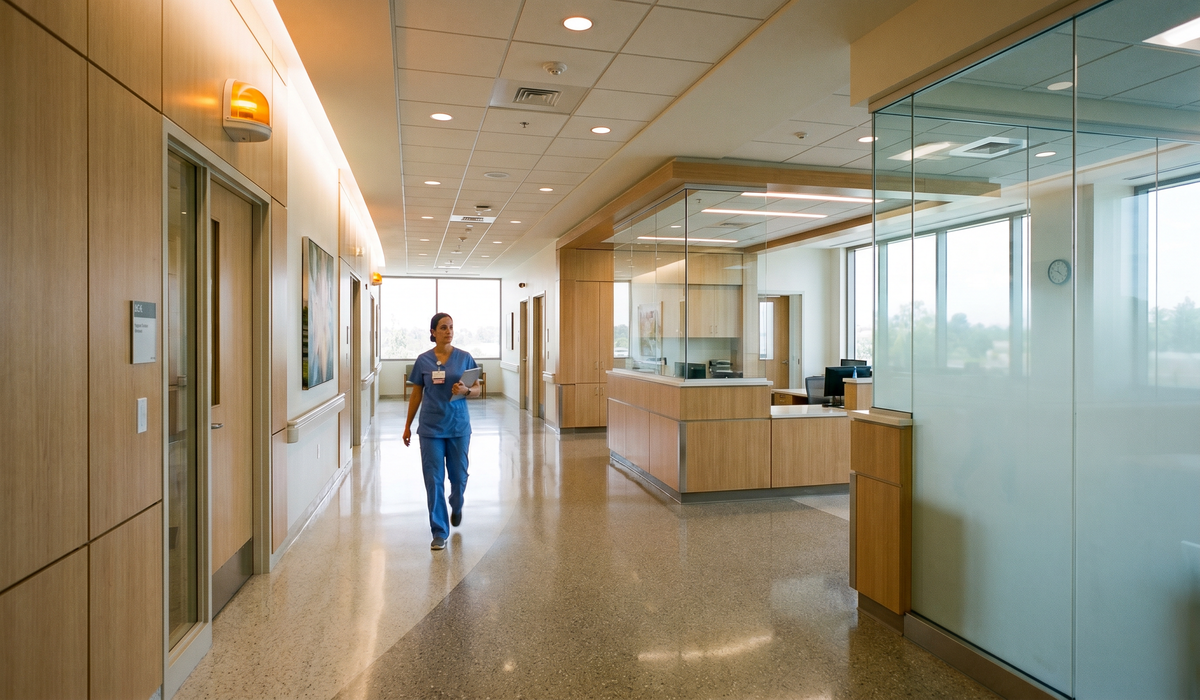
Schools, universities, hospitals, and outpatient clinics have strict AOR requirements due to the high volume of occupants and the likelihood of individuals needing assistance during an evacuation.
3. Multifunction and Mixed-Use Properties
California law is particularly strict regarding multifunction properties. If your building combines residential apartments with ground-floor retail or commercial office space, the egress routes can be complex. Under California Health and Safety Code, these mixed-use properties must have clearly defined and fully equipped Areas of Refuge to serve all occupancy types within the building.
The Sprinkler Exception
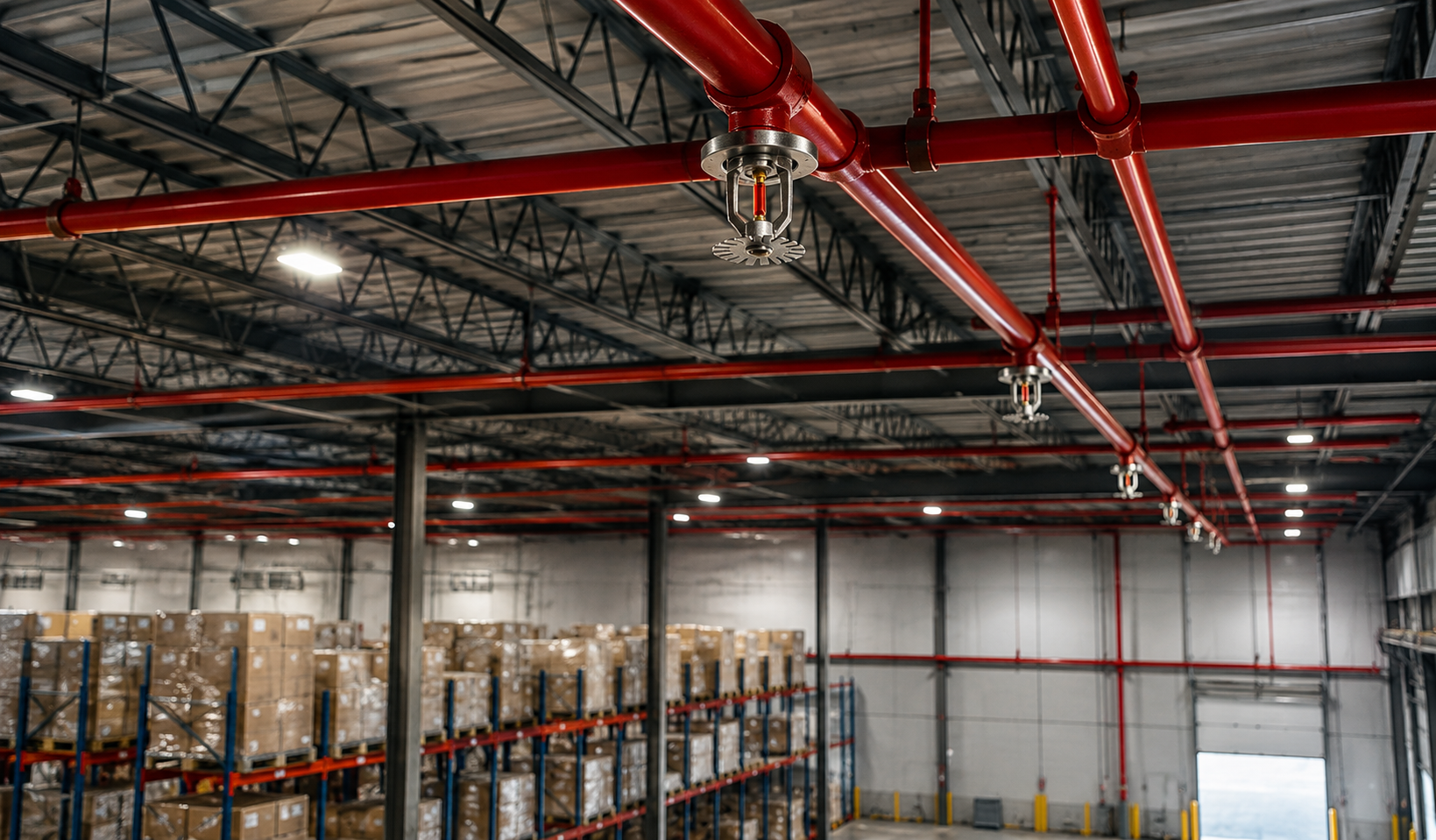
There is one major exception to the AOR requirement. Under the CBC, if a building is fully equipped with an automatic fire sprinkler system throughout, an Area of Refuge is generally not required [1]. The logic is that a fully sprinklered building provides a safe enough environment that a dedicated fire-rated waiting area is unnecessary.
However, even if the physical fire-rated room is waived due to sprinklers, the
two-way emergency communication system is still required at the elevator landings on every floor above or below the ground level.
The Two-Way Communication System Requirement
Whether you have a dedicated Area of Refuge room or just an elevator landing in a sprinklered building, the communication system is mandatory.
This system must meet specific criteria:
- Hands-Free Operation:
It must be usable by individuals with limited mobility.
- Visual and Audible Signals: It must provide confirmation that the call has been received.
- Location Identification: It must automatically transmit the exact location of the caller to the master control unit or monitoring center.
- Backup Power: It must remain operational during a power outage.
If you already have a system installed and want to know exactly how it is tested to ensure it meets these requirements, read our complete guide:
Area of Refuge Testing: What Happens During an Annual Inspection.
How Fire Testing Solutions Can Help
Navigating California's complex building and fire codes can be overwhelming. Fire Testing Solutions is your partner in compliance. We provide comprehensive services to ensure your Area of Refuge systems are fully operational and legally compliant.
- System Evaluation:
We can assess your current building layout and advise on whether an AOR or a two-way communication system is required based on your specific occupancy and sprinkler status.
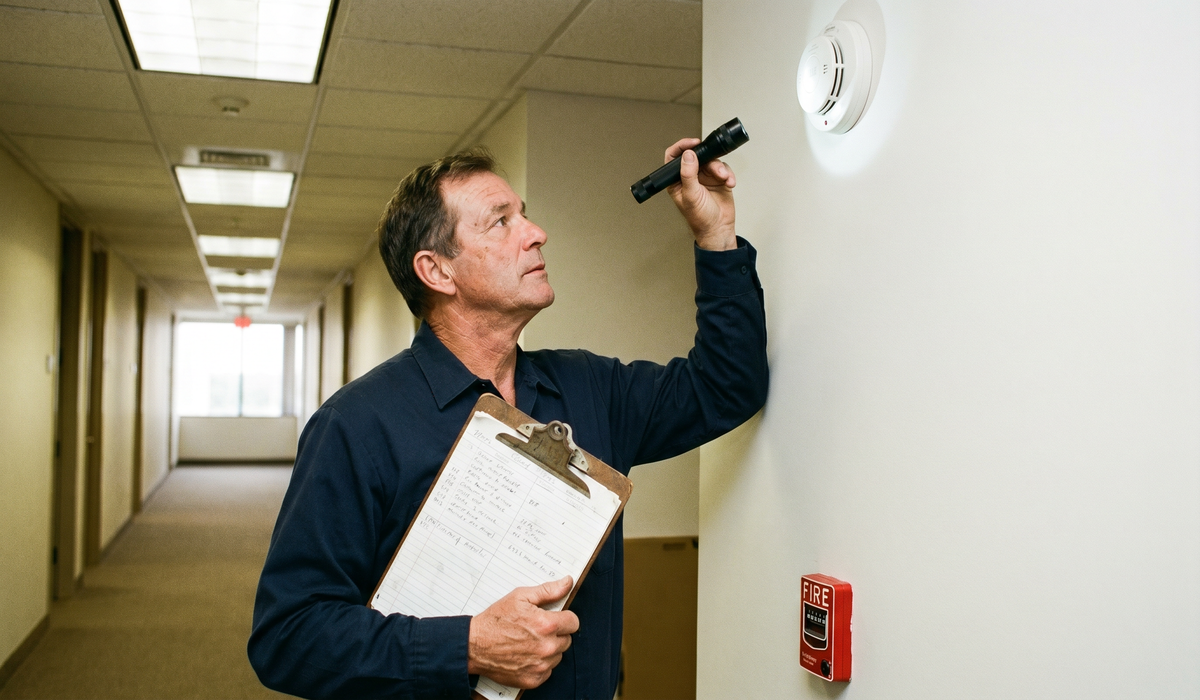
- Annual ITM Testing: We perform the legally mandated annual testing of your AOR communication systems, ensuring every call station, master panel, and battery backup functions perfectly.
- Repair and Maintenance: If your system fails an inspection, our technicians can diagnose and repair the issue quickly, minimizing your liability.
- 24/7 Monitoring: We provide UL-listed monitoring services to ensure that when an AOR call button is pressed, help is dispatched immediately.
Frequently Asked Questions
1. Are older buildings grandfathered in, or do they need to retrofit an Area of Refuge? Retrofit requirements depend heavily on the scope of any renovations or tenant improvements. Major renovations often trigger a requirement to bring the building up to current code, which may include installing a two-way communication system. Your local Authority Having Jurisdiction (AHJ) makes the final determination.
2. Who is responsible for testing the Area of Refuge communication system? The property owner or designated property manager is legally responsible for ensuring the system is tested annually by a licensed fire protection contractor.
3. Can we just use cell phones instead of a dedicated AOR communication system? No. Cell phone service can be unreliable during an emergency, and emergency responders need a dedicated, hardwired system that automatically identifies the caller's exact location within the building.
4. What happens if our AOR system fails an inspection? A failed system is a serious life safety violation. You will be issued a correction notice by the fire marshal and given a specific timeframe to repair the system. Failure to comply can result in fines and increased liability.
Your Partner in Life Safety Compliance
Understanding whether your building requires an Area of Refuge is the first step in protecting your tenants and your investment. The second step is ensuring that the systems you have in place actually work when they are needed most.
Do not wait for a fire marshal inspection or an emergency to find out if your building is compliant.
Ready to evaluate your Area of Refuge requirements or schedule your annual test? Contact Fire Testing Solutions today.
- Book a call:
https://www.firetestingsolutions.com/contact
- Phone Number: 866-757-8378
- Email: service@firetestingsolutions.com
- Address: 700 W. First St, Suite 10, Tustin, CA 92780
References
[1] California Building Code (CBC) Section 1009, Accessible Means of Egress.