The Complete Guide to Shopping Mall Fire Safety Compliance in Southern California
Managing a shopping mall in Southern California is a complex undertaking. Between coordinating tenant build-outs, maintaining massive HVAC systems, and ensuring a premium experience for thousands of daily visitors, property managers have their hands full. However, the most critical responsibility you hold is ensuring the life safety of everyone who walks through your doors.
Shopping malls present a unique fire safety challenge. The combination of high foot traffic, sprawling open concourses, diverse tenant operations (from retail to commercial kitchens), and complex architectural layouts means that a fire event can escalate rapidly. This is why the California Fire Code and the National Fire Protection Association (NFPA) treat covered and open mall buildings much more strictly than standard commercial properties.
This comprehensive guide breaks down the core fire safety systems required in Southern California shopping malls, explaining what the codes demand and how maintaining compliance can actually simplify your facility operations.
Why Malls Face Stricter Fire Codes
Under California law, a shopping mall is not viewed as a single, uniform building. Instead, it is treated as a complex ecosystem of interconnected zones. The California Fire Code (CFC) Section 402 specifically addresses "Covered Mall and Open Mall Buildings," establishing stringent rules that go far beyond standard commercial requirements [1].
The primary goal of these regulations is containment and safe evacuation. Because a fire in a single tenant space could theoretically threaten the entire structure, the codes mandate that fire protection systems be highly segmented. If a fire breaks out in a retail store, the systems must isolate the threat, notify occupants, and suppress the flames without necessarily shutting down the entire mall concourse.
The Four Pillars of Mall Fire Safety
To maintain compliance and protect your property, facilities managers must oversee four distinct but integrated fire protection systems.
1. Automatic Fire Sprinkler Systems
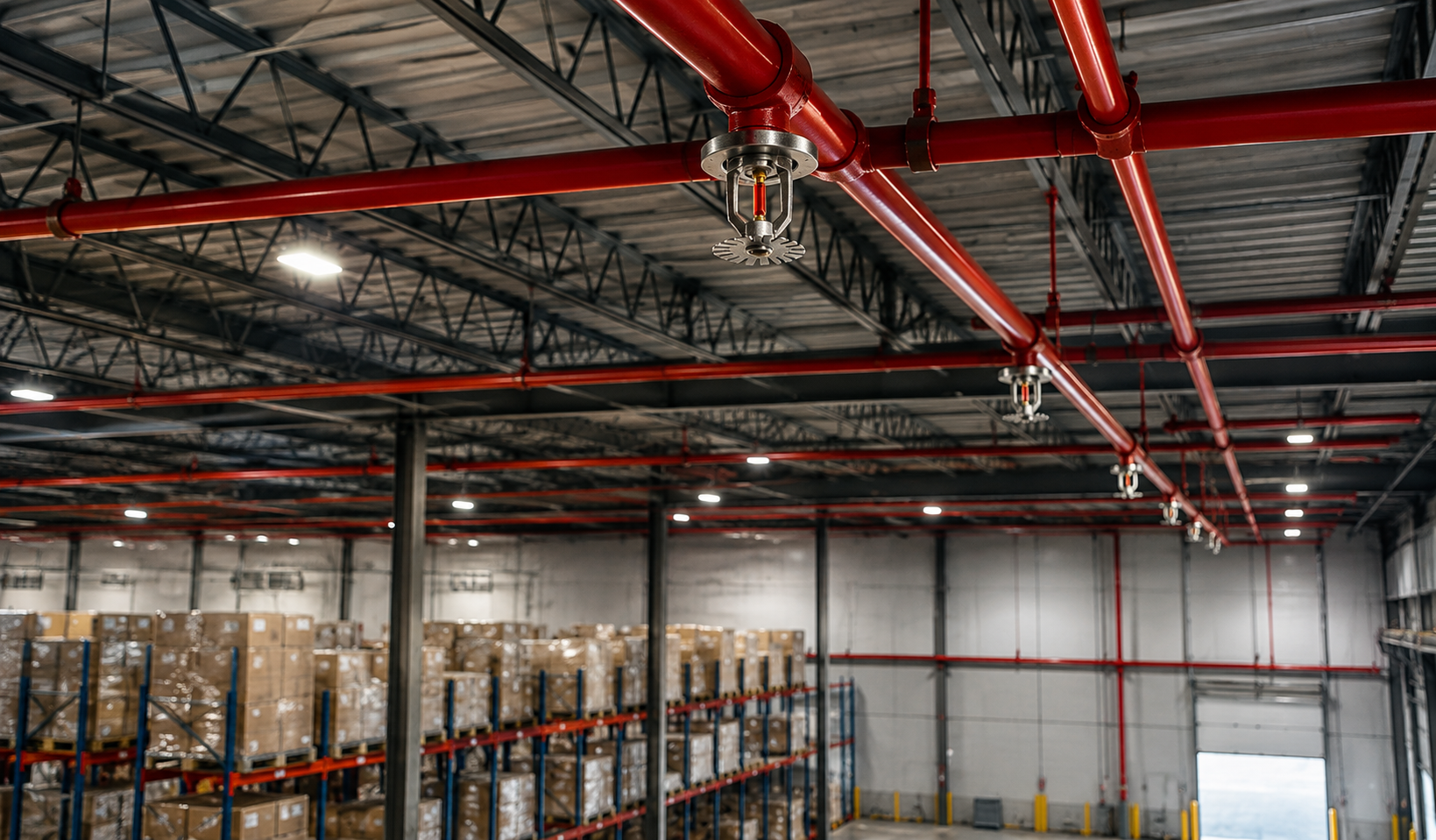
The most significant difference between a mall and a standard office building is the requirement for multiple, independent sprinkler systems. According to CFC Section 402.5, sprinkler protection for the main mall concourse must be entirely independent from the systems protecting tenant spaces or large anchor buildings [1].
This segmentation ensures that if a tenant's system needs to be taken offline for maintenance or a remodel, the rest of the mall remains fully protected. For a deep dive into how these systems operate and the specific NFPA 25 testing schedules required, read our detailed guide on
Fire Sprinkler Systems in Shopping Malls: Requirements and Testing.
2. Fire Alarm and Occupant Notification Systems
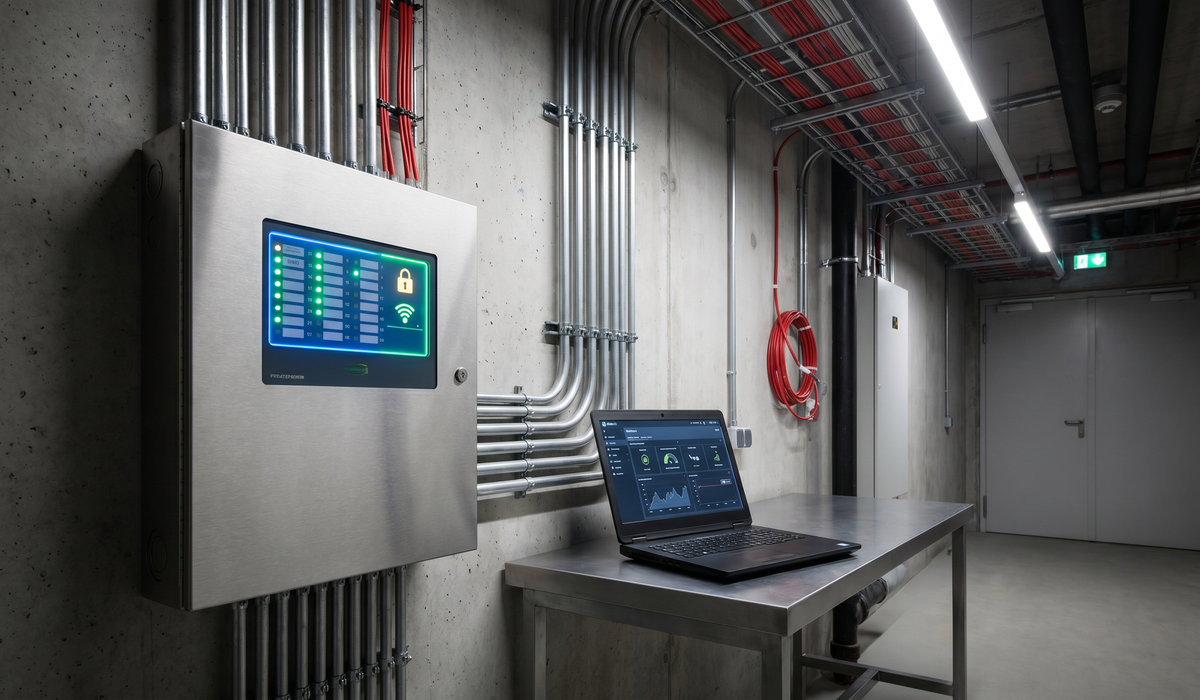
A mall's fire alarm system serves as the central nervous system for emergency response. Under NFPA 72 and the California Fire Code, malls exceeding 50,000 square feet must be equipped with an Emergency Voice/Alarm Communication System (EVACS) [1].
Unlike a standard alarm that simply blares a horn, an EVACS provides clear, spoken instructions to guide occupants to safety. This is crucial in a mall environment where visitors are unfamiliar with the building layout and may panic if they only hear a siren. The system must be intelligible over the ambient noise of the mall and must be monitored 24/7 by a UL-listed central station.
3. Smoke Control and Management
Smoke inhalation is the leading cause of injury and death in commercial fires. In a covered mall with an atrium or a concourse connecting more than two stories, a dedicated smoke control system is legally required [1].
These systems use powerful mechanical exhaust fans to pull toxic smoke out of the building while simultaneously pumping fresh air into egress routes. This creates a tenable environment, keeping the smoke layer high above the walking surface so occupants can evacuate safely and firefighters can enter the building with clear visibility.
4. Means of Egress and Emergency Exits
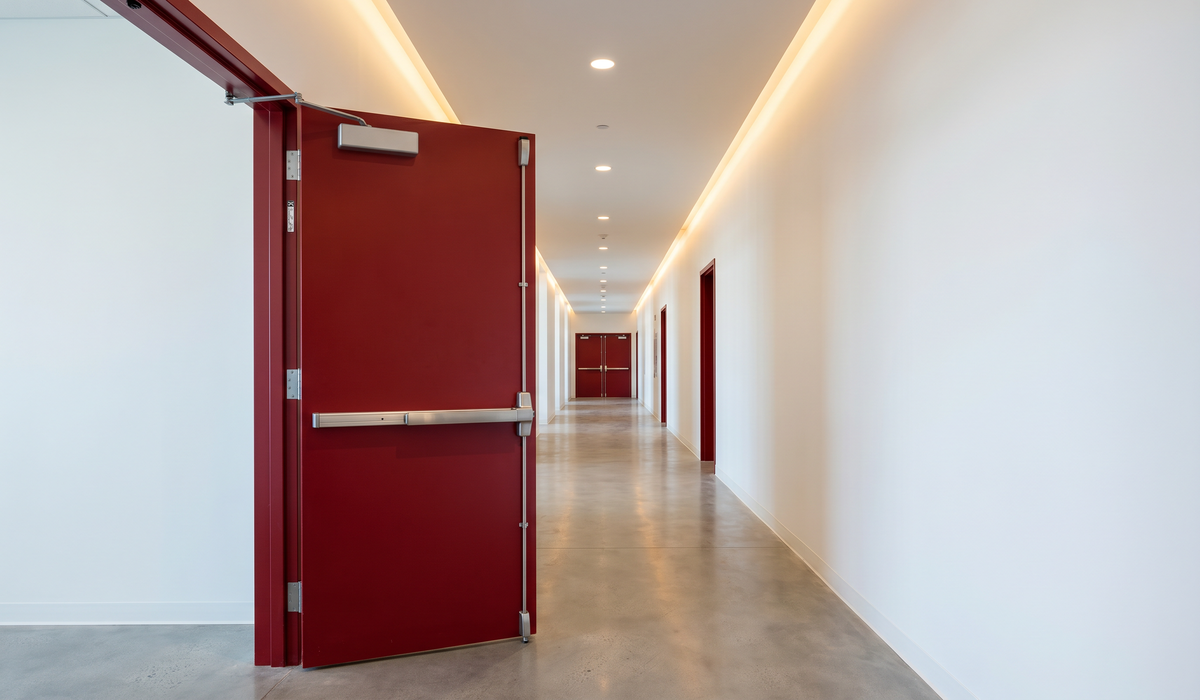
Getting thousands of people out of a building quickly requires meticulous planning. NFPA 101 (The Life Safety Code) dictates strict travel distance limits for mall occupants [2]. Shoppers must be able to reach an exit or the main mall concourse within a specific distance.
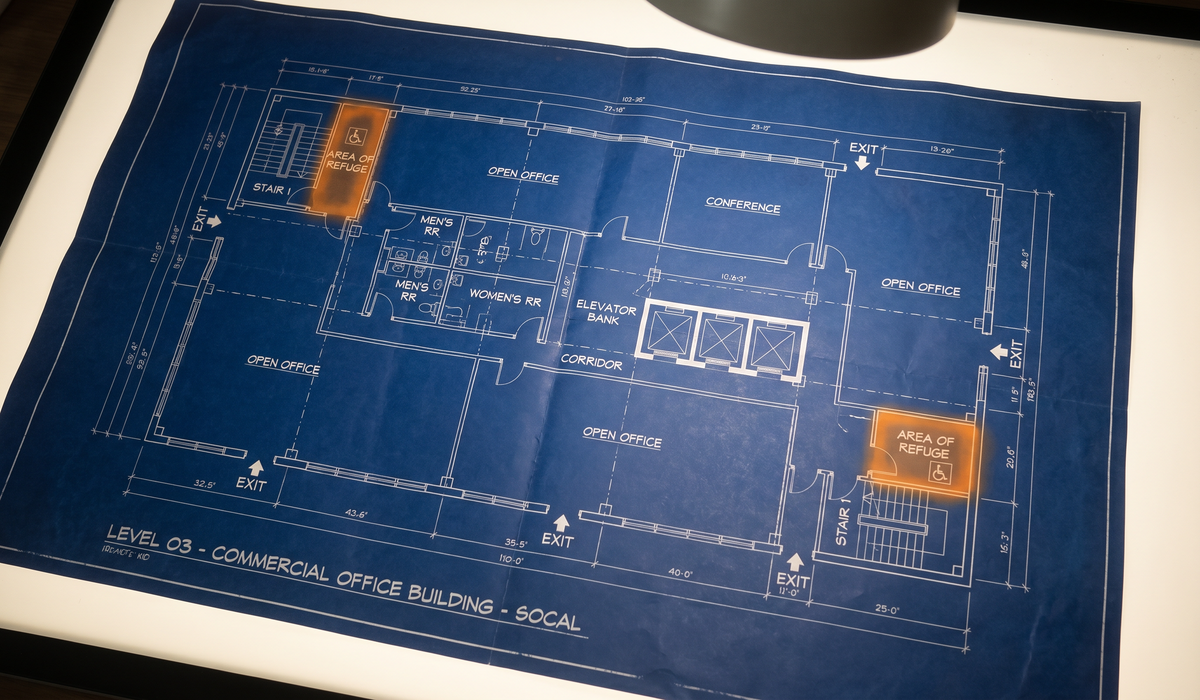
To meet these requirements, many malls utilize "exit passageways"—highly protected, fire-rated corridors that act as horizontal stairwells, leading occupants directly to the exterior of the building. Furthermore, all egress paths must be kept entirely clear of obstructions, including temporary kiosks or promotional displays.
The Importance of Routine ITM (Inspection, Testing, and Maintenance)
Installing these complex systems is only the first step; keeping them operational is an ongoing legal obligation. The California Health and Safety Code requires annual inspections of commercial buildings by local fire departments. Failing these inspections can result in severe fines, increased insurance premiums, and in extreme cases, the closure of the property.
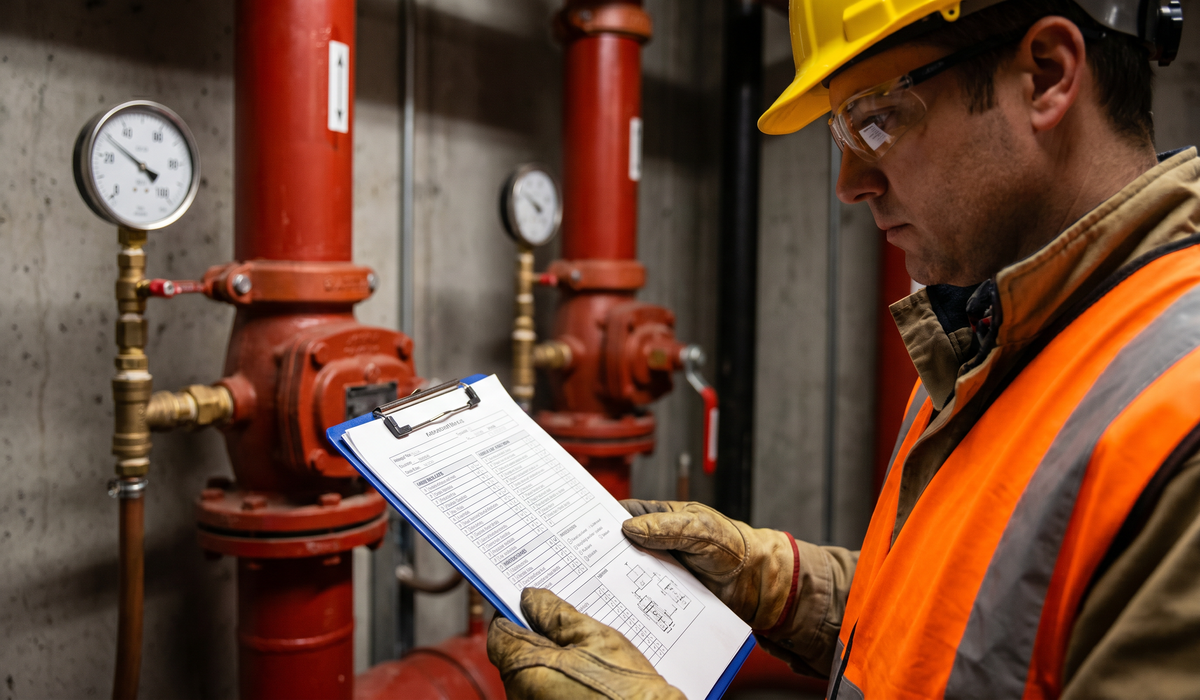
This is where a rigorous Inspection, Testing, and Maintenance (ITM) program becomes your greatest asset. While compliance testing might seem like a logistical headache, it actually simplifies your life as a property manager.
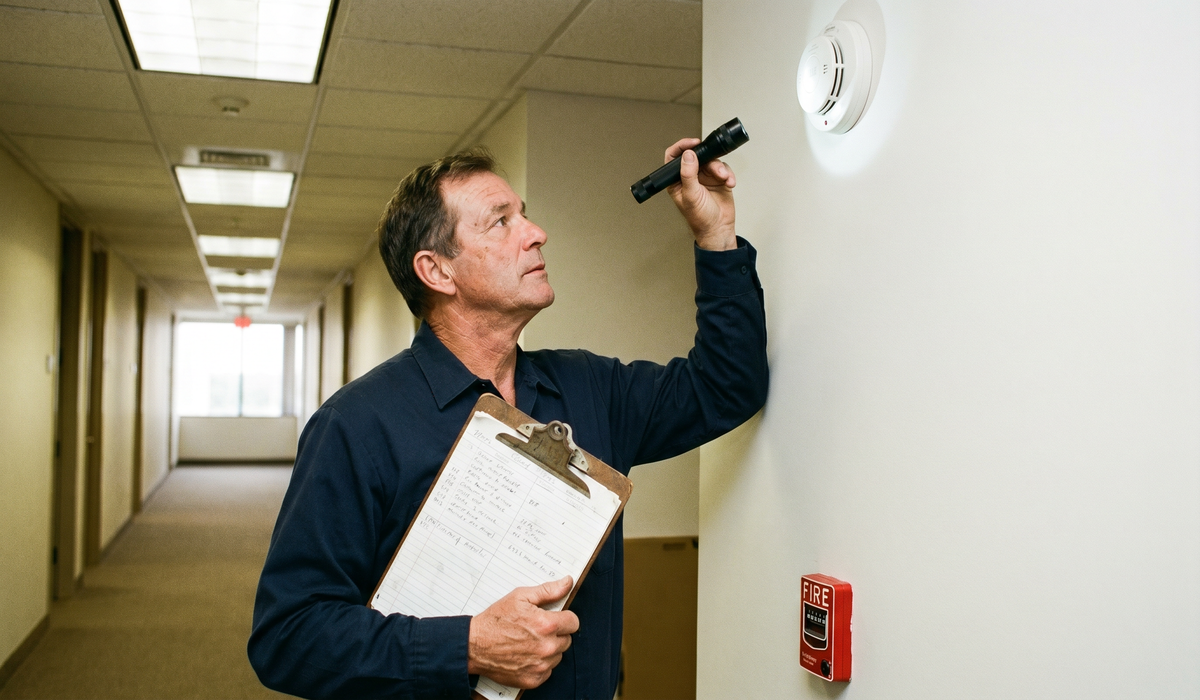
By partnering with a certified fire protection company to handle your ITM schedule, you eliminate the guesswork. You won't have to worry about missing a quarterly sprinkler test or an annual fire alarm inspection. A proactive ITM program catches minor deficiencies—like a failing backup battery or a corroded sprinkler head—before they trigger a failed inspection or, worse, fail during an actual emergency.
| System Type | Governing Standard | Key Testing Frequency |
|---|---|---|
| Fire Sprinklers | NFPA 25 | Quarterly (Valves/Flow), Annually (Comprehensive) |
| Fire Alarms | NFPA 72 | Annually (All devices, EVACS intelligibility) |
| Smoke Control | NFPA 92 | Annually (Dedicated systems), Semi-Annually (Non-dedicated) |
| Kitchen Suppression | NFPA 96 | Semi-Annually (Food court tenant systems) |
How Fire Testing Solutions Can Help
Navigating the web of California Fire Code, NFPA standards, and local municipal amendments requires specialized expertise. Fire Testing Solutions is your dedicated partner for commercial fire safety in Southern California.
We understand the unique pressures of managing multifunction retail properties. Our team of licensed, NICET-certified technicians provides comprehensive
fire and life safety services tailored to shopping malls, including:
- Fire Alarm Testing: We provide thorough life safety tests per NFPA and local authority standards, managing your entire testing schedule to ensure you are always inspection-ready.
- Installation & System Integration: We ensure that tenant build-outs and new alarm panels communicate flawlessly with your master Fire Alarm Control Panel (FACP) using cutting-edge technology.
- Deficiency Repairs: If an inspection uncovers an issue, our expert repair team is dedicated to ensuring the reliability of your fire alarm and security system through professional maintenance.
- Alarm Monitoring: We provide redundant electronic monitoring per UL, FM Global, and NFPA standards to secure your business, ensuring any alarm is immediately dispatched to local emergency responders.
Frequently Asked Questions
Are shopping malls required to have voice evacuation systems?
Yes, under the California Fire Code, covered and open mall buildings with a total floor area greater than 50,000 square feet must be equipped with an emergency voice/alarm communication system to provide spoken evacuation instructions.
Can a tenant's fire alarm system be completely separate from the mall's system?
While tenant spaces must have independent sprinkler control valves, their fire alarm initiating devices (like smoke detectors and waterflow switches) must report back to the mall's main Fire Alarm Control Panel to ensure the central monitoring station and building management are alerted immediately.
What happens if a mall fails its annual fire inspection?
Failing an annual inspection typically results in a citation and a strict deadline to correct the deficiencies. If the issues are severe and pose an immediate threat to life safety, the local fire marshal has the authority to restrict access to the building or shut it down entirely until repairs are made.
Who is responsible for testing the fire suppression systems in the food court?
While the lease agreement usually dictates that the tenant is financially responsible for maintaining their specific kitchen hood suppression system, the property manager is ultimately responsible to the Authority Having Jurisdiction (AHJ) for ensuring that all systems within the building are compliant and tested semi-annually.
Conclusion
Fire safety in a Southern California shopping mall is not a place to cut corners. The complex nature of these sprawling, multi-tenant properties demands highly segmented sprinkler systems, advanced voice evacuation alarms, and rigorous smoke control measures. By understanding the requirements of the California Fire Code and NFPA standards, and by implementing a proactive ITM strategy, property managers can protect their assets, ensure the safety of their patrons, and dramatically simplify their compliance workload.
Is your shopping mall fully compliant with California fire codes? Don't wait for a failed inspection to find out. Contact Fire Testing Solutions today to schedule a comprehensive evaluation of your property's fire protection systems.
- Book a call:
https://www.firetestingsolutions.com/contact
- Phone Number: 866-757-8378
- Email: service@firetestingsolutions.com
- Address: 700 W. First St, Suite 10, Tustin, CA 92780
References
[1] UpCodes. "California Building Code 2013: Section 402 Covered Mall and Open Mall Buildings." https://up.codes/s/covered-mall-and-open-mall-buildings
[2] National Fire Protection Association. "NFPA 101 and Malls." https://www.nfpa.org/news-blogs-and-articles/blogs/2022/11/09/special-provisions-for-mall-structures