The ROI of Preventative Fire System Maintenance: Saving Your Business Money and Lives
When Fire Safety Becomes Your Biggest Unexpected Expense
Picture this: It's 2 AM on a Tuesday, and your fire alarm system fails during a routine inspection. By morning, you're facing emergency repair costs, potential compliance fines, and the very real possibility of having to shut down operations until the system is restored.
This scenario plays out across Southern California every week. Property managers and business owners who thought they were saving money by delaying maintenance discover the hard truth: reactive fire system management costs far more than preventative care.
The numbers tell a compelling story. Research shows that preventative maintenance delivers an average
400% return on investment while reducing overall maintenance costs by
12-18%. For every dollar invested in proactive fire system maintenance, businesses save up to
$5 in emergency repairs and compliance costs.
With California's new Fire Hazard Severity Zone expansions affecting 1.4 million additional acres and enhanced building requirements for commercial properties, the cost of reactive maintenance is about to get much higher.
The Hidden Costs of Reactive Fire System Maintenance
Emergency Service Premiums
When your fire system fails unexpectedly, you're not just paying for repairs—you're paying emergency rates. After-hours service calls typically cost 2-3 times more than scheduled maintenance visits.
Emergency repairs create cascading costs that many businesses overlook:
- Business interruption during system downtime
- Compliance violations that can result in fines up to $10,000 per day
- Insurance complications that may affect coverage or premiums
- Staff overtime to manage emergency situations
Regulatory Compliance Failures
California's evolving fire safety regulations make compliance more complex and costly. The expanded Fire Hazard Severity Zones alone will affect thousands of commercial properties, requiring enhanced fire protection systems and stricter maintenance standards.
Properties that fail compliance inspections face immediate consequences including mandatory system shutdowns, escalating fines, potential liability issues, and insurance coverage complications.
Ready to avoid these costly surprises?
Contact Fire Testing Solutions for a comprehensive system assessment and maintenance plan tailored to your property.
The Financial Benefits of Preventative Maintenance
Note: The following cost estimates and ROI calculations are based on industry research and market averages. Actual costs and returns may vary depending on your specific property size, system complexity, local market conditions, and regulatory requirements. We recommend consulting with fire safety professionals for accurate assessments tailored to your facility.
Quantified ROI Analysis
The return on investment for preventative fire system maintenance is both immediate and long-term. Here's how the numbers break down:
| Maintenance Approach | Average Annual Cost | Emergency Repair Risk | Total 5-Year Cost | ROI Comparison |
|---|---|---|---|---|
| Reactive Maintenance | $8,000 - $15,000 | High (60% chance) | $65,000 - $120,000 | Baseline |
| Preventative Maintenance | $3,000 - $6,000 | Low (15% chance) | $18,000 - $35,000 | 300-400% ROI |
Insurance Premium Reductions
Well-maintained fire systems directly impact insurance costs. Insurance carriers increasingly recognize the value of comprehensive fire protection systems and offer substantial premium reductions for properties with properly maintained systems.
Current Market Discount Ranges (2025):
| System Type | Premium Reduction Range | Requirements |
|---|---|---|
| Automatic Sprinkler Systems | 5-45% (up to 60% for comprehensive systems) | NFPA compliance, UL certification, regular maintenance |
| Centrally Monitored Fire Alarms | 5-10% (higher for advanced systems) | 24/7 professional monitoring, automatic fire department notification |
| Fire Extinguishers/Standpipe Systems | 2-5% | Strategic placement, regular inspection, part of comprehensive strategy |
Critical Requirement: Insurance companies require documented maintenance records to maintain these discounts. Properties without proper inspection and maintenance documentation risk losing their premium reductions entirely.
Real-World Savings Example: A commercial property paying $50,000 annually in fire insurance premiums could save:
- With basic fire protection systems (5% discount): $2,500 per year
- With comprehensive systems (45% discount): $22,500 per year
These insurance savings alone often cover the entire cost of a preventative maintenance program while providing substantial additional ROI.
Note: Insurance discounts vary significantly by provider, building characteristics, location, and local fire protection resources. Contact your insurance provider to determine specific discounts available for your property.
Extended Equipment Lifespan
Preventative maintenance extends fire system component life by an average of 40-60%. Consider these current market replacement costs:
| Component Type | Replacement Cost Range | Typical Lifespan Extension |
|---|---|---|
| Fire Alarm Control Panels | 2,000−25,000 | 5-8 additional years |
| Smoke Detection Systems | 50−200 per device | 3-5 additional years |
| Sprinkler System Components | 1,000−5,000 per zone | 10-15 additional years |
| Emergency Lighting Systems | 50 − 50−400 per fixture | 5-7 additional years |
Note: Replacement costs vary based on system complexity, building size, local market conditions, and specific equipment specifications. Lifespan extensions depend on maintenance quality, usage patterns, and environmental factors.
Regular maintenance helps you avoid premature replacements while ensuring optimal system performance when it matters most.
California's Regulatory Impact on Maintenance ROI
Expanded Fire Hazard Severity Zones: Direct Impact on Commercial Properties
Governor Newsom's February 2025 executive order introduces significant changes that directly impact commercial property owners. The expansion of Fire Hazard Severity Zone maps adds 1.4 million acres to higher fire severity tiers.
Commercial Property Impact:
- 1.16 million new acres added to High-Fire Hazard Severity Zones
- 247,000 new acres added to Very High-Fire Hazard Severity Zones
- Enhanced building codes required for new construction in these zones
- Stricter fire protection system standards for affected commercial properties
Cost Implications for Commercial Properties
| Requirement Type | Estimated Cost Range | Timeline |
|---|---|---|
| System Upgrades | 10,000 to 50,000 | Immediate to 2 years |
| Enhanced Maintenance Programs | 20-30% increase in annual costs | Ongoing |
| Documentation and Compliance | 2,000 to 5,000 annualy | Immediate |
| Non-compliance Penalties | Varies by violation | Immediate |
The 120-day timeline for local jurisdictions to adopt new ordinances means commercial property owners need to act quickly to understand their compliance requirements and budget for necessary upgrades.
Concerned about new regulatory requirements? Schedule a consultation with Fire Testing Solutions to understand how these changes affect your property and maintenance budget.
Technology Integration: Maximizing Your Maintenance ROI
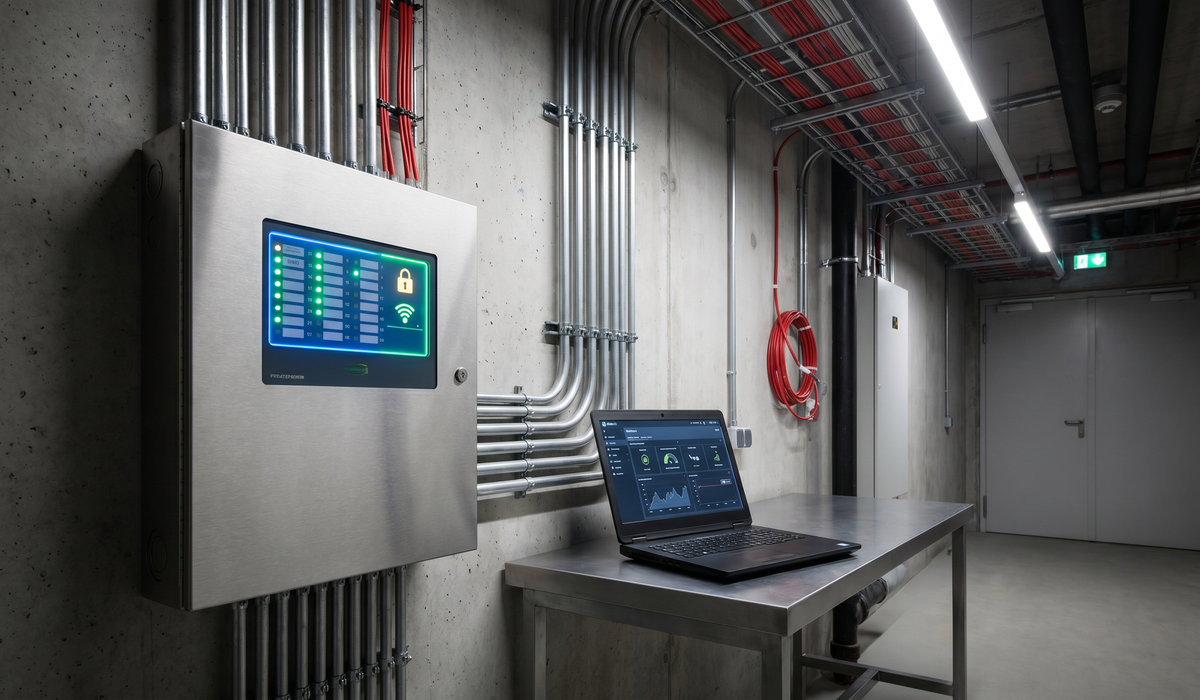
Remote Monitoring Systems
- Modern fire systems with remote monitoring capabilities provide significant ROI advantages:
- 24/7 system status monitoring reduces emergency service calls by up to 40%
- Predictive maintenance alerts prevent failures before they occur
- Automated compliance reporting reduces administrative time by 60%
- Real-time performance data enables optimization of maintenance schedules
Digital Documentation Benefits
The 2025 Fire Safety Industry Report shows that 29% of businesses still struggle with paper documentation. Digital systems provide measurable ROI through reduced inspection time, improved compliance accuracy, faster proposal generation, and enhanced customer communication.
Implementing Your Preventative Maintenance Strategy
Essential Program Components
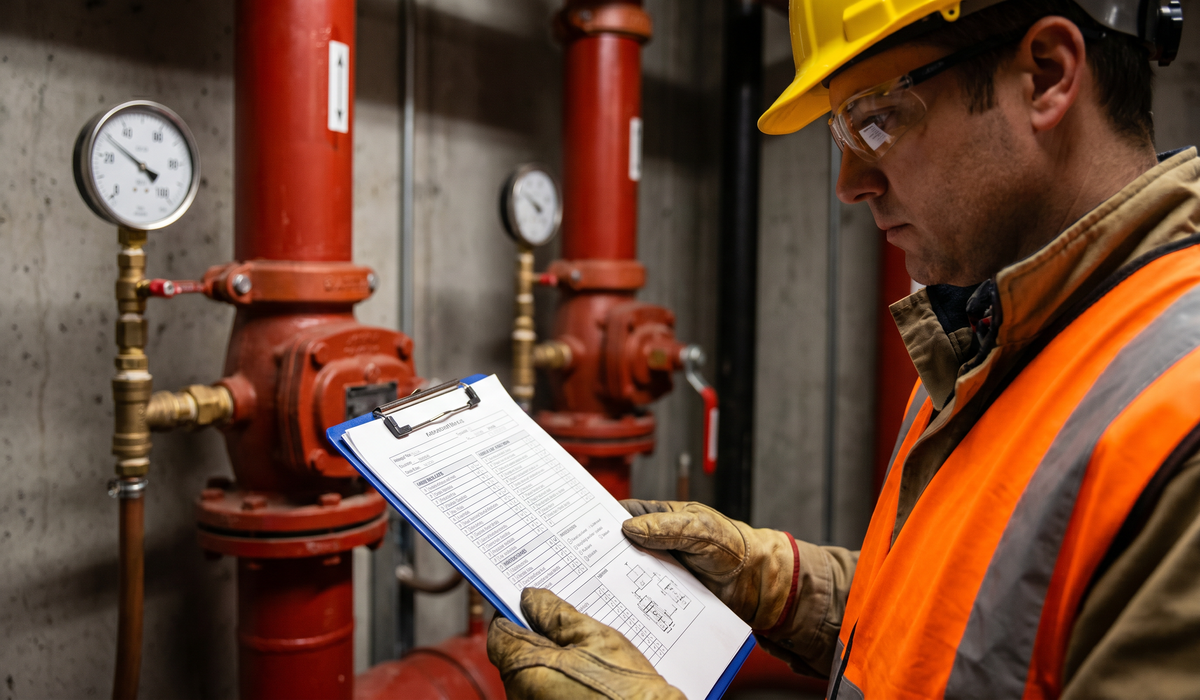
A comprehensive preventative maintenance program should include:
Monthly Inspections:
- Visual system checks and status verification
- Battery backup testing and documentation
- Control panel functionality verification
- Emergency lighting and exit sign testing
Quarterly Services:
- Detailed component inspections
- Sensor cleaning and calibration
- Connection tightening and corrosion checks
- Performance testing and documentation
Annual Comprehensive Testing:
- Full system functionality testing
- Code compliance verification
- Equipment lifecycle assessment
- Maintenance plan optimization
Key Performance Indicators
Track these metrics to measure your maintenance program's effectiveness:
| Metric | Target Goal | ROI Impact |
|---|---|---|
| Emergency Service Calls | Less than 1 per year | High cost avoidance |
| Compliance Pass Rate | 100% | Avoid fines and shutdowns |
| System Downtime | Less than 4 hours annually | Business continuity |
| Insurance Premium Trends | Stable or decreasing | Direct cost savings |
Fire Testing Solutions provides comprehensive maintenance programs designed specifically for Southern California's regulatory environment. Learn more about our maintenance plans and how we help businesses maximize their fire safety ROI.
Conclusion: Your Fire Safety Investment Pays Dividends
The evidence is clear: preventative fire system maintenance isn't just about safety—it's about smart business management. With documented ROI of 300-400% and California's evolving regulatory landscape, proactive maintenance has never been more financially compelling.
Key Benefits:
- Dramatic cost savings compared to reactive maintenance approaches
- Insurance premium reductions that often cover entire program costs
- Regulatory compliance that avoids costly fines and shutdowns
- Extended equipment life that maximizes your fire safety investments
- Peace of mind knowing your systems will perform when needed
Don't wait for an emergency to discover the true cost of deferred maintenance. Every day you delay implementing a comprehensive preventative maintenance program, you're choosing to pay more for less reliable fire protection.
Ready to start saving money while improving your fire safety?
Contact Fire Testing Solutions today at (866) 757-8378 or schedule your consultation online.
Our Southern California fire safety experts will assess your current systems and develop a customized maintenance plan that maximizes your ROI while ensuring optimal protection for your property and people.