Fire Alarm Inspection Requirements in California: How Often & What's Tested
As a California property manager, you juggle a dozen different responsibilities every day. Between tenant requests, maintenance issues, and budget meetings, the last thing you want to worry about is a surprise visit from the fire marshal. Yet, when it comes to your building's fire alarm system, what you don't know can hurt you—in the form of failed inspections, costly fines, and most importantly, compromised tenant safety.
Ever felt that knot in your stomach when you see an inspection notice? You're not alone. The rules for fire alarm testing in California are complex, with overlapping codes from the state and your local fire department. It's a lot to keep track of, and the stakes are incredibly high.
This guide is here to cut through the confusion. We'll break down exactly what California law requires for fire alarm inspections, how often they need to happen, and what inspectors are looking for. Think of this as your simple, straightforward roadmap to fire alarm compliance.
Why Fire Alarm Inspections Are a Big Deal in California
Let's start with the basics. A fire alarm inspection isn't just about checking a box. It's a comprehensive test to ensure every single component of your life safety system works exactly as it should when an emergency strikes. In California, these inspections are mandated by law, primarily through the California Fire Code (CFC) and NFPA 72, the National Fire Alarm and Signaling Code®.
Failing to comply isn't just a paperwork problem. It can lead to:
- Legal Liability:
In the event of a fire, a poorly maintained system can result in significant legal and financial consequences.
- Costly Fines: Local fire departments can issue fines for non-compliance, which can add up quickly.
- Increased Insurance Premiums: Insurance carriers often require proof of regular inspections to maintain coverage and favorable rates.
- Tenant Safety Risks: Most importantly, a system that doesn't work puts your tenants' lives at risk.
How Often Are Fire Alarm Inspections Required in California?
This is the question every property manager asks. The answer isn't a single date, but a recurring schedule of tests. Think of it like maintaining a car—some things need a quick check every month, while others need a deep dive once a year.
Here’s a simple breakdown of the fire alarm inspection schedule required by NFPA 72 and the California Fire Code:
| Frequency | What's Required | Key Activities |
|---|---|---|
| Annually | Full System Test | A complete, top-to-bottom functional test of every component in your fire alarm system. This is the most critical inspection. |
| Semi-Annually | Battery & Power Supply Test | Technicians test the system's backup batteries to ensure they will function during a power outage. |
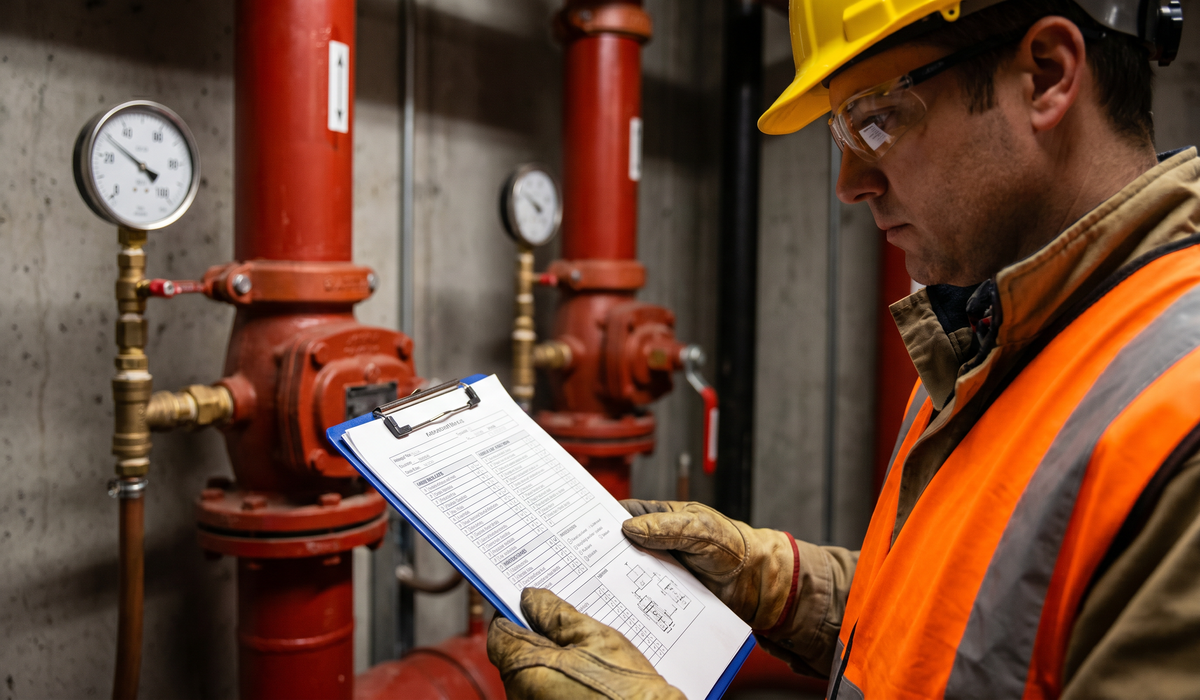
| Quarterly | Supervisory Signal Device Test | Testing of devices that monitor other fire protection systems, like sprinkler waterflow and valve tamper switches. |
| Monthly | Visual Inspection | A quick visual check of the fire alarm control panel to ensure it's in normal condition with no trouble or supervisory signals. |
Keeping up with this schedule is non-negotiable for compliance. While monthly checks can often be done by trained on-site staff, the annual, semi-annual, and quarterly tests must be performed by qualified professionals.
Need help managing your inspection schedule? Fire Testing Solutions can create a customized testing plan for your property to ensure you never miss a required inspection.
Book a call with us today to learn more.
What Gets Tested During an Annual Fire Alarm Inspection?
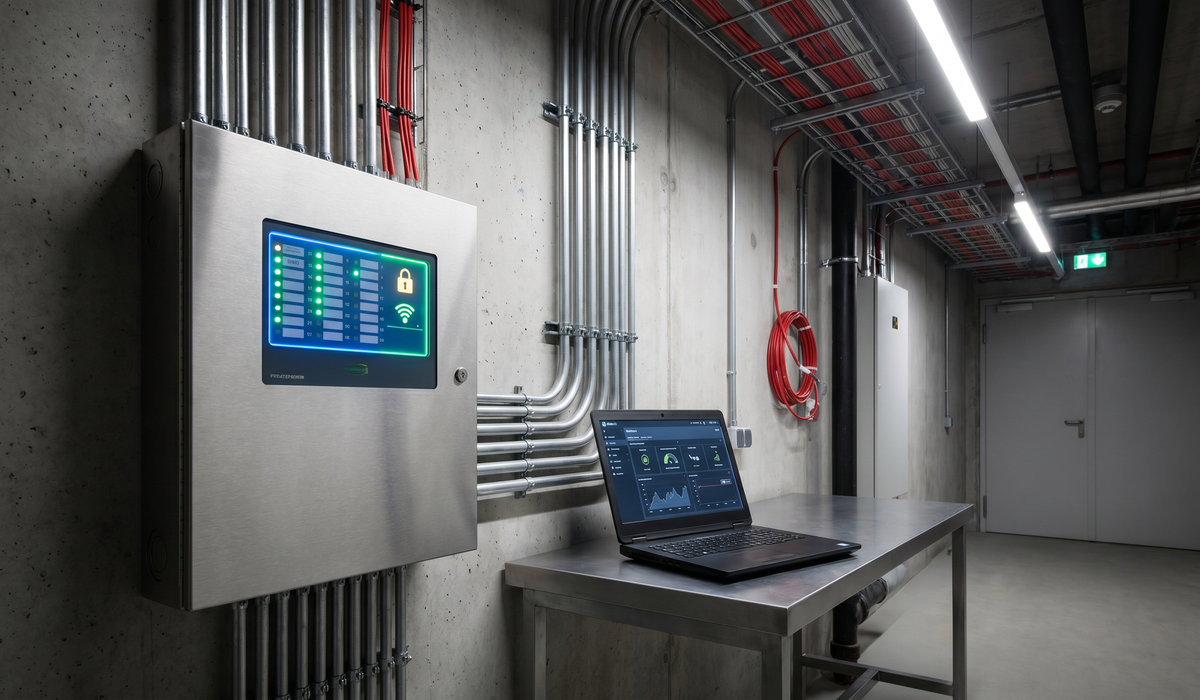
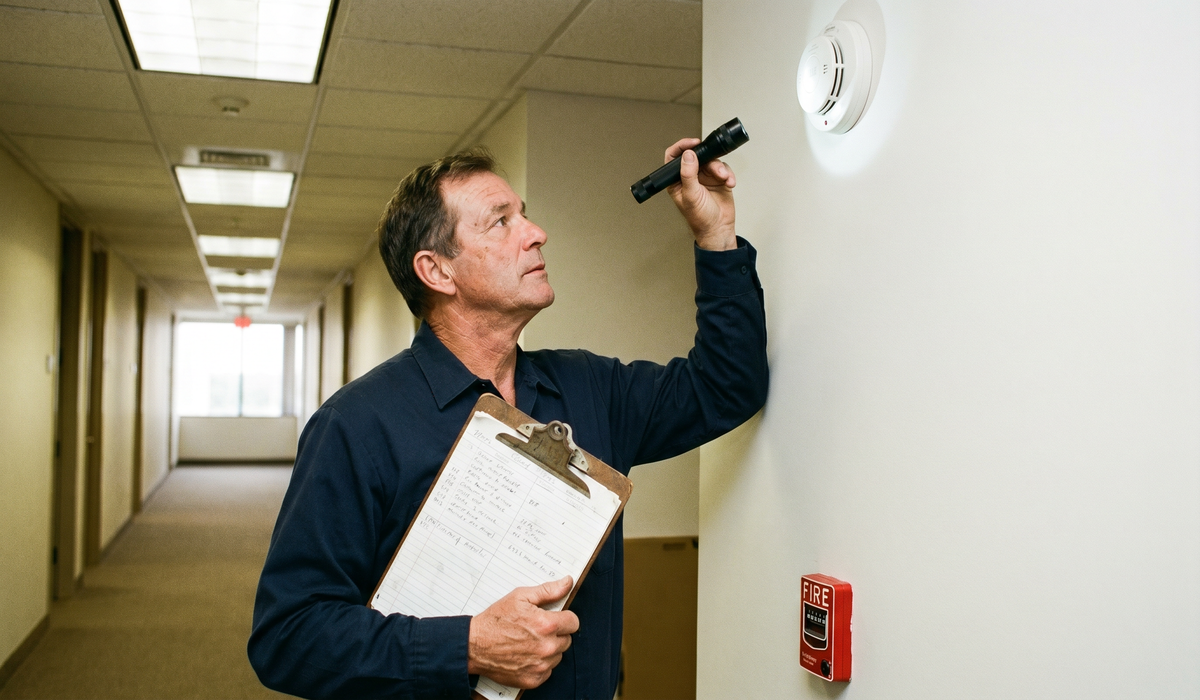
- Control Panel (FACU): The technician will test the “brain” of your system, checking its functions, fuses, and communication with the monitoring station.
- Initiating Devices: Every single device that can trigger an alarm is tested, including:
- Smoke Detectors: Tested with canned smoke to ensure they detect smoke particles.
- Heat Detectors: Tested with a heat gun to verify activation at the correct temperature.
- Manual Pull Stations: Physically activated to confirm they send a signal.
- Duct Detectors: Tested to ensure they shut down HVAC units to prevent smoke spread.
3. Notification Appliances: Every device that alerts occupants is tested:
- Horns & Strobes: Verified to be loud and bright enough to meet code.
- Speakers: Checked for clear audio in voice evacuation systems.
4. Power Supplies: Both the primary (AC) and secondary (battery) power sources are tested to ensure the system will work during a power outage.
5. System Integration: The technician will verify that the fire alarm system correctly communicates with other building systems, such as:
- Elevator Recall: Ensuring elevators return to the ground floor.
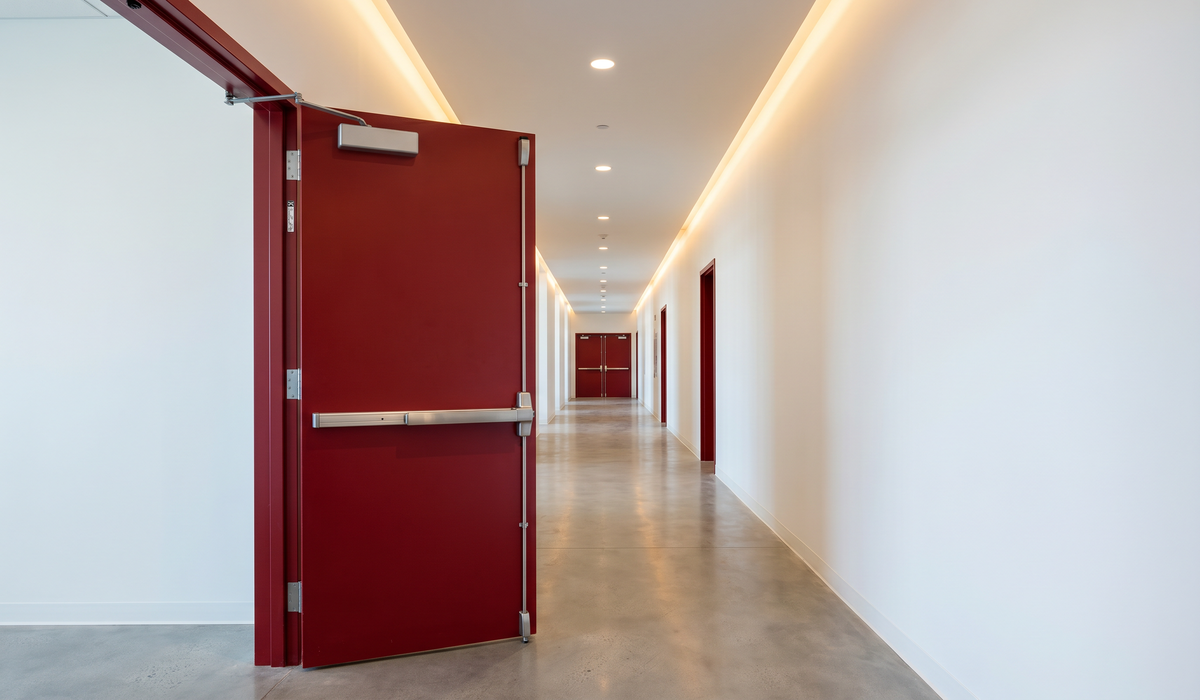
- Access Control: Confirming that electronically locked doors unlock for egress.
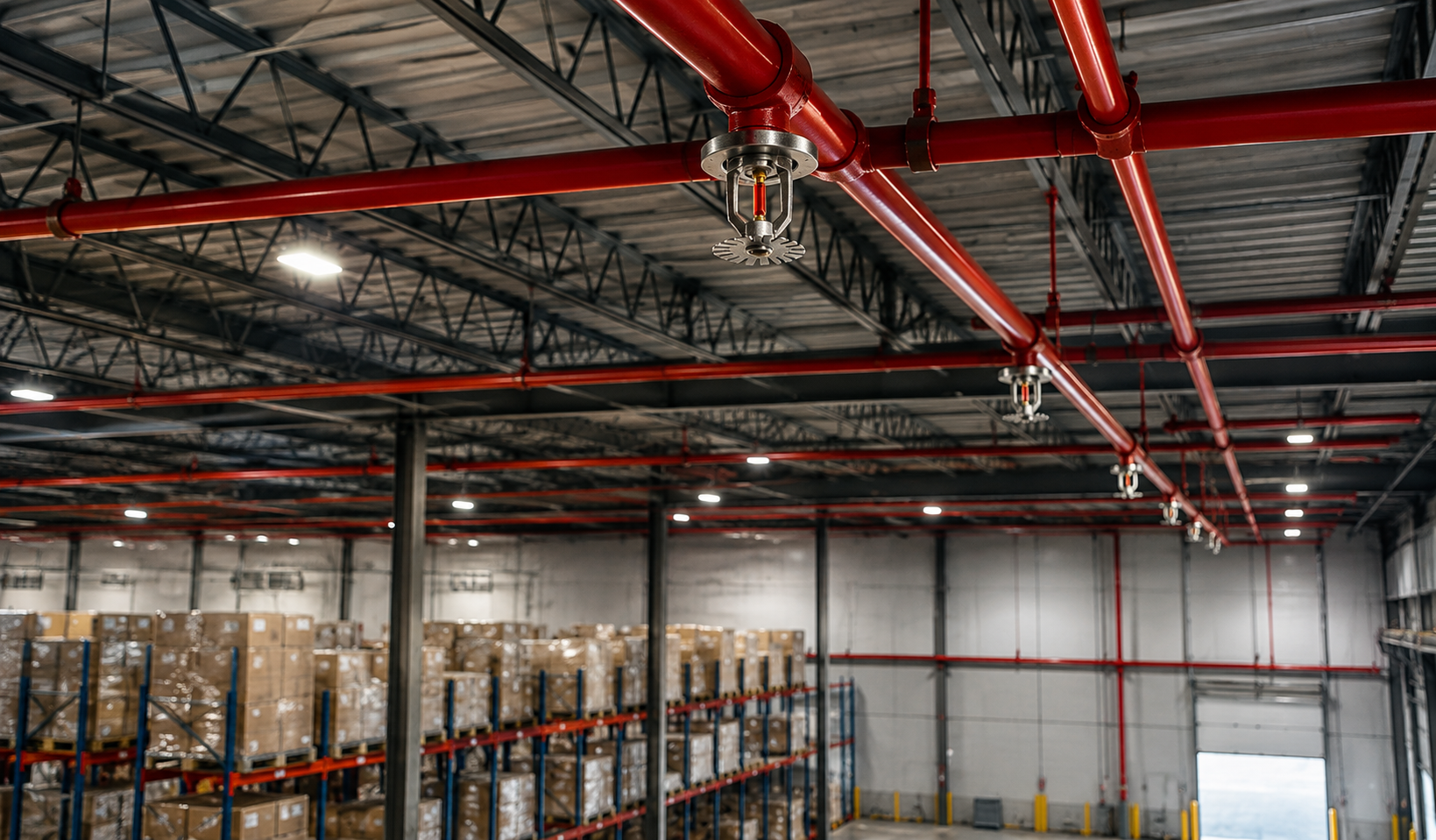
- Fire Sprinkler System: Verifying that waterflow and tamper switches send the correct signals.
6. Documentation: Finally, the technician will place a new, dated inspection tag on the control panel and provide you with a detailed report for your records and for the fire marshal.
Fire Alarm Requirements for Multifamily Properties in California
If you manage an apartment building, condominium complex, or other multifamily property in California, you have specific requirements to follow. The California Building Code (CBC) and California Fire Code (CFC) mandate that all multifamily residential buildings have an automatic fire alarm system.
Key requirements for multifamily properties include:
- Smoke Alarms in Units:
Every sleeping area must have a functional smoke alarm. For new construction, these must be hard-wired with a battery backup
- Common Area Coverage: Fire alarm notification appliances (horns, strobes) must be present in common areas like hallways, lobbies, and laundry rooms to ensure all residents are alerted.
- System Monitoring: In most cases, the fire alarm system must be monitored by a central station that can dispatch the fire department.
As the property owner or manager, you are legally responsible for installing, maintaining, and testing these systems. This isn't just a recommendation; it's the law.
How Fire Testing Solutions Makes Compliance Simple
We get it. This is a lot to manage. That's where Fire Testing Solutions comes in. We act as your compliance partner, taking the complexity of fire alarm testing off your plate so you can focus on managing your property.
Here’s how we help:
- We Know Southern California:
With over 40 years of experience, we have deep expertise in the specific codes and amendments of Los Angeles, Orange, San Diego, and surrounding counties.
- We Handle the Entire Process: From scheduling the inspection and notifying tenants to performing the tests and providing the documentation, we manage it all.
- We Use NICET-Certified Technicians: Our team is highly trained and certified, ensuring your inspections are done right the first time.
- We Provide Clear Documentation: You’ll receive a detailed, easy-to-understand report that satisfies your local fire marshal and your insurance company.
Instead of juggling multiple vendors and trying to decipher codebooks, you can make one call to us. We ensure your building is safe, your tenants are protected, and you are 100% compliant.
Ready to simplify your fire alarm compliance? Call us at
866-757-8378 or email
service@firetestingsolutions.com to get started.
Frequently Asked Questions (FAQs)
1. How often are fire alarm inspections required in California?
A full functional test of your entire fire alarm system is required
annually. Additionally, semi-annual, quarterly, and monthly inspections are required for specific components like batteries and supervisory devices.
2. What gets tested during an annual fire alarm inspection?
During an annual inspection, 100% of your system's components are tested. This includes the control panel, all smoke and heat detectors, pull stations, horns, strobes, power supplies, and integrations with other building systems like elevators and access control.
3. Who can legally perform fire alarm inspections in California?
In California, fire alarm inspections must be performed by qualified personnel. This typically means a technician who is certified by the State Fire Marshal and/or holds a C-16 Fire Protection Contractor license. Using a company with NICET-certified technicians, like Fire Testing Solutions, is a best practice that ensures a high level of expertise.
4. What happens if my building fails a fire alarm inspection?
If your system fails inspection, the fire marshal will issue a notice of violation, which includes a deadline for making repairs. You will need to hire a licensed contractor to fix the deficiencies and then schedule a re-inspection to verify compliance. Fire Testing Solutions can help diagnose the issue, perform the necessary repairs, and ensure your system passes the re-inspection.
Your Partner in Fire Safety
Staying on top of fire alarm inspection requirements is one of the most important responsibilities you have as a property manager. It ensures the safety of your tenants, protects your investment, and keeps you in good standing with your local fire authority.
By understanding the required inspection frequencies and what gets tested, you can proactively manage your building’s compliance. And by partnering with a trusted expert like Fire Testing Solutions, you can make the entire process simple and stress-free.
Don't wait for a notice from the fire marshal. Take control of your fire safety today.
Contact Us:
- Book a Call:
https://www.firetestingsolutions.com/contact
- Phone: 866-757-8378
- Email: service@firetestingsolutions.com
- Address: 700 W. First St, Suite 10, Tustin, CA 92780