Budgeting for Fire Protection: A Strategic Guide for Property Managers
The True Cost of Inadequate Fire Protection
Cutting corners on fire safety doesn't just risk lives—it risks your entire investment:
| Cost Category | Financial Impact | Example |
|---|---|---|
| Property Damage | $3-7 per square foot | $300,000-700,000 for a 100,000 sq ft building |
| Business Interruption | 40% of businesses never reopen | Months of lost revenue and tenant relationships |
| Insurance Premium Increases | 25-50% increase after incident | Tens of thousands in additional annual costs |
| Legal Liability | Millions in potential lawsuits | Personal and corporate liability exposure |
Fire Testing Solutions helps: Our comprehensive fire alarm testing services ensure your systems work when needed, protecting your property investment and helping maintain favorable insurance rates.
📞 Call 866-757-8378 or
Book Your Appointment
Smart Budgeting: The 5-Step Fire Protection Plan
Step 1: Assess Your Current Systems
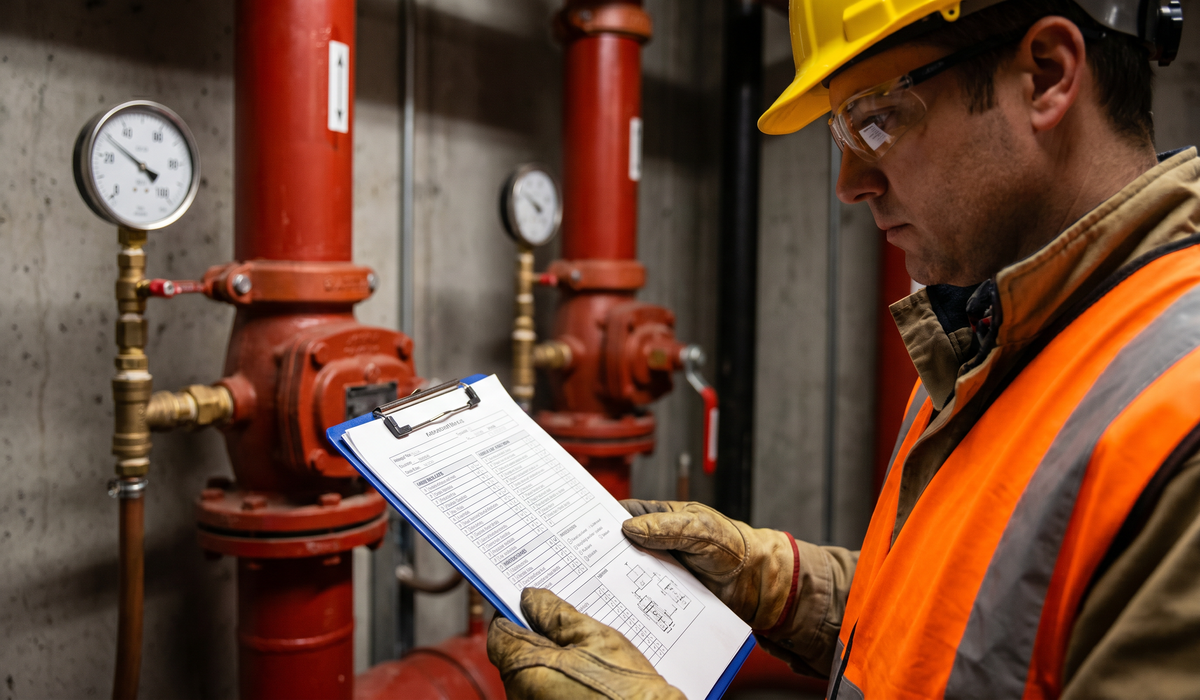
Before allocating budget, know exactly what you have and what you need:
• Inventory all systems: Fire alarms, sprinklers, extinguishers, emergency lighting
• Document system age: Equipment over 10 years old often needs replacement
• Identify compliance gaps: Compare your systems to current Southern California fire codes
•
Calculate replacement costs: Budget 1-3% of property value annually for fire safety
Pro Tip: Most Southern California jurisdictions now require annual third-party verification of all fire protection systems—factor this into your budget planning.
Step 2: Prioritize Based on Risk and Compliance
Not all fire protection needs are equal. Prioritize your budget using this framework:
| Priority Level | System Type | Budget Timing | Compliance Risk |
|---|---|---|---|
| Critical | Fire alarm systems | Immediate | High fines, possible shutdown |
| High | Sprinkler systems | Within 3 months | Code violations, insurance issues |
| Medium | Fire extinguishers | Within 6 months | Citations during inspection |
| Standard | Emergency lighting | Annual planning | Minor violations |
Fire Testing Solutions expertise: Our team can conduct a comprehensive risk assessment of your property, identifying critical compliance issues before they become expensive problems.
📞 Call 866-757-8378 or Book Your Appointment
Step 3: Create a Multi-Year Budget Plan
Fire protection isn't a one-time expense—it requires ongoing investment:
• Year 1: Focus on critical compliance issues and system assessments
• Years 2-3: Schedule major system upgrades and replacements
• Years 4-5: Implement technology improvements and integration
• Ongoing: Allocate 10-15% of your fire safety budget for emergency repairs
Budget Allocation Example:
| Budget Category | Percentage | What It Covers |
|---|---|---|
| Testing & Inspection | 25-30% | Annual certifications, monthly checks |
| Maintenance & Repair | 20-25% | Regular service, parts replacement |
| System Upgrades | 30-35% | Phased equipment modernization |
| Emergency Fund | 10-15% | Unexpected repairs and replacements |
| Training | 5-10% | Staff fire safety education |
Step 4: Leverage Technology for Cost Savings
Modern fire protection systems can actually reduce long-term costs:
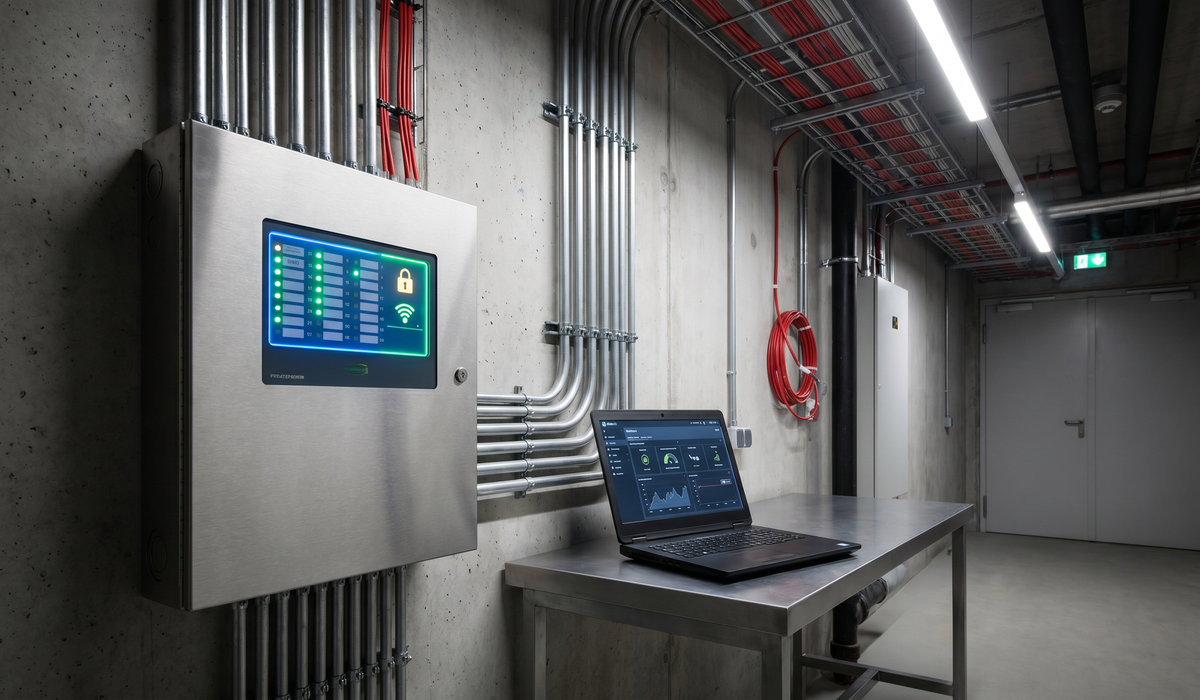
• Smart monitoring systems: Reduce false alarms by up to 65%, saving on emergency response fees
• Integrated systems: Combine fire, security, and building management for 15-20% savings
• Remote diagnostics: Identify issues before they require expensive emergency repairs
• Energy-efficient systems: Reduce power consumption by up to 30% compared to older systems
Fire Testing Solutions advantage: Our alarm monitoring services include remote diagnostics and smart system integration, helping you identify potential issues before they become costly emergencies.
📞 Call 866-757-8378 or Book Your Appointment
Step 5: Maximize Insurance Benefits
Your fire protection investments can pay for themselves through insurance saving:
• Premium reductions: Up to 13% savings with modern, well-maintained systems
• Deductible benefits: Some policies offer lower deductibles with certified systems
• Documentation advantage: Proper testing records can expedite claims processing
• Risk rating improvements: Better protection systems can improve your property's risk classification
Documentation Matters: Southern California insurers increasingly require proof of professional fire system maintenance. Fire Testing Solutions provides comprehensive digital documentation that satisfies all major insurance providers.
Cost-Saving Strategies for Southern California Properties
Phased Implementation
Instead of a complete system overhaul, consider this approach:
• Phase 1: Address critical compliance issues (immediate)
• Phase 2: Upgrade main panel and monitoring systems (3-6 months)
• Phase 3: Replace detection devices and notification appliances (6-12 months)
• Phase 4: Integrate with other building systems (12-18 months)
Fire Testing Solutions installation: Our team specializes in phased implementation that minimizes disruption while maintaining compliance throughout the upgrade process.
Maintenance Contracts
Annual service agreements typically save 15-25% compared to individual service calls:
• Predictable budgeting: Fixed annual costs for easier planning
• Priority service: Faster response during emergencies
• Compliance assurance: Regular inspections maintain code compliance
• Extended equipment life: Preventative maintenance reduces replacement frequency
Fire Testing Solutions repair services: Our maintenance contracts include priority emergency response and comprehensive documentation for all Southern California jurisdictions.
📞 Call 866-757-8378 or
Book Your Appointment
Conclusion: The Smart Investment Approach
Fire protection budgeting isn't about spending the least—it's about investing wisely. Property managers who approach fire safety as a strategic investment rather than an expense typically see:
• Lower total cost of ownership through reduced emergency repairs
• Fewer business interruptions from system failures or false alarms
• Better tenant relationships due to reliable safety systems
• Reduced insurance costs through documented maintenance programs
• Simplified compliance with Southern California's strict fire codes
By following this strategic budgeting approach, you'll not only protect your property and its occupants but also optimize your operational expenses and enhance your property's value.
Fire Testing Solutions partners with property managers across Southern California to develop and implement cost-effective fire protection strategies. From system assessment through installation, monitoring, and ongoing maintenance, our comprehensive services ensure your fire protection budget delivers maximum value and compliance
Ready to optimize your fire protection budget? Contact Fire Testing Solutions at 866-757-8378 or visit www.firetestingsolutions.com/contact to schedule your consultation today.