The Complete Guide to Fire System Maintenance and Insurance Savings for Southern California Properties
When property managers in Southern California review their annual operating budgets, insurance premiums are often one of the largest and fastest-growing line items. As wildfire risks increase and building replacement costs soar, insurance carriers are fundamentally changing how they evaluate commercial property risk.
If you are simply paying your premium increases year after year without reviewing your fire protection documentation, you are likely leaving money on the table. Insurance companies reward properties that demonstrate proactive fire safety management. Conversely, properties with inadequate maintenance records face higher premiums, mandated system upgrades, or even policy non-renewal.
This comprehensive guide explains how proper fire system maintenance directly impacts your insurance costs, what documentation carriers require, and how partnering with a licensed fire protection company can help you secure and maintain significant premium discounts.
How Insurers Evaluate Fire Risk
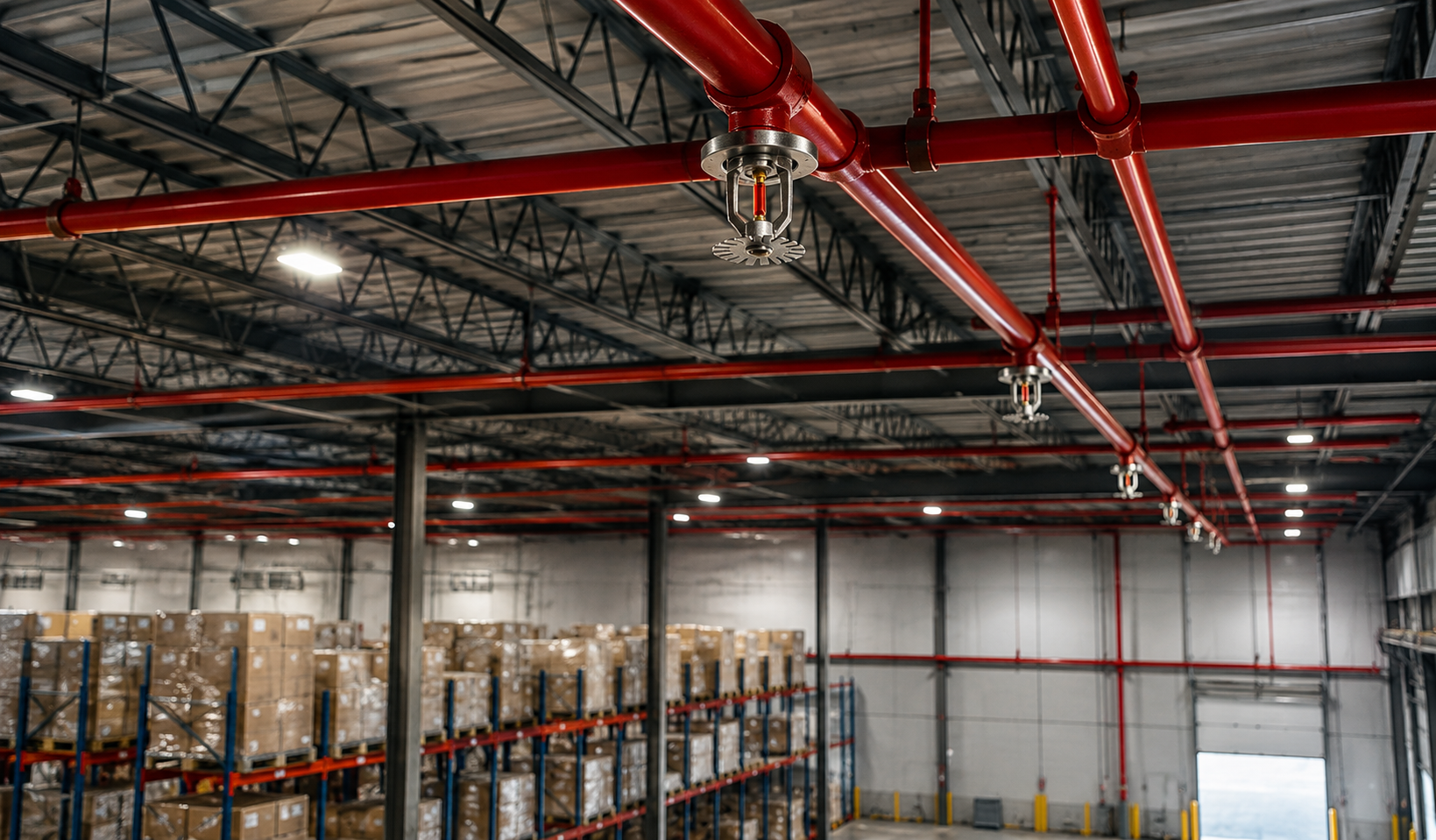
Insurance underwriters do not like surprises. When they evaluate a commercial property, they are looking for predictable, mitigated risk. A well-maintained fire sprinkler system is 95% effective at controlling fires [1]. Because of this, carriers offer substantial premium discounts—often ranging from 15% to 45%—for properties with fully operational, monitored fire protection systems.
However, simply having a sprinkler system installed is no longer enough. Insurers know that a poorly maintained system can fail when it is needed most. Therefore, the discount is not for the
presence of the system; it is for the
proven reliability of the system.
To prove reliability, insurers require strict adherence to national standards, specifically NFPA 25 (The Standard for the Inspection, Testing, and Maintenance of Water-Based Fire Protection Systems). If you cannot prove your system is compliant with NFPA 25, the insurer will assume it is not compliant, and your premiums will reflect that assumed risk.
The Documentation Requirement: Proof of Compliance
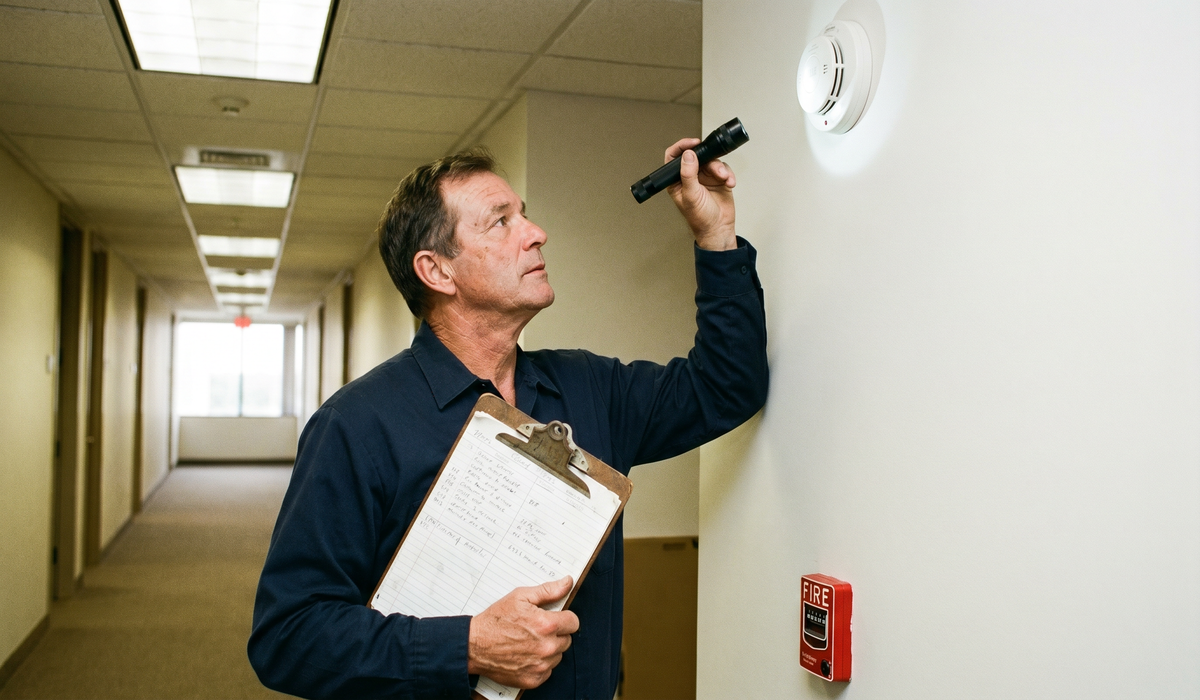
The most critical factor in securing and keeping your insurance discounts is documentation. When an insurance inspector audits your property, they are looking for a flawless paper trail.
According to NFPA 25 Section 4.3, records for all inspections, tests, and maintenance must be maintained by the property owner [2]. These records must clearly show:
- The procedure performed (e.g., quarterly inspection, annual test)
- The organization performing the activity
- The results and date of the activity
- The name and contact information of the qualified person who performed the work
If your records are incomplete, missing, or show uncorrected deficiencies, your carrier may remove your existing discounts, which can increase your premiums by 15% to 45% overnight. For a deep dive into exactly what paperwork your carrier will ask for during an audit, read our detailed guide on
Fire Sprinkler Inspection Records: What Your Insurance Company Actually Wants to See.
California's Safer from Wildfires Initiative
Property owners in California have a unique regulatory advantage when it comes to insurance savings. The California Department of Insurance (CDI) implemented the "Safer from Wildfires" initiative, which requires insurance companies to offer discounts to properties that take proactive wildfire mitigation actions [3].
While this initiative focuses heavily on exterior factors like defensible space and Class A fire-rated roofs, the overall posture of the CDI is to reward proactive risk management. Furthermore, properties located in recognized Firewise USA communities often receive additional insurance benefits from major carriers. Maintaining flawless interior fire protection systems demonstrates the exact type of comprehensive risk management that underwriters look for when applying these state-mandated discounts.
The Cost of Poor Maintenance
Failing to maintain your fire systems does more than just cost you your premium discounts. It exposes your property to severe financial and legal liabilities.
If a fire occurs and the subsequent investigation reveals that your sprinkler system failed because of neglected maintenance, your insurance carrier may deny your claim entirely. Insurers deny a significant percentage of commercial fire claims every year, and inadequate documentation of system maintenance is one of the most common reasons for denial.
Furthermore, if your system fails a routine inspection by the local Authority Having Jurisdiction (AHJ) and you do not correct the deficiencies promptly, your insurance carrier may issue a notice of cancellation, leaving your property uninsured and in violation of your mortgage covenants.
How Fire Testing Solutions Can Help
Securing maximum insurance discounts requires more than just a maintenance team; it requires a licensed, professional fire protection partner. Fire Testing Solutions has been serving Southern California property managers for over 40 years, providing the exact documentation and certifications that insurance companies demand.
We help you maximize your insurance savings through our comprehensive
services:
- Fire Alarm Testing: We conduct thorough life safety tests per NFPA and local authority standards, providing the flawless documentation your insurance carrier requires.
- Alarm Monitoring: Our redundant, UL-listed central station monitoring provides 24/7 system status verification—a feature that many carriers require for their highest discount tiers.
- Repair: When deficiencies are found, our expert team provides rapid, professional repairs to ensure your system remains compliant and your insurance coverage remains intact.
- Installation: If your aging system is causing your premiums to spike, we provide cutting-edge installation services to bring your property up to modern, highly-discounted standards.
By partnering with Fire Testing Solutions, you ensure that your maintenance program pays for itself through sustained insurance reductions and reliable property protection.
Frequently Asked Questions
How much can I save on my insurance by maintaining my fire systems?
While exact figures vary by carrier and property type, properties with comprehensive, well-documented, and monitored fire protection systems typically see premium discounts ranging from 15% to 45% compared to properties with unverified systems.
Will my insurance company notify me before removing a discount?
Typically, carriers will request your updated NFPA 25 inspection records 60 to 90 days before your policy renewal. If you cannot provide the required documentation, the renewal policy will often be issued without the discount applied.
Does it matter who performs the fire system inspections?
Yes. Insurance carriers and local fire codes require that inspections, testing, and maintenance be performed by licensed fire protection professionals. In California, this generally requires a C-16 licensed contractor. DIY maintenance or inspections by unlicensed handymen will not qualify for insurance discounts.
What should I do if my system fails an inspection right before my insurance renewal?
You must act immediately. Have a licensed fire protection company correct the deficiency and issue a clean, passing report. Providing your carrier with documentation that a problem was identified and rapidly resolved demonstrates proactive management and helps protect your coverage status.
Conclusion
In today's insurance market, your fire system maintenance records are just as valuable as the systems themselves. Proper adherence to NFPA 25, combined with flawless documentation and UL-listed monitoring, is the proven formula for securing maximum premium discounts in Southern California. By treating your fire protection maintenance as a strategic financial asset rather than a simple operational chore, you can significantly reduce your overhead costs while ensuring your property remains fully protected.
Are your fire system records ready for your next insurance renewal? Don't wait for your carrier to ask for documentation you might not have. Contact Fire Testing Solutions today to schedule a professional assessment and ensure you are maximizing your insurance savings.
- Book a call:
https://www.firetestingsolutions.com/contact
- Phone Number: 866-757-8378
- Email: service@firetestingsolutions.com
- Address: 700 W. First St, Suite 10, Tustin, CA 92780
References
[1] National Fire Protection Association. "U.S. Experience with Sprinklers." https://www.nfpa.org/education-and-research/research/fire-protection-research-foundation
[2] National Fire Sprinkler Association. "The Basics of NFPA 25 Record Keeping." https://nfsa.org/2021/03/08/the-basics-of-nfpa-25-record-keeping/
[3] California Department of Insurance. "Safer from Wildfires." https://www.insurance.ca.gov/01-consumers/200-wrr/Safer-from-Wildfires.cfm