Fire Inspection Deadlines in Orange County: What They Are — and What Happens If You Miss Them

Seth Kozlik
Fire inspections are not optional in Orange County. Whether you’re a property manager, building owner, or compliance officer, keeping up with inspection deadlines is critical for safety, legal compliance, and business continuity.

In this guide, we’ll walk you through:
  • The fire inspection timelines required by law
  • What happens when you miss one
  • What steps you should take next

Who Sets the Rules in Orange County?

Fire inspection schedules are guided by:


Together, these authorities establish what must be inspected, how often, and what happens when standards aren’t met.

Fire Inspection Deadlines by System
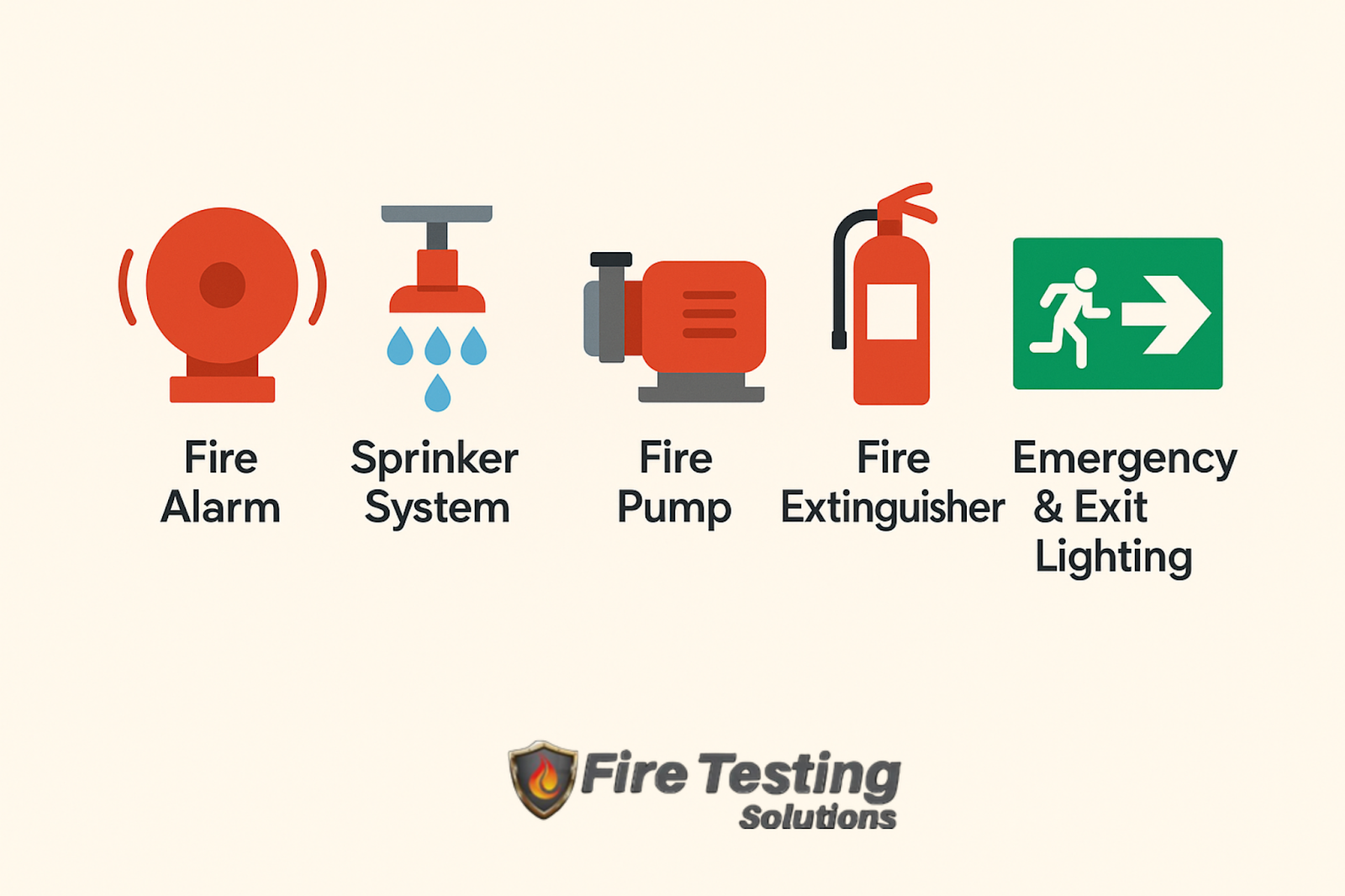
System Frequency Code
Fire Alarm System Annually NFPA 72
Sprinkler System Quarterly & Annually NFPA 25
Fire Pumps Weekly (Visual), Annually (Test) NFPA 25
Fire Extinguishers Monthly (Visual), Annually (Maintenance) NFPA 10
Emergency & Exit Lighting Monthly CFC
Kitchen Suppression Systems Every 6 Months NFPA 96

 What Happens If You Miss These Deadlines?

1. Legal Risk


  • The Orange County Fire Authority can issue citations or a “Notice of Violation.”
  • In some cases, your building may be red-tagged or temporarily shut down.


2. Insurance Risk


  • Fire damage claims may be denied if the inspection log is outdated or missing.
  • This can cost thousands in out-of-pocket repairs.


3. Safety Risk


  • Fire systems degrade over time. Missed inspections could mean malfunctions during an actual emergency.
  • Lives and property are at stake.


4. Reputational Risk


  • Tenants, customers, and inspectors may lose confidence in your building’s management.
  • This can impact leasing, audits, or real estate transactions.

Is There Any Grace Period?

Yes — in most cases, the OCFA gives you 14 to 30 days after a Notice of Violation.

But don’t wait. You’ll still be liable if an incident occurs during that grace period.

What Should Property Managers, Compliance Managers, and Building Owners Do If You're Late?

Schedule an Emergency Fire System Inspection


  • Whether it's alarms, extinguishers, or sprinklers — get them inspected immediately by a certified provider.


Document the Oversight and Your Immediate Actions


  • Keep a written log of when the deadline was missed and the steps you’ve taken. This shows good faith in case of review by the AHJ or insurance.


Inform Your Insurance Provider (If Applicable)


  • Let them know you’re actively resolving the lapse — it could help maintain coverage integrity.


Notify the Fire Authority If You’ve Received a Violation


  • Communicate directly with the OCFA or your local AHJ. A prompt response may help avoid fines or escalations.


Implement a Preventive System


  • Use digital reminders or partner with a service provider like Fire Testing Solutions to handle recurring scheduling.

How Fire Testing Solutions Can Help

At Fire Testing Solutions, we work with property managers, facility teams, and building owners across Orange County to:


✅ Perform rapid, on-site inspections (even for missed deadlines)
✅ Deliver AHJ-compliant reports and documentation
✅ Test alarms, extinguishers, sprinklers, fire pumps, exit lights, and more
✅ Set up automated scheduling to avoid future delays
✅ Guide you through insurance and compliance protocols

Let’s Get You Back on Track

If you’ve missed a deadline — or are unsure when your next one is — let’s fix it before it becomes a bigger issue.


We keep your systems compliant. You keep your business running.


Contact Us Now

By Seth Kozlik May 23, 2026
California shopping malls must maintain four integrated fire protection systems to stay compliant: automatic sprinklers, fire alarm and EVACS, smoke control, and means of egress. Learn what each pillar requires under the California Fire Code and NFPA standards.
Row of beige portable buildings with steps along a paved path on a sunny day
By Seth Kozlik May 13, 2026
Are your portable classrooms properly integrated into the campus fire alarm system? Learn the DSA 25-foot rule, NFPA 72 testing requirements, and California Fire Code mandates for relocatable school buildings.
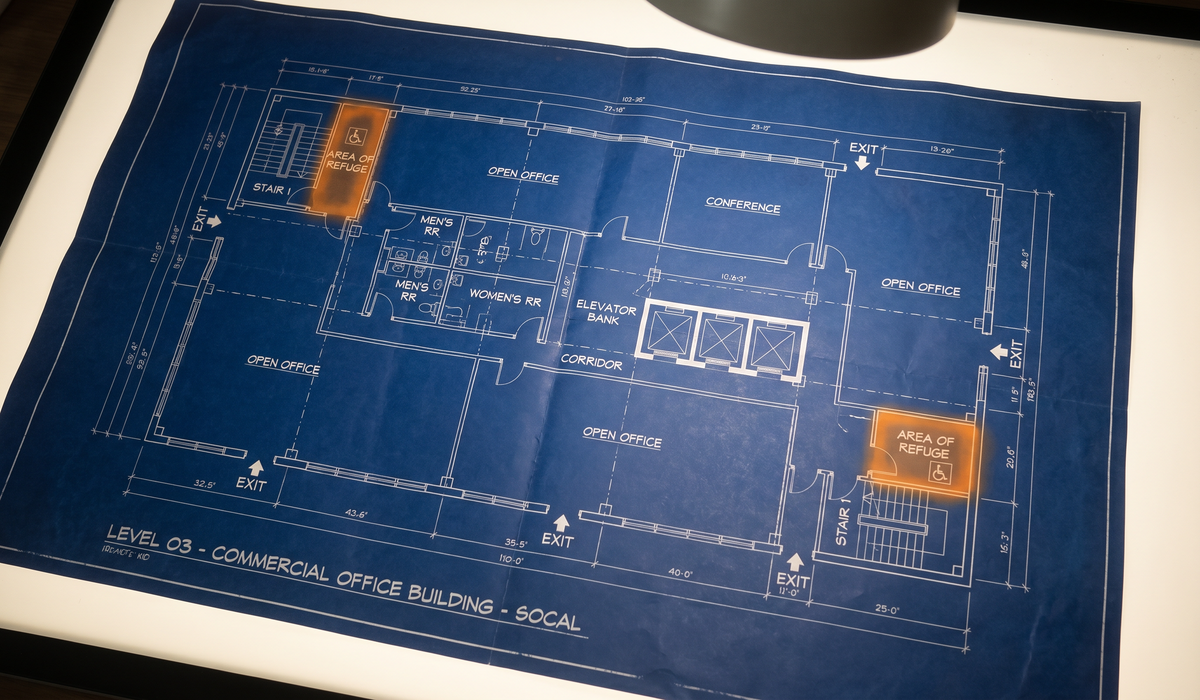
Blue architectural blueprint with white floor plan lines and two orange labels on a table
By Seth Kozlik May 8, 2026
Does your Southern California commercial building legally require an Area of Refuge? Learn which buildings need one under the California Building Code, what the law requires, and how to stay compliant.
Maintenance worker inspecting a hallway wall with a flashlight and clipboard
By Seth Kozlik April 28, 2026
Not sure who is responsible for fire alarm compliance in your Southern California commercial property? Learn what California law says about property owners, managers, AHJs, and licensed contractors.
Underground parking garage with three parked cars and EV charging stations on the right.
By Seth Kozlik April 22, 2026
Adding EV chargers to your Southern California parking garage? Learn what NFPA 13 and NFPA 88A require for sprinkler systems — and how to stay compliant.
A long, perspective view of a warehouse aisle with pallets stacked high on metal shelving under bright overhead lights.
By Seth Kozlik April 15, 2026
Managing a cold storage facility in Southern California is complex enough without the constant worry of fire code violations. If you are a property manager or compliance officer, understanding how your fire alarm system integrates with your specialized sprinklers is the key to passing your next inspection and keeping your facility safe. Imagine this scenario: It is 2:00 AM at your cold storage distribution center in the Inland Empire. A small electrical fire starts near a forklift charging station. In a standard warehouse, the heat would rise, a sprinkler head would pop, and water would extinguish the flames. But in a freezer environment, standard sprinklers cannot be used because the water inside the pipes would freeze solid, destroying the system and ruining your inventory. Instead, cold storage facilities rely on highly specialized, dry-pipe systems—specifically, double interlock pre-action systems. But here is the catch that catches many property managers off guard: these complex sprinkler systems are entirely dependent on your fire alarm system to function. If the fire alarm integration fails, the sprinklers will not activate. This guide breaks down the critical requirements of NFPA 72 (the National Fire Alarm and Signaling Code) as it applies to cold storage environments. We will explain how these systems work together, what California law requires, and how proactive compliance can actually simplify your facility management.
A person in uniform points to a gauge on red pipes while discussing equipment with a colleague holding a tablet.
By Seth Kozlik April 8, 2026
Everything Southern California property managers need to know about fire & life safety compliance — NFPA 72, NFPA 25, Title 19, California Fire Code, and multifamily requirements. Stay legal and protect your properties.
A technician's workspace inside a van shows tools, a yellow hard hat, and a clipboard, with a building visible outside.
By Seth Kozlik March 31, 2026
A severe shortage of skilled fire protection technicians is creating major compliance risks for Southern California property managers. Learn why you need to act now to avoid violations and secure your building’s safety.
A person in professional attire uses a tablet while checking industrial electrical control panels in a basement.
By Seth Kozlik March 24, 2026
Discover the top 5 fire alarm and sprinkler deficiencies found in Southern California commercial properties. Learn how to fix them and pass your next fire marshal inspection with confidence
More Posts