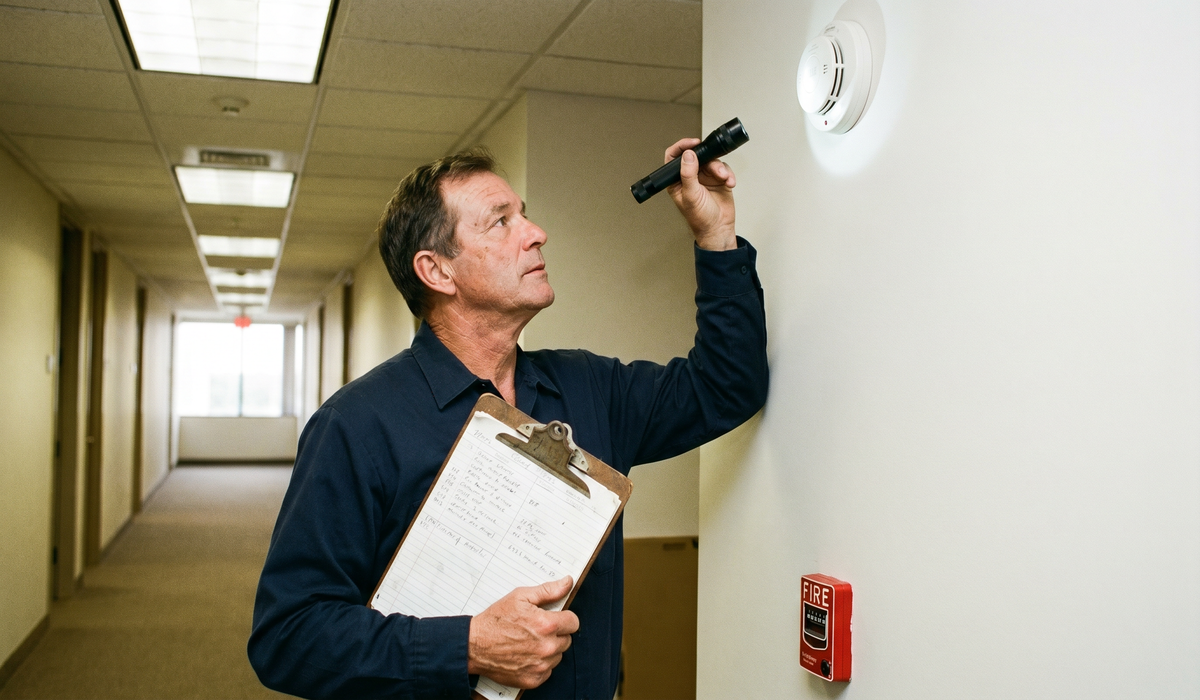
Is your Fire Safety System working for you or against you?
If you manage or own a commercial property in Southern California, fire safety isn’t just a line item — it’s a compliance responsibility, an insurance requirement, and a life-saving system.
Most property owners understand they must follow NFPA 25 — the national standard for inspecting, testing, and maintaining water-based fire protection systems like sprinklers and fire pumps.
But here’s the better question:
Is your building’s fire safety smart enough to prevent failures before they happen?
With new fire risks, seismic activity, and increasing scrutiny from local authorities, Southern California properties need to move beyond traditional fire safety inspections — and into data-driven fire protection.
The Problem with Traditional Inspections
Traditional inspection model:
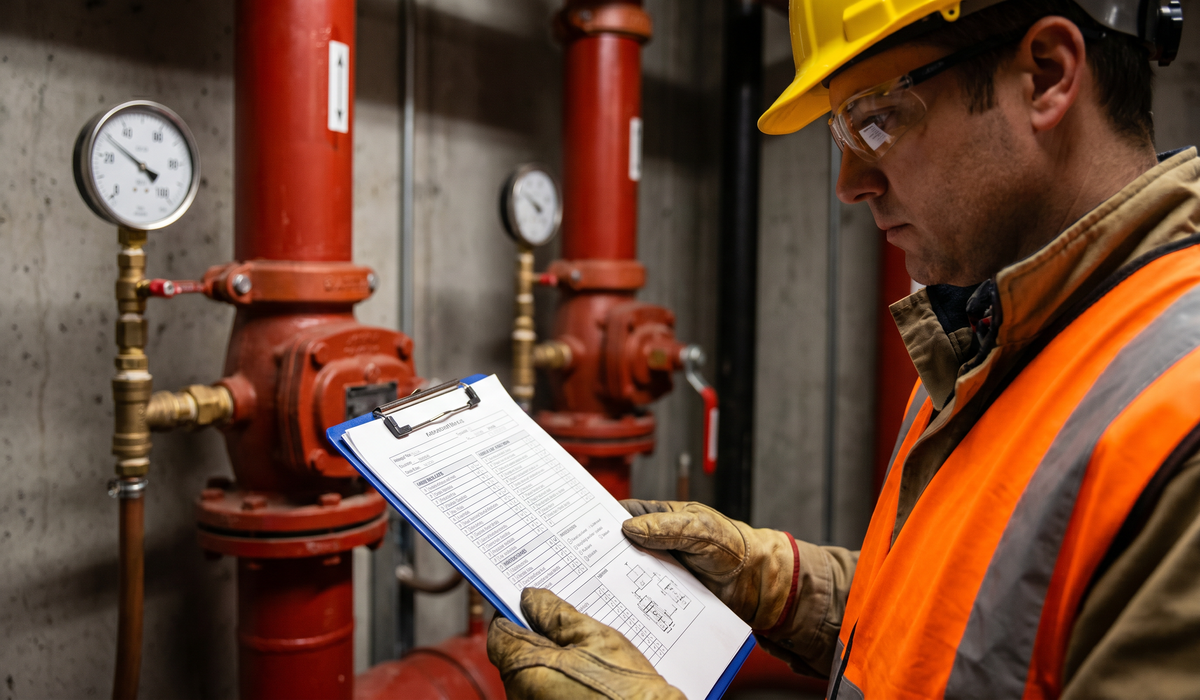
- Manual walk-throughs every 3–12 months
- Visual checks and reports on paper
- Issues only caught when they become visible or costly
This can lead to:
- Unexpected fire system failures
- Emergency repairs at premium costs
- Failed inspections by AHJs (Authorities Having Jurisdiction)
- Denied insurance claims due to poor
fire system documentation
These are all risks you can’t afford in fire-prone areas like Los Angeles, Orange County, or San Diego.
The Smart Solution: Data-Driven ITM
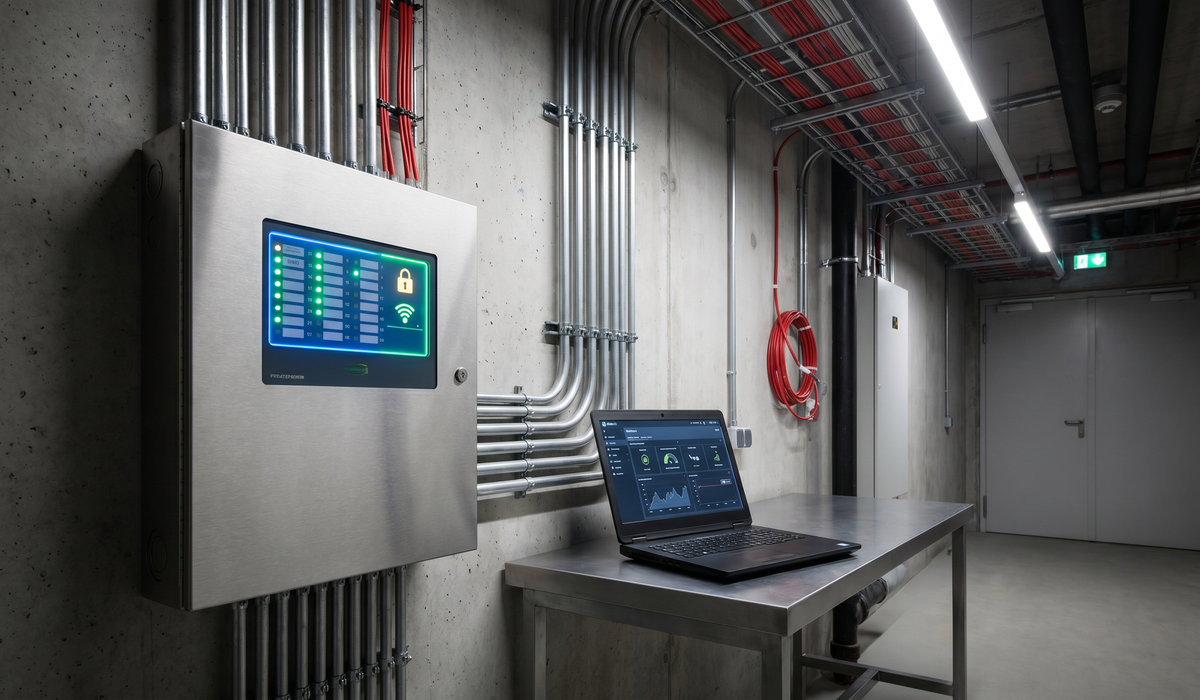
Data-driven ITM (Inspection, Testing, and Maintenance) is a modern approach to fire system monitoring that tracks your system’s health 24/7. These smart fire protection systems use technology to turn routine inspections into continuous safety, offering faster alerts and greater reliability.
How it works:
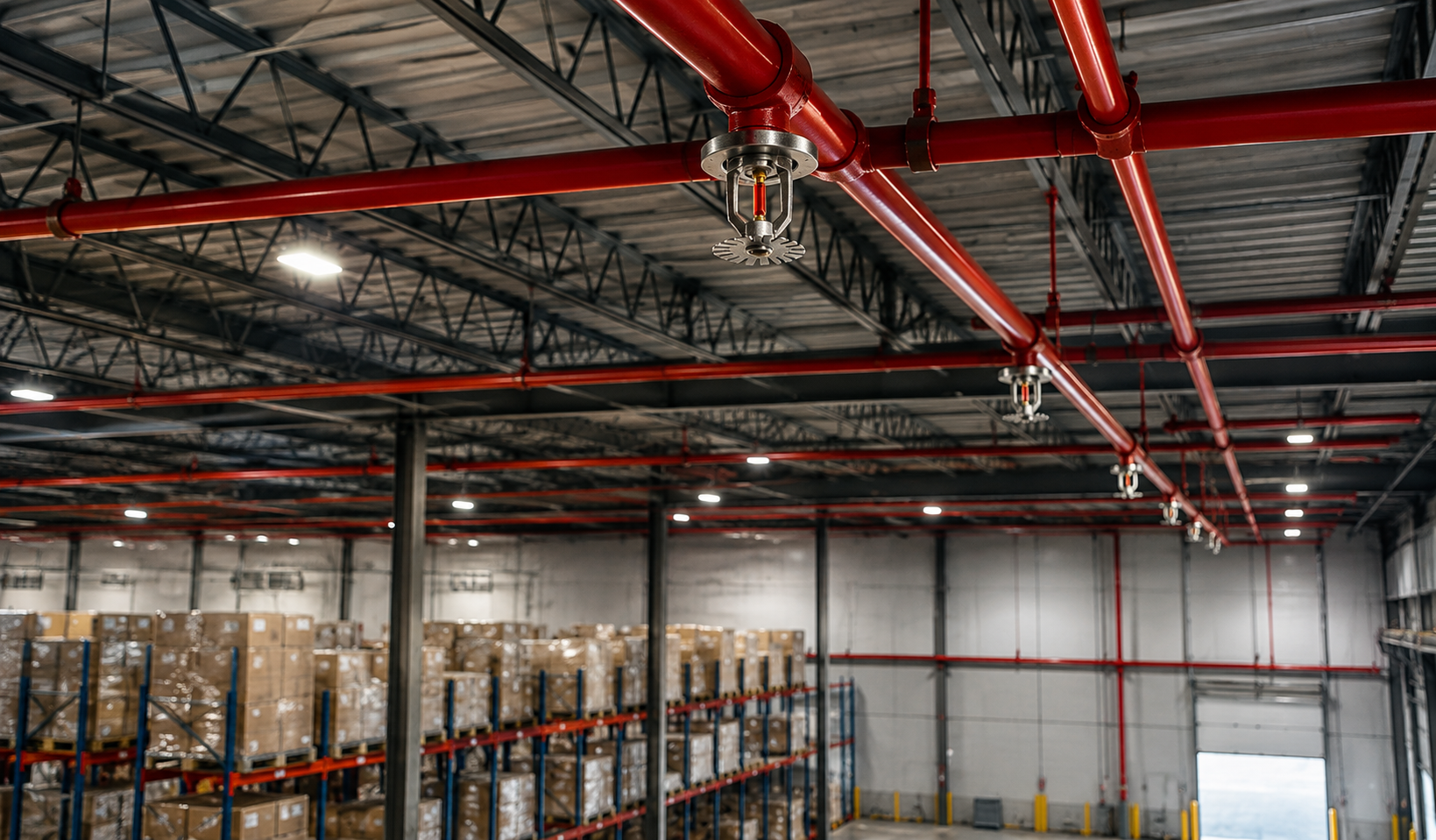
- Smart sensors are installed on fire sprinklers, valves, and pressure gauges
- They monitor flow, pressure, valve position, and other data in real time
- Data is sent to a secure digital dashboard (online or mobile access)
- The system flags problems
before they happen
Example:
A slow drop in water pressure? The system notifies you before it turns into a costly failure.
Key Benefits for Southern California Properties
1. Always-On Fire Alarm Monitoring
- 24/7 alert tracking
- No waiting between manual checks
- Supports California Fire Code Title 19
2. Lower Emergency Repair Costs
- Stop small issues early
- Reduce downtime and unplanned service calls
- Increase lifespan of your fire protection system
3. Stronger NFPA 25 Compliance
- Digital logs and documentation
- Audit-ready reports
- Meets both national and California-adopted NFPA 25 standards
4. Streamlined Sprinkler System Testing
- Flow and pressure tested by sensors
- Minimal system disruption
- Supports sprinkler system testing Southern California properties require, helping property managers meet local code and inspection schedules with ease.
- Enables
predictive fire safety by identifying system issues early and ensures
digital fire compliance through accurate, time-stamped inspection records.
5. Audit & Insurance-Ready Documentation
- Records are time-stamped, accurate, and cloud-accessible
- Helps prove diligence to inspectors and insurers
- Supports insurance claims and reduces risk of denial
6. Peace of Mind for Stakeholders
- Property managers know the system is being monitored
- Tenants feel safer
- Building liability is reduced
Why California Has Stricter Fire Testing Needs
Staying ahead of evolving regulations is critical for maintaining fire compliance Southern California jurisdictions require, especially with Title 19 and local AHJ enforcement.
Here’s what makes it different:
- Retain inspection records for 5 years after next ITM event
- Only licensed contractors (AES or C-16) may perform inspections
- Seismic bracing and concealed piping require periodic inspection
- Fire departments enforce Title 19 in addition to NFPA 25
- Many local authorities use digital verification tools during audits
If you’re not actively monitoring, documenting, and preparing — you may already be behind.
How Fire Testing Solutions Can Help
We help you go from reactive to proactive.
We provide fire testing solutions in California designed for commercial properties, high-rises, and compliance-critical facilities. We help you go from reactive to proactive.
Here’s how:
- Install and monitor smart ITM systems
- Scheduled sprinkler system testing
- Detailed fire alarm inspections
- Generate Title 19 + NFPA 25-compliant digital reports
- Prepare you for AHJ visits and insurance reviews
- Serve all of Southern California: Los Angeles, Orange County, Inland Empire & beyond
Ready to Upgrade Your Fire Testing Approach?
Fire safety doesn’t have to be reactive.
Let your building work smarter — with smart sensors, real-time monitoring, and a local compliance team that gets it right.